






Base to The hut group
Migrating your store from Base to The hut group might seem daunting, but with proper planning and the right tools, it's a smooth process. Follow this step-by-step guide to ensure a successful transition.
Schedule a call
BASE to The Hut Group Migration Guide
Step 1: Preparing for Migration
In this initial step, we focus on assessing both the BASE and The Hut Group platforms to create a cohesive migration plan. Understanding both systems' strengths and weaknesses is crucial for smooth data transfer and functionality.
Step 2: Data Backup and Security Checks
Before migration, backing up existing data is paramount to prevent data loss. This step outlines how we ensure data integrity and security during the migration process.
Step 3: Data Migration Planning
With backups in place, we can now outline the data migration plan, detailing the specifics of how data will be transferred to The Hut Group's platform.
Step 4: Execution of Data Migration
With a solid plan in place, we can execute the migration process. This step describes the technical execution of transferring data to The Hut Group's platform.
Step 5: Functional Testing
After data migration, functional testing is essential to ensure that all features and functionalities work as intended on The Hut Group's platform.
Step 6: Launching The Hut Group Platform
With testing complete and the platform ready, we will proceed with the official launch of The Hut Group. This step outlines the launch process and necessary communications.
Step 7: Post-Migration Support and Optimization
After the launch, ongoing support and optimization are vital to ensure the platform continues to meet user needs and business goals.
Power Your Step - Get in Touch
Are you ready to take the next step in your ecommerce journey? Contact PowerCommerce today for expert migration support and solutions tailored to your needs.
Step 1: Preparing for Migration
Before we commence the migration from BASE to The Hut Group, it is essential to prepare thoroughly. This preparation includes a detailed analysis of both platforms to identify their functionalities, limitations, and unique features. We will begin by reviewing the following:
- Platform Capabilities: Assess the features offered by both BASE and The Hut Group, such as payment gateways, shipping options, and customization capabilities.
- Data Structure: Analyze the data models in BASE to understand how product information, customer data, and order history are structured.
- Integration Possibilities: Evaluate existing integrations in BASE and how they can be replicated or improved in The Hut Group.
This comprehensive assessment will help us tailor a migration strategy that minimizes disruption and maximizes efficiency. We will create a checklist of essential features and data points to ensure nothing is overlooked during the transition.
It is also important to engage all stakeholders during this phase. By involving key team members from IT, marketing, and operations, we can gather insights that will inform our migration plan. Regular meetings should be scheduled to discuss findings and strategize next steps.
Step 2: Data Backup and Security Checks
The second step in our migration process involves securing existing data through comprehensive backups. This is a critical phase as it safeguards against potential data loss while transferring information from BASE to The Hut Group.
We will initiate the backup process by performing the following actions:
- Identify Data to Backup: Catalog all essential data types, including customer databases, product catalogs, order histories, and configuration settings.
- Choose Backup Solutions: Utilize reliable backup tools that can create full snapshots of the existing database and file system. This could include cloud solutions or local storage options.
- Schedule Backup Timing: Conduct backups during low-traffic periods to minimize impact on users and ensure all data is captured without interference.
Post-backup, we will conduct security checks to ensure data integrity. This involves:
- Verifying Backup Completeness: Check that all data has been backed up without errors.
- Implementing Encryption: Ensure that sensitive data, such as customer information, is encrypted during transfers.
- Establishing Access Controls: Limit access to backup files to authorized personnel only, maintaining confidentiality.
This meticulous approach to data backup and security verification ensures that we are prepared for the migration while protecting vital business information.

Step 3: Data Migration Planning
In this step, we will develop a comprehensive data migration plan that outlines the exact process for transferring data from BASE to The Hut Group. This plan will be critical to ensuring a smooth transition with minimal downtime.
Key components of the data migration plan include:
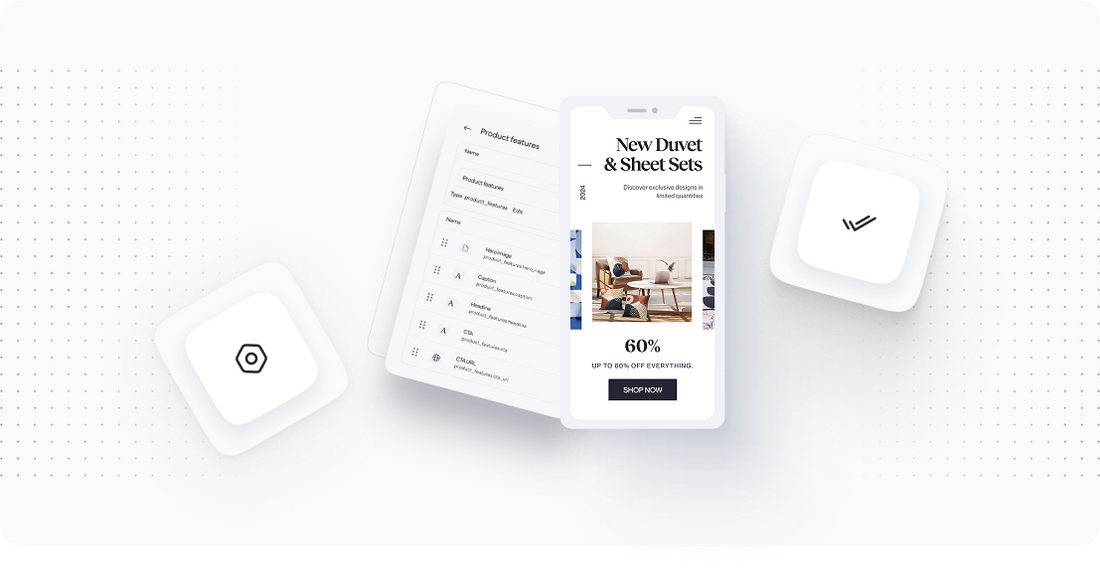
- Mapping Data Fields: Create a mapping document that correlates data fields from BASE to their respective fields in The Hut Group. This will ensure that no data is misplaced.
- Choosing Migration Tools: Select appropriate data migration tools or scripts that can facilitate the transfer of data efficiently. Consider using ETL (Extract, Transform, Load) tools that can automate much of the process.
- Performing Test Migrations: Conduct a test migration with a small subset of data to identify any potential issues before the full-scale migration.
During this phase, we should also establish a rollback strategy. In the event of any complications during the migration, it's paramount to have a plan to revert to the previous state without data loss.
Additionally, we will communicate with stakeholders about the planned migration timeline and expected downtime to manage expectations.
Step 4: Execution of Data Migration
Now that we have thoroughly prepared and planned, we move on to executing the data migration. This step is where we will transfer the actual data from BASE to The Hut Group.
The execution process will involve the following steps:
- Initiating Data Transfer: Using the selected migration tools, we will begin the full-scale data transfer as per our mapping document. This involves extracting data from BASE and loading it into The Hut Group.
- Monitoring Migration Progress: Throughout the migration process, it is crucial to monitor the data flow for any errors or discrepancies. Utilize logging features to track the data transfer.
- Validation Checks: Once the migration is complete, run validation checks to ensure that all data has been transferred accurately and completely. This includes verifying counts, checking for missing records, and cross-referencing data between the two platforms.
Post-migration, we will conduct a thorough data integrity audit to confirm that all information is intact and functional within The Hut Group’s platform. This includes testing critical functionalities such as user logins, product displays, and order processing.
After confirming that the migration is successful, we will document any issues encountered during the process and the solutions applied. This documentation will be invaluable for future migrations or platform updates.
Step 5: Functional Testing
Following the successful execution of the data migration, the next step involves rigorous functional testing of The Hut Group's platform. This testing is crucial to confirm that all functionalities work correctly after the migration.
Our functional testing will consist of the following activities:
- User Acceptance Testing (UAT): Engage key stakeholders and users to test the platform's functionalities based on real-world scenarios. This helps identify any usability issues or bugs that may have arisen during migration.
- Performance Testing: Conduct performance tests to evaluate how the platform handles expected traffic loads and transactions. This includes stress testing, load testing, and response time evaluations.
- Security Testing: Perform security assessments to ensure that the platform is secure and compliant with industry standards. This includes penetration testing and vulnerability assessments.
Any issues discovered during functional testing will be documented and prioritized for resolution. This is an iterative process, and we may need to conduct additional rounds of testing based on the feedback received.
Once testing is complete and all issues have been resolved, we will prepare for the final launch of the platform.
Step 6: Launching The Hut Group Platform
At this stage, we are ready to launch The Hut Group platform officially. This launch will be a significant milestone for our business, and we want to ensure it is executed flawlessly.
The launch process will include the following steps:
- Final Preparations: Confirm that all systems are functioning as expected, and ensure that all data has been validated post-migration. Double-check integration points and third-party services.
- Communication Plan: Prepare a communication strategy to announce the launch to all stakeholders, including customers, employees, and partners. This should include details about the new features and any changes to user experience.
- Go-Live Execution: Execute the go-live plan. This may involve a phased rollout to ensure stability, or a full launch depending on the company's strategy.
During the launch, it is crucial to have the support team on standby to assist with any immediate issues or inquiries that may arise as users begin interacting with the new platform.
Post-launch, we will closely monitor the platform's performance and user interactions to ensure everything operates smoothly.
Step 7: Post-Migration Support and Optimization
Once The Hut Group platform is live, it is essential to focus on post-migration support and optimization. This ensures that any issues are promptly addressed and that the platform evolves to meet user needs.
The key components of post-migration support include:
- Continuous Monitoring: Implement monitoring tools to track platform performance, user behavior, and system health. Regularly review analytics to identify areas for improvement.
- User Feedback Collection: Actively seek user feedback to understand their experiences and identify pain points. This can be done through surveys, interviews, and direct communication.
- Regular Updates and Enhancements: Plan for ongoing updates to address any bugs, introduce new features, and enhance existing functionalities based on user feedback and market trends.
Additionally, we will provide comprehensive training and support resources for users to ensure they can fully leverage the capabilities of The Hut Group platform. This includes creating user guides, FAQs, and a dedicated support helpdesk.
Power Your Step - Get in Touch
Ready to migrate your ecommerce platform? Let us help you make the transition as seamless as possible!
At PowerCommerce, we specialize in providing expert migration support for ecommerce brands looking to transition to The Hut Group. Our team is committed to ensuring your migration is smooth, efficient, and successful.
To get started, follow these steps:
- Fill out our contact form to schedule a consultation.
- Call us at 800-099-9090 to speak directly with one of our migration experts.
- Email us at [email protected] with your inquiries or to request additional information.
Don't wait any longer--let's power your ecommerce journey together!

Unlock dedicated support to shape an incredible future with solutions crafted for scale and innovation.
Let's WorkStay aligned on what's happening in the commerce world


Trusted by 1000+ innovative companies worldwide
Schedule Your Migration Today
For businesses prioritizing simplicity, scalability, and robust support, Shopify is the clear winner.
Looking to migrate without hassle? Power Commerce can handle the entire process, ensuring smooth data transfer, store setup, and post-launch success.
Marka Marulića 2, Sarajevo, 71000 BiH
[email protected]