






Craft commerce to Futureshop
Migrating your store from Craft commerce to Futureshop might seem daunting, but with proper planning and the right tools, it's a smooth process. Follow this step-by-step guide to ensure a successful transition.
Schedule a call
Step-by-Step Migration Guide: Craft Commerce to FutureShop Migration Guide
Step 1: Project Planning and Preparation
In this initial step, we focus on thorough planning to ensure a smooth migration from Craft Commerce to FutureShop. This involves defining the scope, timeline, and identifying key resources needed for the migration process.
Step 2: Data Backup and Audit
This step emphasizes the importance of backing up existing data from Craft Commerce and conducting a thorough audit to ensure completeness and accuracy before migration.
Step 3: Data Mapping and Migration Strategy
Here we detail the process of mapping data fields between Craft Commerce and FutureShop, which is critical for ensuring a successful data migration.
Step 4: Executing Data Migration
In this step, we focus on executing the actual data migration from Craft Commerce to FutureShop, ensuring all data is accurately transferred according to the established mapping.
Step 5: Testing and Quality Assurance
This step emphasizes the significance of testing the migrated data and functionalities in FutureShop to ensure that everything operates smoothly and as expected.
Step 6: Launch Preparation
In this crucial step, we prepare to launch the FutureShop store by setting up final configurations and ensuring everything is optimized for customer experience.
Step 7: Post-Launch Monitoring and Optimization
Following the successful launch, we monitor the FutureShop store's performance and user experience to optimize operations and address any emerging issues.
Power Your Step - Get in Touch
Contact PowerCommerce today to leverage our expert migration support for your ecommerce needs and ensure a seamless transition.
Step 1: Project Planning and Preparation
Before diving into the technical details of the migration, it's crucial to lay a solid foundation through careful project planning and preparation. This step is essential as it sets the direction for the entire migration process, ensuring we address all necessary components and avoid potential pitfalls. We will outline objectives, timelines, resources, and a project team to guide the migration.
Identifying the scope of the migration is the first critical task. This involves determining what data, functionalities, and integrations are necessary to transfer from Craft Commerce to FutureShop. Key considerations include:
- Data Types: Identify all categories of data that need to be migrated, such as product information, customer accounts, order histories, and content pages.
- Functional Requirements: Document the essential functionalities that the new FutureShop site must support, such as payment gateways, shipping methods, and user roles.
- Timeline: Develop a realistic timeline that outlines each phase of the migration process, including preparation, data transfer, testing, and launch.
- Resources: Assemble a dedicated migration team, including technical experts familiar with both Craft Commerce and FutureShop, to ensure effective collaboration throughout the process.
Throughout this planning phase, it is also beneficial to engage stakeholders from various departments (like marketing, customer service, and IT) to gather insights on specific needs and expectations. Additionally, we recommend documenting all decisions and plans in a centralized project management tool for easy reference.
Step 2: Data Backup and Audit
Data integrity is paramount when migrating from Craft Commerce to FutureShop. To minimize risks, we begin this step with a comprehensive data backup and audit process. This ensures that all existing data is securely stored and that any discrepancies are identified before proceeding.
The first action is to create a complete backup of your Craft Commerce data, including:
- Database Backup: Use tools like phpMyAdmin or command-line utilities to export your database, ensuring all tables related to products, orders, and customer information are included.
- Media Files: Download all media assets (images, videos, documents) from the Craft Commerce file structure to ensure they are preserved during the migration.
- Configuration Files: Save any custom configuration files that may need to be referenced or replicated in FutureShop.
After a successful backup, auditing the data is essential. This involves comparing the current data with expected outputs in FutureShop:
- Data Validation: Check for completeness in your Craft Commerce data, ensuring all necessary fields are populated, and there are no missing records.
- Data Cleanup: Identify and correct any inconsistencies, duplicates, or outdated entries to enhance the quality of the data being migrated.
Once the backup and audit are complete, we can confidently move forward to the actual migration process, knowing that we have a secure fallback and clean data.
Step 3: Data Mapping and Migration Strategy
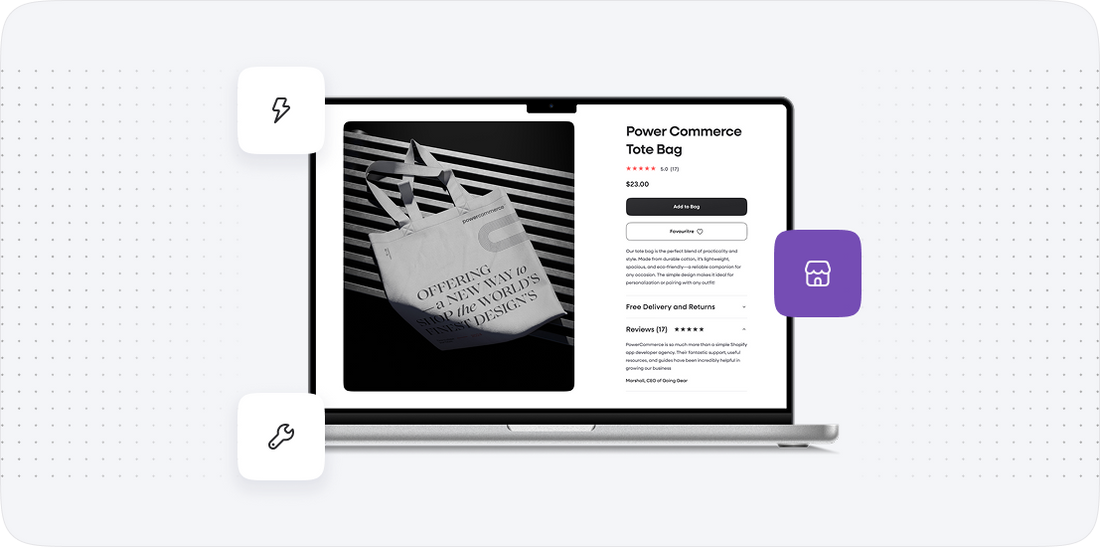
With a solid backup in place, we can now focus on data mapping and developing a migration strategy. This critical step ensures that all data from Craft Commerce is accurately aligned with FutureShop's data structure, facilitating a smooth transition of information.
Data mapping involves identifying how each field in Craft Commerce corresponds to fields in FutureShop. We will create a detailed mapping document that includes:
- Product Data: Match fields such as product name, description, price, SKU, and categories from Craft Commerce to FutureShop.
- Customer Data: Ensure mappings for customer names, email addresses, addresses, and order histories are correctly aligned.
- Order Data: Identify how order statuses, payment methods, and shipping information will transfer over.
Once the mapping is complete, we will choose a migration strategy:
- Manual Migration: Suitable for smaller databases; involves manually transferring data using CSV files.
- Automated Migration: For larger datasets, we can utilize migration tools or scripts to automate data transfer, ensuring efficiency and reducing errors.
- Third-Party Migration Services: Consider engaging services like Cart2Cart or LitExtension that specialize in ecommerce migrations if your migration needs are complex.
By meticulously planning the data mapping and migration strategy, we set ourselves up for success, reducing the risk of data loss or corruption during the transfer.
Step 4: Executing Data Migration
After careful planning and preparation, we can now execute the data migration from Craft Commerce to FutureShop. This step is crucial, as it involves the actual transfer of data, and we must ensure every detail is correctly handled to avoid discrepancies.
We will proceed with the migration based on our previously defined strategy:
- If using Manual Migration: Prepare your CSV files according to the mapped structure and upload them to FutureShop using their import tools.
- If using Automated Migration: Employ the selected migration tool or script to initiate the data transfer. Ensure you follow the tool's guidelines for setup and execution.
During the migration process, it is essential to:
- Monitor Progress: Keep an eye on the migration process for any errors or warnings. Most tools provide logs that indicate the status of data imports.
- Validate Data: After the migration, perform checks to confirm that the data in FutureShop matches what was in Craft Commerce. Verify critical data points such as product availability, customer accounts, and order histories.
Once we have confirmed the successful migration of all data, we can proceed to the next phase involving testing and adjustments, ensuring that the migrated data functions as intended in the FutureShop environment.
Step 5: Testing and Quality Assurance
With the data migration completed, it is critical to undergo a thorough testing and quality assurance phase. This step guarantees that all migrated data is functional and accurately reflects the original Craft Commerce setup.
We will initiate our testing process by performing the following checks:
- Data Integrity Checks: Verify that all data has been correctly migrated. This includes checking product details, customer information, and order histories against the original Craft Commerce data.
- Functionality Testing: Test all functionalities such as product search, filtering, cart operations, and checkout processes to ensure they work seamlessly.
- Payment Gateway Integration: Confirm that payment gateways are functioning correctly and securely by conducting test transactions.
- Shipping Settings Validation: Ensure that shipping options, rates, and geographic settings are configured correctly and display as expected during the checkout process.
Any issues identified during testing should be documented and addressed promptly. This may involve adjustments to data configurations, fixing broken links, or updating settings in FutureShop to better align with business needs.
Once all tests have been passed and the system operates as expected, we can prepare for the final launch of the FutureShop store, ensuring that everything is polished and ready for customers.
Step 6: Launch Preparation
As we approach the launch of the FutureShop store, it's vital to undertake comprehensive preparations to ensure a successful transition for both the business and its customers. This step focuses on final configurations, marketing strategies, and system optimizations.
Key actions in this phase include:
- Final Configuration Checks: Review all settings in FutureShop, including tax rates, payment options, and shipping methods, ensuring they are correctly configured for the launch.
- SEO Optimization: Implement SEO best practices by ensuring that URLs, meta tags, and descriptions are optimized for search engines. Utilize tools within FutureShop to enhance visibility and drive traffic to your new store.
- Marketing Strategy Development: Plan your marketing approach for the launch, including email campaigns, social media announcements, and promotions to generate interest and attract customers.
- Customer Communication: Inform existing customers about the migration, including any changes to their accounts, new features, or promotions available at launch.
Prior to going live, it's advisable to conduct a final walkthrough of the site, checking for any last-minute issues or adjustments that may need addressing. Ensuring that everything is ready from a technical and marketing perspective will pave the way for a successful launch.
Step 7: Post-Launch Monitoring and Optimization
After launching the FutureShop store, the focus shifts to post-launch monitoring and optimization. This step is crucial as it allows us to identify any issues that arise and continuously improve the customer experience.
The monitoring process should include:
- Performance Analytics: Utilize FutureShop's built-in analytics tools to track site performance, including page load times, bounce rates, and conversion rates. Identify areas that may require optimization.
- User Feedback Collection: Encourage customers to provide feedback on their shopping experiences. This can be done through surveys or direct communication, offering insights into potential areas for improvement.
- Ongoing SEO Efforts: Continue to refine SEO strategies based on performance data. Adjust keywords, content, and meta descriptions to improve search rankings and drive organic traffic.
- Regular Updates: Keep the site updated with new products, promotions, and content to maintain customer engagement and interest.
By actively monitoring the FutureShop store and implementing continuous improvements, we can ensure that it remains competitive and aligned with evolving customer needs.
Power Your Step - Get in Touch
Ready to take the next step in your ecommerce journey? Partner with PowerCommerce to harness our expertise in migrating from Craft Commerce to FutureShop. Our dedicated team is here to guide you through every phase of the migration process, ensuring a seamless transition with minimal downtime.
We pride ourselves on our commitment to innovation, scalability, and customer success. By choosing PowerCommerce, you get access to:
- Expert Guidance: Our experienced professionals will assist you with tailored solutions that fit your unique business needs.
- Comprehensive Support: Enjoy 24/7 support and a wealth of resources to ensure your migration is smooth and efficient.
- Risk-Free Consultation: We offer flexible pricing and consultation options to accommodate your budget while maximizing value.
Don’t wait! Reach out to us today:
- Visit our contact page: Contact PowerCommerce
- Call us at: 800-099-9090
- Email us at: [email protected]
Let PowerCommerce empower your ecommerce growth with our specialized migration services!

Unlock dedicated support to shape an incredible future with solutions crafted for scale and innovation.
Let's WorkStay aligned on what's happening in the commerce world


Trusted by 1000+ innovative companies worldwide
Schedule Your Migration Today
For businesses prioritizing simplicity, scalability, and robust support, Shopify is the clear winner.
Looking to migrate without hassle? Power Commerce can handle the entire process, ensuring smooth data transfer, store setup, and post-launch success.
Marka Marulića 2, Sarajevo, 71000 BiH
[email protected]