






Live search by okas concepts to Jtl-shop
Migrating your store from Live search by okas concepts to Jtl-shop might seem daunting, but with proper planning and the right tools, it's a smooth process. Follow this step-by-step guide to ensure a successful transition.
Schedule a call
Step-by-Step Migration Guide: Live Search by Okas Concepts to JTL-Shop migration guide
Step 1: Pre-Migration Assessment
In this initial step, we conduct a thorough assessment of your existing Live Search setup to identify data, configurations, and customizations that need to be migrated to JTL-Shop.
Step 2: Data Backup
Creating a secure backup of your entire Live Search setup is essential to safeguard against data loss during the migration process.
Step 3: Setting Up JTL-Shop
This step involves configuring JTL-Shop to prepare for data import, including setting up essential features and integrations that match your business needs.
Step 4: Data Migration
This crucial step involves the actual migration of data from Live Search to JTL-Shop, ensuring all essential information is accurately transferred.
Step 5: Feature Configuration and Customization
Post-migration, we will configure and customize JTL-Shop features to enhance user experience and align with your brand identity.
Step 6: Quality Assurance Testing
Conducting thorough quality assurance testing ensures that all aspects of the JTL-Shop platform function correctly before going live.
Step 7: Launching JTL-Shop
The final step involves launching the JTL-Shop platform, ensuring everything is in place for a smooth transition to your new ecommerce site.
Power Your Step - Get in Touch
Contact us today to leverage our expert migration support and ensure a successful transition to JTL-Shop.
Step 1: Pre-Migration Assessment
Before commencing the migration from Live Search by Okas Concepts to JTL-Shop, we must perform a comprehensive pre-migration assessment. This step is crucial as it informs us of the scope of the migration, ensuring that we capture all necessary data and configurations that will be transferred to the new platform.
The primary objective of this assessment is to create a detailed inventory of your current setup, including product catalogs, customer data, order histories, and any custom integrations or plugins that are in use. Understanding these elements helps us plan for a seamless transition and avoid potential pitfalls during the migration process.
To execute this assessment effectively, we will follow these detailed procedures:
- Data Inventory: Create a complete list of all products, including SKUs, descriptions, prices, images, and categories. This can be achieved by exporting your product data from Live Search.
- Customer Data Review: Assess the customer database to ensure that all user accounts, order histories, and loyalty points are accounted for. This is critical for maintaining customer relationships post-migration.
- Customization Audit: Document any custom features or configurations currently in use within Live Search. This includes search algorithms, filters, and any API integrations that need to be replicated in JTL-Shop.
- Compatibility Check: Evaluate the compatibility of existing data formats with JTL-Shop. We will identify any necessary data transformations required to fit JTL-Shop's data schema.
This step ensures that we have a clear roadmap for the migration and highlights any potential challenges that need addressing before proceeding. Best practices during this phase include engaging with stakeholders to validate data requirements and ensuring that backups of all data are securely stored.
Step 2: Data Backup
Data backup serves as a crucial safeguard against potential data loss or corruption during the migration from Live Search by Okas Concepts to JTL-Shop. This step not only preserves your data but also provides a fallback option should any issues arise during the migration.
The objective here is to ensure that a complete and secure backup of all relevant data is made before initiating the migration. This includes product data, customer data, order histories, and configuration settings. The backup process typically involves the following procedures:
- Export Data: Use the export functionality in Live Search to download all relevant data files. This should include:
- Product catalogs (CSV or XML format)
- Customer databases
- Order histories
- Any custom configuration files
- Secure Storage: Store these backups in a secure location, such as cloud storage or an external hard drive, to prevent unauthorized access and ensure data integrity.
- Verification: After backing up, verify the completeness and accuracy of the exported data by cross-checking against the original database. This can be done by comparing the export files with the live data.
It is a best practice to schedule this backup process during off-peak hours to minimize the impact on users. Additionally, ensure that all team members involved in the migration process are aware of the backup status and location to avoid confusion later.
Step 3: Setting Up JTL-Shop
Setting up JTL-Shop is a vital step in ensuring that your new ecommerce platform is ready to receive the migrated data from Live Search. This phase allows us to tailor the new environment to fit your specific business requirements and ensure a smooth transition.
The objective of this step is to configure the essential features and settings within JTL-Shop that align with your operational needs. This process typically involves the following key procedures:
- Initial Configuration: Begin by creating an account on JTL-Shop and setting up the basic store parameters, including:
- Store name and URL
- Currency settings
- Language options
- Theme Selection: Choose a theme that aligns with your brand identity. JTL-Shop offers a variety of customizable themes that can be modified to suit your aesthetic preferences.
- Payment and Shipping Methods: Configure payment gateways (such as PayPal, Stripe, etc.) and shipping options (like UPS, FedEx) that you plan to offer. This configuration is crucial for ensuring a seamless checkout experience for customers.
- Integration Setup: Set up necessary integrations, such as analytics tools, marketing automation platforms, and any plugins that will facilitate your business operations.
Best practices during this setup phase include consulting with JTL-Shop’s documentation for guidance on configurations and seeking support from their customer service if needed. Ensuring that all settings are correctly configured will streamline the migration process and enhance the overall customer experience once the site goes live.
Step 4: Data Migration
The data migration phase is perhaps the most critical aspect of transitioning from Live Search by Okas Concepts to JTL-Shop. This step involves transferring all relevant data, including products, customers, and order histories, to the new platform while ensuring data integrity and accuracy.
The primary objective during this step is to execute the migration process smoothly, minimizing downtime and ensuring that all data is correctly mapped to the corresponding fields in JTL-Shop. Here are the detailed procedures we will follow:
- Data Mapping: Before migrating, establish a clear mapping of fields from Live Search to JTL-Shop. This includes:
- Product names to product titles
- SKUs to product identifiers
- Categories to JTL-Shop categories
- Import Process: Utilize JTL-Shop’s import functionality to upload the exported data files. This typically involves:
- Uploading product data files (CSV or XML)
- Uploading customer data files
- Confirming successful upload of order histories
- Validation: After the import, conduct thorough checks to ensure that all data has been migrated correctly. This includes comparing the number of records in JTL-Shop against the original data in Live Search.
- Testing: Perform testing to validate that all functionalities are working as expected. This includes checking product display, customer account access, and order placements.
Best practices during the migration include conducting this step during low-traffic periods to minimize disruption and ensuring that backups are available at each stage in case of any issues. Engaging with a migration specialist can also help mitigate risks associated with data loss or corruption.
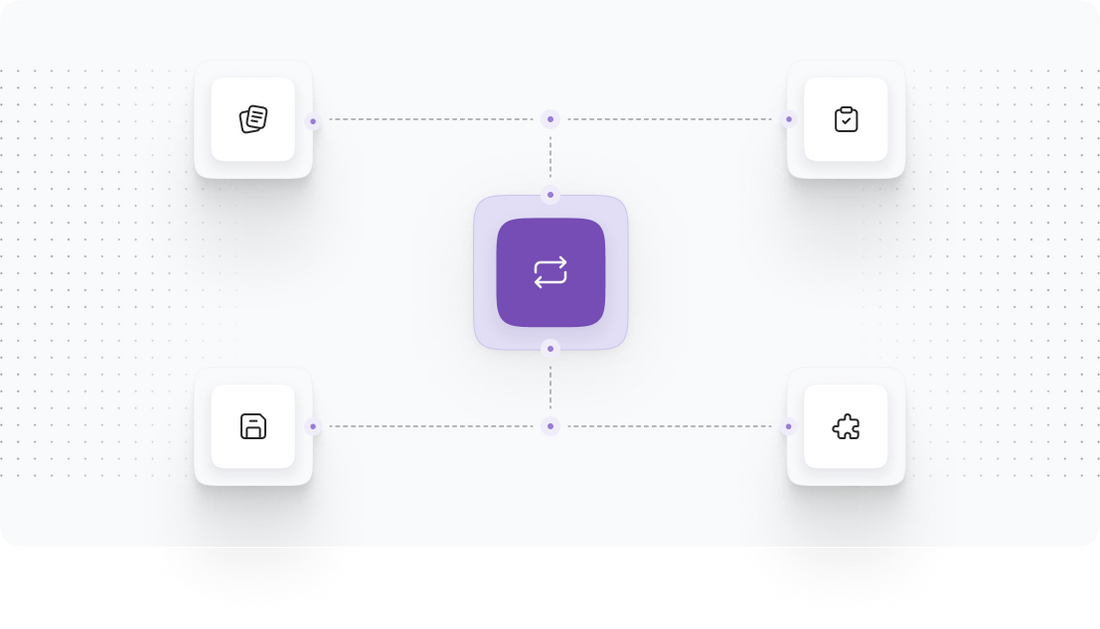
Step 5: Feature Configuration and Customization
Once the data migration is complete, the next step involves configuring and customizing the features in JTL-Shop to optimize the user experience and ensure that the platform aligns with your brand identity. This step is essential to harness the full potential of JTL-Shop's capabilities.
The objective here is to fine-tune various features and settings within JTL-Shop to create a seamless shopping experience for your customers. The following procedures will be undertaken:
- Customizing Storefront: Utilize JTL-Shop’s customization options to adjust the storefront’s appearance, including:
- Editing the homepage layout
- Customizing category and product pages
- Incorporating brand colors and logos
- Setting Up Promotions: Create and configure promotional campaigns, such as discounts or special offers, to attract customers. This includes:
- Defining discount rules
- Setting promotional banners
- Configuring SEO Settings: Optimize your JTL-Shop site for search engines by configuring SEO settings, including:
- Meta tags for each product and category
- URL structure
- Image alt texts
- Testing Functionality: Conduct tests to ensure that all features, including payment processing, inventory management, and customer notifications, are functioning as intended.
During this configuration phase, best practices include consulting with marketing teams to ensure that promotional strategies align with business objectives and leveraging JTL-Shop’s analytics tools to monitor user engagement. This step lays the foundation for a successful launch and ongoing operations.
Step 6: Quality Assurance Testing
Quality assurance (QA) testing is a critical step in the migration process, ensuring that the new JTL-Shop platform functions correctly and meets user expectations. This phase allows us to identify and resolve any issues before the site goes live.
The objective of the QA testing phase is to verify that all features and functionalities are working as intended, providing a seamless experience for users. Here’s how we will approach this step:
- Functional Testing: Verify that all functionalities, such as product search, filtering, and checkout processes, are operating without errors. This includes:
- Testing different payment methods
- Simulating order placements
- Checking user account functionalities
- Cross-Browser Testing: Ensure the site performs well across various web browsers (Chrome, Firefox, Safari, etc.) and devices (desktop and mobile) to guarantee accessibility for all users.
- Performance Testing: Assess the site’s loading speed and responsiveness under different traffic conditions. Tools like Google PageSpeed Insights can be utilized to evaluate performance metrics.
- Security Testing: Conduct security checks to ensure that customer data is protected. This includes testing SSL certificates, data encryption, and compliance with regulations like GDPR.
Best practices during QA testing involve documenting all findings and issues for resolution. It is advisable to involve a diverse group of testers to provide feedback from different user perspectives. Thorough testing ensures that we launch a reliable and effective ecommerce platform.
Step 7: Launching JTL-Shop
Launching the JTL-Shop platform is the culmination of the migration process, marking the transition from Live Search by Okas Concepts to your new ecommerce environment. This step is crucial as it involves making your new site live and accessible to users while ensuring a smooth transition.
The objective of this launch phase is to ensure that all systems are operational and that the transition is seamless for customers. Here’s how we will approach this step:
- Final Checks: Conduct a final review of all configurations, settings, and content to ensure everything is in place. This includes:
- Verifying payment gateways
- Confirming shipping settings
- Ensuring promotional materials are activated
- Go Live: Change the DNS settings to point to your new JTL-Shop site. This process may involve:
- Updating domain records
- Configuring any necessary SSL certificates for security
- Monitoring Performance: After the launch, closely monitor the site’s performance, including traffic, orders, and customer feedback. Utilize analytics tools to gain insights into user behavior.
- Post-Launch Support: Have a support team ready to assist with any issues that may arise immediately after launch. This ensures that any glitches are resolved quickly to maintain customer satisfaction.
Best practices during the launch phase include scheduling the launch during off-peak hours to minimize disruption and ensuring that all team members are prepared to address potential customer inquiries. A well-planned launch sets the stage for a successful operation moving forward.
Power Your Step - Get in Touch
At PowerCommerce, we understand that migrating from Live Search by Okas Concepts to JTL-Shop can be a complex process. That's why we are here to help you every step of the way. Our team of experienced professionals is dedicated to ensuring that your migration is seamless, efficient, and tailored to your unique business needs.
Why choose us? With over 15 years of industry expertise, we bring a wealth of knowledge and strategic partnerships to the table, empowering ambitious ecommerce brands like yours with cutting-edge solutions that drive growth and enhance performance.
Get in touch with us today! To start your migration journey or to learn more about our services, follow these steps:
- Visit our contact page: PowerCommerce Contact
- Call us at 800-099-9090
- Send us an email at [email protected]
We are committed to providing you with the support you need to ensure a successful migration. Don't wait--reach out now to power your ecommerce step forward!

Unlock dedicated support to shape an incredible future with solutions crafted for scale and innovation.
Let's WorkStay aligned on what's happening in the commerce world


Trusted by 1000+ innovative companies worldwide
Schedule Your Migration Today
For businesses prioritizing simplicity, scalability, and robust support, Shopify is the clear winner.
Looking to migrate without hassle? Power Commerce can handle the entire process, ensuring smooth data transfer, store setup, and post-launch success.
Marka Marulića 2, Sarajevo, 71000 BiH
[email protected]