






Sylius to Oracle commerce
Migrating your store from Sylius to Oracle commerce might seem daunting, but with proper planning and the right tools, it's a smooth process. Follow this step-by-step guide to ensure a successful transition.
Schedule a call
Step-by-Step Migration Guide: Sylius to Oracle Commerce Migration Guide
Step 1: Prepare Your Sylius Environment for Migration
In this initial step, we will prepare your Sylius environment by conducting a comprehensive assessment of your current setup, identifying data that needs to be migrated, and ensuring that your system is ready for the migration process.
Step 2: Establish a Migration Strategy
This step focuses on developing a detailed migration strategy that outlines the scope, timeline, and methodology for migrating from Sylius to Oracle Commerce.
Step 3: Data Mapping and Transformation
This step involves mapping the data structure from Sylius to Oracle Commerce, transforming data as needed to ensure compatibility with the new platform.
Step 4: Migrate Data from Sylius to Oracle Commerce
Now that preparations and mappings are complete, we will execute the migration process, transferring data from Sylius to Oracle Commerce using the developed scripts.
Step 5: Configuring Oracle Commerce for Your Needs
In this step, we will configure Oracle Commerce to match your business requirements, ensuring that all features and functionalities are tailored to your needs.
Step 6: Testing the New Setup
This step is dedicated to thoroughly testing the new Oracle Commerce setup, ensuring all functionalities are working correctly and that data integrity is maintained.
Step 7: Launching Your New Oracle Commerce Store
The final step involves launching your new Oracle Commerce store, making it accessible to customers, and ensuring a smooth transition.
Power Your Step - Get in Touch
Ready to take the next step in your eCommerce journey? Contact PowerCommerce for expert migration support tailored to your unique needs.
Step 1: Prepare Your Sylius Environment for Migration
Before initiating the migration from Sylius to Oracle Commerce, it is crucial to prepare your Sylius environment adequately. This preparation phase will help ensure that the subsequent migration process is smooth and efficient.
First, we need to conduct a thorough assessment of your current Sylius setup. This includes auditing your existing data, configurations, customizations, and integrations. Identifying the data that needs to be migrated is essential, which typically includes:
- Products and product variations
- Customer data
- Order history
- Inventory levels
- Any custom attributes or extensions
Next, ensure that your Sylius installation is up to date with the latest patches and updates. This reduces the risk of issues during the migration process. We recommend performing a backup of your database and files as a precautionary measure.
Furthermore, if you have any custom plugins or third-party services integrated with your Sylius application, document their functionality and check their compatibility with Oracle Commerce. This step is important for preserving the intended functionality after migration.
Finally, consider setting up a staging environment to test the migration process before executing it on your live environment. This will help in identifying potential issues without impacting your live store.
Step 2: Establish a Migration Strategy
With a prepared Sylius environment, we now need to establish a clear migration strategy. This strategy will guide the entire process and ensure that all necessary components are addressed. First, define the scope of the migration:
- Identify which data needs to be migrated.
- Determine any custom functionalities that need to be replicated on Oracle Commerce.
- Outline any specific business requirements or features unique to your operations.
Next, create a timeline for the migration, breaking down the process into manageable phases. Consider the following:
- How long will each phase take?
- What resources will be required (e.g., developers, testers)?
- What are the key milestones to achieve during the migration process?
It is also vital to choose a migration methodology. We recommend using a phased approach, where data is migrated in increments, allowing for testing and validation at each stage. This helps to ensure that any issues are identified and resolved quickly.
Lastly, communicate the migration strategy with all relevant stakeholders, including your development team, management, and any third-party vendors involved in the process. This ensures that everyone is aligned and aware of their responsibilities throughout the migration journey.
Step 3: Data Mapping and Transformation
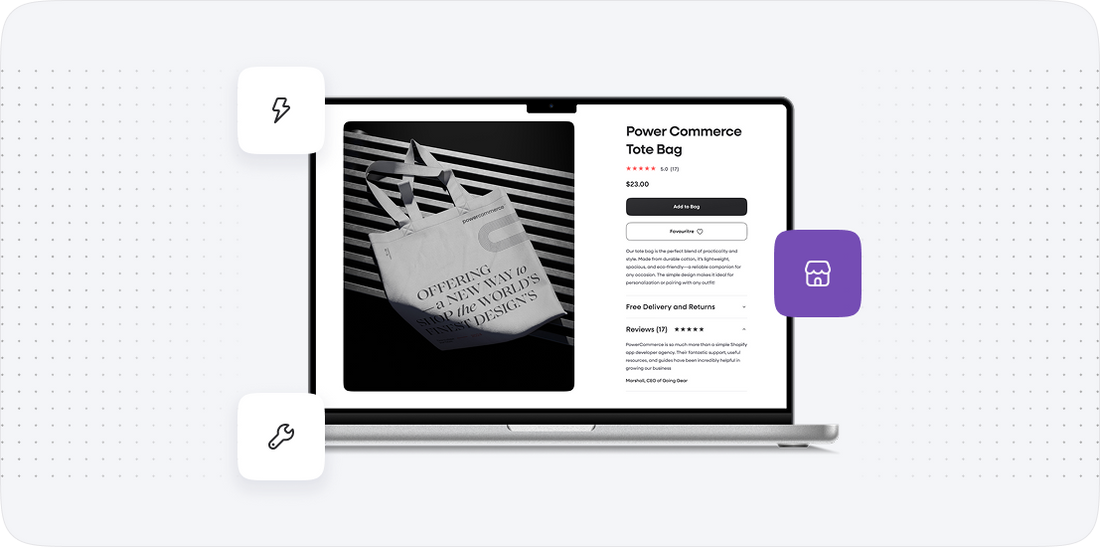
Data mapping is a critical step in the migration process. It involves taking the data structure from Sylius and mapping it to the corresponding structure in Oracle Commerce. This ensures that all data is accurately transferred and functions correctly in the new environment.
Start by creating a data mapping document that outlines:
- The fields in Sylius that correspond to fields in Oracle Commerce.
- The transformations needed for any data that may not directly align.
- Any additional data that may need to be created or adjusted during the migration process.
For example, product attributes in Sylius may need to be reformatted or renamed to align with Oracle Commerce's data structure. Additionally, ensure that the relationships between data entities (e.g., products to categories, orders to customers) are also mapped correctly.
After completing the mapping document, it is essential to test the data transformation process. This can be done by exporting a small sample of data from Sylius and attempting to import it into a test instance of Oracle Commerce. This testing phase allows you to identify any discrepancies or issues that may arise during the actual migration.
Once the data mapping is confirmed, finalize the transformation scripts that will automate the data migration process. These scripts should handle all necessary transformations to ensure that data is imported correctly into Oracle Commerce.
Step 4: Migrate Data from Sylius to Oracle Commerce
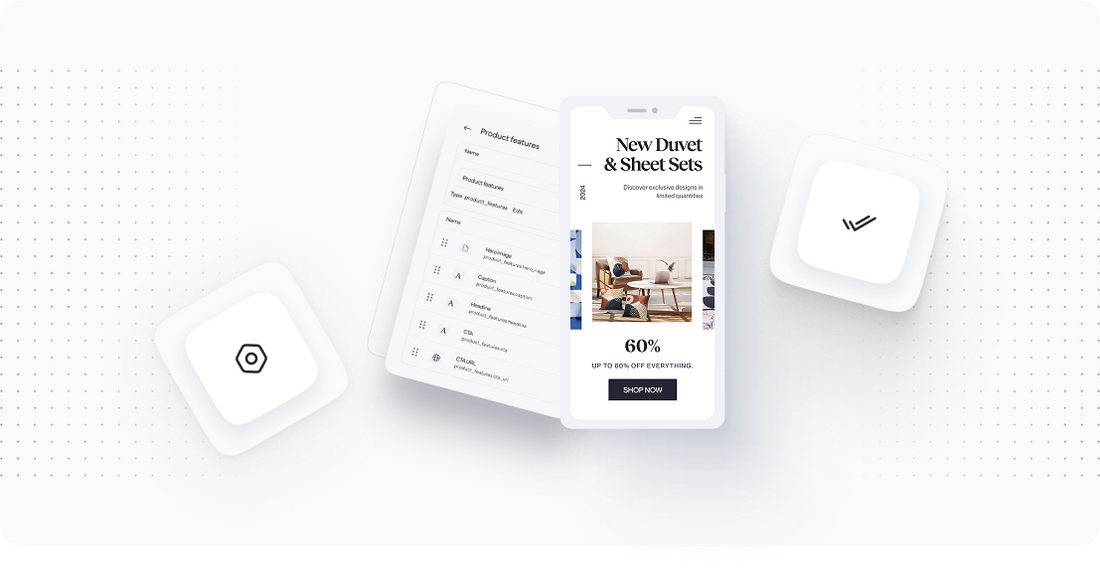
With the mapping and transformation scripts in place, we can now proceed to the actual data migration from Sylius to Oracle Commerce. Begin by setting up the Oracle Commerce environment if it hasn't been done already.
Once the environment is ready, execute the migration scripts for each data entity. It is advisable to follow the phased migration approach, starting with less complex data types such as product data before moving on to customers and orders.
During this phase, closely monitor the migration progress and log any errors or warnings that occur. This will help in quickly identifying and resolving any issues that may arise.
After the initial migration of data is completed, perform a thorough validation to ensure that:
- Data integrity is maintained (i.e., no data loss or corruption).
- All relationships between entities are correctly established.
- Data is functioning as expected in the Oracle Commerce environment.
It is also a good practice to conduct user acceptance testing (UAT) with key stakeholders to confirm that the migrated data meets the business requirements and expectations.
If any issues are identified during validation, address them before proceeding with the next phases of the migration. This will ensure a smooth transition and minimize complications later in the process.
Step 5: Configuring Oracle Commerce for Your Needs
After successfully migrating data, the next step is to configure Oracle Commerce to align with your business requirements. This involves setting up essential features, customizations, and integrations that are critical for your operations.
Begin by configuring the user roles and permissions within Oracle Commerce. Ensure that your team members have the appropriate access levels to perform their tasks efficiently. This includes:
- Defining user roles based on job responsibilities.
- Setting permissions for various functions such as product management, order processing, and reporting.
Next, customize the storefront to reflect your brand identity. This includes modifying themes, layouts, and product display settings. Utilize Oracle Commerce's design tools to create an engaging and user-friendly shopping experience.
Additionally, integrate any necessary third-party applications that you were using with Sylius, such as payment gateways, shipping solutions, and marketing tools. This will ensure continuity in operations and facilitate a seamless transition for your customers.
Finally, review and adjust the backend settings related to inventory management, customer notifications, and order fulfillment processes. This configuration phase is critical to ensure that all functionalities are optimized for your business needs and that your team is equipped to manage the new platform effectively.
Step 6: Testing the New Setup
With the configuration complete, it is vital to conduct comprehensive testing of the new Oracle Commerce setup. This testing phase should include functional testing, regression testing, and performance testing to ensure that everything operates as expected.
Start with functional testing, which verifies that all features and functionalities are working correctly. This includes checking:
- Product search and filtering capabilities.
- Shopping cart and checkout processes.
- Customer account functionalities.
- Payment processing and order confirmations.
Next, conduct regression testing to ensure that existing features have not been negatively impacted by the migration. This involves testing previously working functionalities to confirm their continued operation.
Performance testing is also essential, particularly to gauge how the new system handles traffic loads. Simulate peak traffic scenarios to monitor response times and overall system stability. This will help identify any performance bottlenecks that may need addressing.
Involve key stakeholders in user acceptance testing (UAT) to gather feedback on the new setup. Their insights can help identify any necessary adjustments before the final launch.
After thorough testing, document any issues identified and the corresponding resolutions to create a reference for future migrations or troubleshooting.
Step 7: Launching Your New Oracle Commerce Store
After all testing is complete and any identified issues have been resolved, it's time to launch your new Oracle Commerce store. This step requires careful planning to minimize disruption and ensure that your customers have a seamless experience.
Begin by selecting a launch date and time that aligns with your business operations, ideally during off-peak hours. Inform your customers in advance about the upcoming change, providing them with information about any new features or changes they can expect.
On the day of the launch, ensure that all systems are fully operational. Conduct a final check of the following:
- Website functionality and performance.
- Payment processing systems.
- Inventory levels are accurate and reflect real-time stock.
- Customer service channels are ready to handle any inquiries or issues.
Once everything is confirmed, switch over to the new Oracle Commerce store, making it live for customers to access. Monitor the site closely during the initial hours following the launch to address any immediate concerns.
Post-launch, continue to gather feedback from customers and stakeholders to identify areas for further improvement. This will help optimize the new platform and ensure it meets the evolving needs of your business.
Power Your Step - Get in Touch
Are you ready to migrate your eCommerce platform from Sylius to Oracle Commerce? At PowerCommerce, we are committed to providing expert support throughout your migration journey. Our team of specialists is equipped with over 15 years of industry experience, ensuring a smooth and efficient transition.
Contact us today to learn more about how we can assist you:
- Visit our contact page to fill out our inquiry form.
- Call us directly at 800-099-9090 for immediate assistance.
- Email us at [email protected] for any inquiries or to schedule a consultation.
Let PowerCommerce empower your eCommerce growth with our cutting-edge, scalable, and intuitive solutions. We look forward to helping you every step of the way!

Unlock dedicated support to shape an incredible future with solutions crafted for scale and innovation.
Let's WorkStay aligned on what's happening in the commerce world


Trusted by 1000+ innovative companies worldwide
Schedule Your Migration Today
For businesses prioritizing simplicity, scalability, and robust support, Shopify is the clear winner.
Looking to migrate without hassle? Power Commerce can handle the entire process, ensuring smooth data transfer, store setup, and post-launch success.
Marka Marulića 2, Sarajevo, 71000 BiH
[email protected]