






Base to Commercetools
Migrating your store from Base to Commercetools might seem daunting, but with proper planning and the right tools, it's a smooth process. Follow this step-by-step guide to ensure a successful transition.
Schedule a call
Step-by-Step Migration Guide: BASE to Commercetools migration guide
Step 1: Evaluate Your Current BASE Setup
In this initial step, we thoroughly assess your existing BASE setup to identify all components that need to be migrated to Commercetools. This evaluation establishes a solid foundation for a seamless migration process.
Step 2: Data Backup and Preparation
We prioritize data security by creating comprehensive backups of your existing ecommerce data on BASE. This step ensures that no information is lost during the migration process.
Step 3: Data Mapping and Structuring for Commercetools
We will perform a detailed mapping of your data from BASE to Commercetools, ensuring that all aspects of your ecommerce setup align with the new platform's requirements and capabilities.
Step 4: Setting Up Commercetools Environment
We will configure your Commercetools environment to ensure it is ready to receive the data migrated from BASE. This includes setting up necessary accounts, permissions, and configurations.
Step 5: Data Migration Execution
With the environment set, we will execute the data migration from BASE to Commercetools, ensuring all mapped data is accurately transferred and structured correctly.
Step 6: Post-Migration Validation and Testing
After the migration, we conduct thorough validation and testing of the migrated data in Commercetools to ensure everything functions as expected.
Step 7: Go Live and Monitor Performance
This final preparatory step involves going live with your new Commercetools setup and closely monitoring its performance to address any potential issues.
Power Your Step - Get in Touch
Ready to elevate your ecommerce journey? Contact PowerCommerce to leverage our expertise in seamless migrations to Commercetools.
Step 1: Evaluate Your Current BASE Setup
Objective: The primary goal of this step is to evaluate your current BASE ecommerce setup comprehensively. This includes understanding the structure of your product catalog, customer data, order history, and any existing integrations. A thorough evaluation allows us to identify what needs to be migrated, how it will be structured in Commercetools, and what adjustments might be necessary during the migration.
During this evaluation, we will focus on several critical areas:
- Product Catalog: Review all product listings, including variants, pricing, and inventory levels. It's essential to document the structure and attributes of your products to ensure they are replicated accurately in Commercetools.
- Customer Data: Analyze customer accounts, including contact details, order histories, and preferences. This data will be crucial for maintaining continuity in customer experience post-migration.
- Order History: Assess past orders and their statuses. Understanding the order history is vital for maintaining customer service and fulfillment processes after migration.
- Integrations: Identify any third-party integrations currently in use, such as payment gateways, shipping solutions, and marketing tools. Knowing which integrations need to be replicated or adjusted in Commercetools is key to a smooth transition.
Technical Considerations: Before proceeding with the migration, ensure you have backups of your data and that you have documented the specifics of your current setup. This documentation will serve as a reference throughout the migration process.
Best Practices:
- Engage stakeholders from different departments (e.g., sales, marketing, IT) in your evaluation process.
- Consider using tools or services that can assist in the data extraction and documentation process.
By completing this step, we set the stage for a successful migration to Commercetools, ensuring that all critical data and components are accounted for.
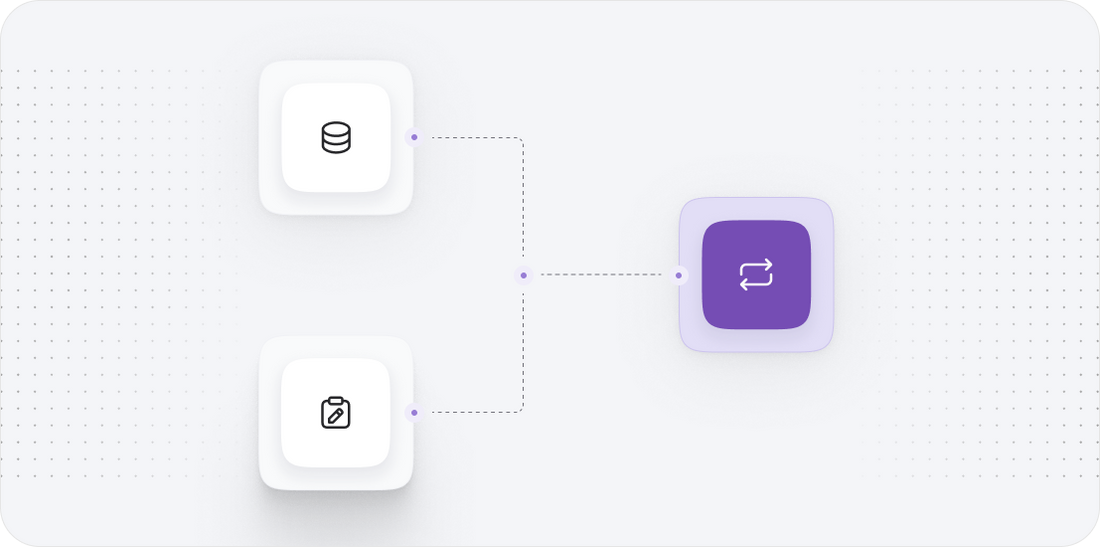
Step 2: Data Backup and Preparation
Objective: In this step, we will focus on backing up all relevant data from your BASE platform. This is a crucial safety measure that protects against data loss during the migration process.
The backup process should cover the following data types:
- Product Data: Export all product information, including descriptions, images, SKUs, and inventory levels.
- Customer Data: Backup all customer accounts, their preferences, and order histories to ensure that their experience remains seamless.
- Order Data: Include all past orders and their statuses to maintain accurate records.
- Configuration Settings: Document all current settings related to payment, shipping, and tax configurations.
Technical Considerations: Ensure that you use a secure method for backing up your data. You can utilize tools like CSV exports, database dumps, or third-party backup solutions that align with BASE's capabilities.
Best Practices:
- Schedule backups during low-traffic periods to minimize disruption.
- Verify the integrity of your backups by testing the restoration process on a staging environment.
With a robust backup in place, we can proceed to the next step with confidence, knowing that all essential data is secure.

Step 3: Data Mapping and Structuring for Commercetools
Objective: Proper data mapping is essential for a successful migration to Commercetools. This step will involve aligning your existing data structure with Commercetools' requirements.
We will specifically focus on:
- Product Attributes: Map the attributes of your products in BASE to their corresponding fields in Commercetools. This includes details like names, prices, descriptions, and variants.
- Customer Attributes: Ensure that customer data, including emails, names, and addresses, is correctly aligned with Commercetools' customer model.
- Order Attributes: Define how order data will be represented in Commercetools, ensuring that all order statuses and historical data are retained.
Technical Considerations: Review Commercetools' data structure documentation to understand how to best format your data for import. This may include using specific naming conventions or data types.
Best Practices:
- Consider creating a mapping document that outlines how each element in BASE corresponds to Commercetools.
- Engage with your development team or a Power Commerce consultant to validate the mapping process.
Completing this mapping step ensures that your data will seamlessly transition to Commercetools without loss of information or functionality.

Step 4: Setting Up Commercetools Environment
Objective: This step involves setting up your Commercetools environment to ensure it is fully configured and ready to accommodate the migrated data from BASE.
The setup process includes:
- Account Creation: Create the necessary user accounts in Commercetools and assign appropriate roles based on your organizational structure.
- Permissions: Define permissions for each user role to ensure they can access the required features and data.
- Configuration Settings: Set up essential configurations, such as payment methods, shipping options, and tax settings.
Technical Considerations: Familiarize yourself with Commercetools' Management Console, which provides a user-friendly interface for managing your account settings and configurations.
Best Practices:
- Set up a staging environment to test configurations before going live.
- Document all settings and configurations in case of future reference or audits.
By establishing a well-configured Commercetools environment, we prepare for the next critical phase of the migration process.
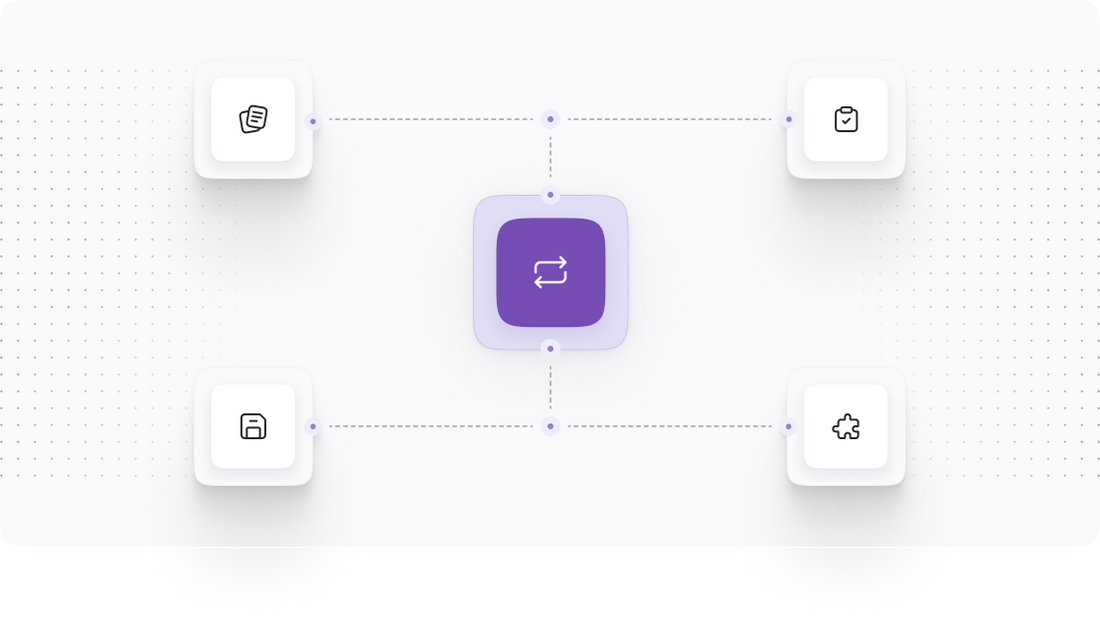
Step 5: Data Migration Execution
Objective: This step focuses on the actual migration of data from BASE to Commercetools. It is critical to execute this process carefully to ensure data integrity and accuracy.
The migration process will encompass:
- Data Import: Use Commercetools' API to import the mapped data. This may involve writing scripts or using migration tools to facilitate bulk uploads.
- Validation: After the import, validate the data in Commercetools to ensure it has been transferred correctly. This includes checking product listings, customer accounts, and order histories.
- Error Handling: Monitor for any errors that may arise during the migration and address them promptly. This could include fixing data format issues or resolving API errors.
Technical Considerations: Ensure that your scripts or tools used for migration are optimized for performance to handle large data sets without timeouts or failures.
Best Practices:
- Conduct the migration in phases if dealing with a large data set to minimize risks.
- Have rollback plans in place in case the migration encounters critical issues.
Completing this migration step will transition your data to Commercetools, setting the stage for the final integration and optimization steps.
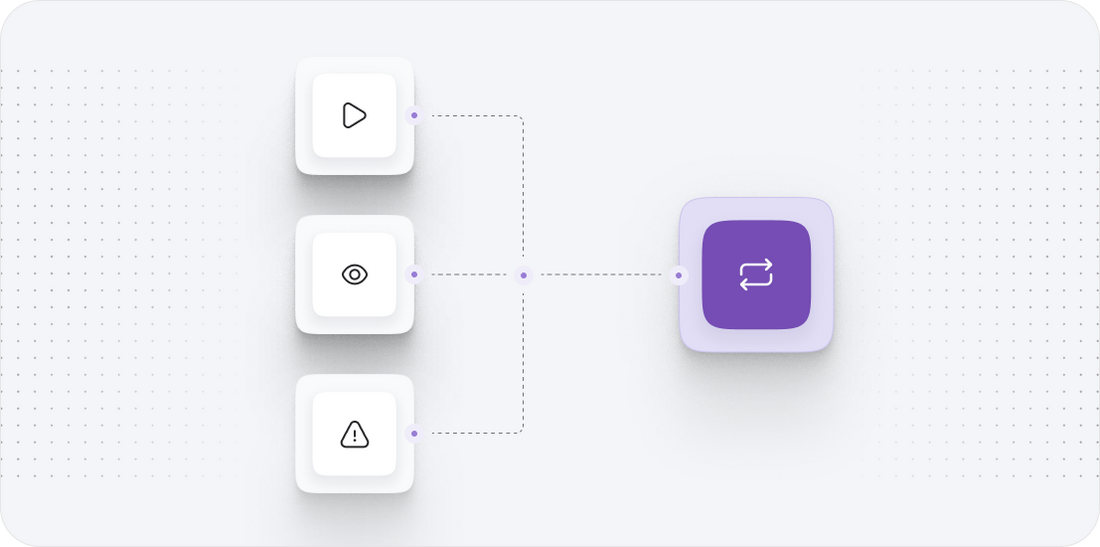
Step 6: Post-Migration Validation and Testing
Objective: This step focuses on validating the data post-migration and performing necessary testing to ensure everything operates smoothly in Commercetools.
Key areas of focus during this phase include:
- Data Integrity Checks: Verify that all products, customers, and order data are accurate and complete. Compare the data in Commercetools against the original data in BASE.
- Functional Testing: Test the core functionalities of your ecommerce site, including product searches, order processing, and customer account management. Ensure that all integrations are functioning as intended.
- User Acceptance Testing (UAT): Involve key stakeholders in testing the system to ensure that it meets their expectations and requirements.
Technical Considerations: Utilize automated testing tools where possible to streamline the validation process and ensure comprehensive coverage.
Best Practices:
- Keep detailed logs of tests performed and any issues found for future reference.
- Schedule testing during low-traffic periods to minimize disruptions.
Through rigorous validation and testing, we can ensure that your Commercetools environment is ready for launch.
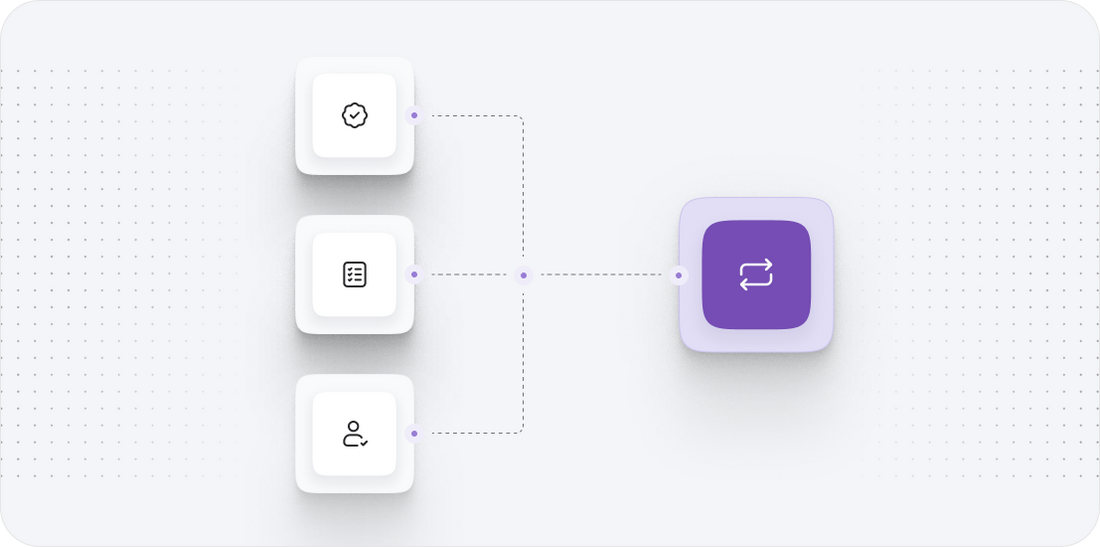
Step 7: Go Live and Monitor Performance
Objective: With successful validation and testing completed, this step involves launching your ecommerce site on Commercetools and ensuring everything operates smoothly.
Key activities in this phase include:
- Go Live: Switch your domain settings to point to your new Commercetools environment. Ensure all traffic is routed correctly.
- Performance Monitoring: Actively monitor site performance for load times, error rates, and system responsiveness. Utilize analytics tools to track user behavior and engagement.
- Issue Resolution: Be prepared to address any issues that arise post-launch promptly. This may include fixing bugs, addressing customer inquiries, and optimizing performance based on initial feedback.
Technical Considerations: Ensure that your monitoring tools are configured correctly to track performance metrics effectively.
Best Practices:
- Communicate with your customers about the migration and any changes they can expect.
- Have a support plan in place to address any customer concerns during the transition.
Successfully completing this step means your ecommerce site is now fully operational on Commercetools, ready to provide an enhanced shopping experience for your customers.

Power Your Step - Get in Touch
Transform Your Ecommerce Experience! At PowerCommerce, we specialize in making your migration to Commercetools seamless and efficient. With our industry experience, we ensure that your transition minimizes downtime and maximizes performance.
Contact Us Today:
- Visit our contact page: Contact PowerCommerce
- Call us directly at 800-099-9090
- Email us at [email protected]
Our dedicated team of ecommerce experts is here to assist you every step of the way, ensuring you get the most out of your new Commercetools platform.
Why Choose PowerCommerce? We are committed to innovation, scalability, and customer-centric solutions that empower your ecommerce brand. Let us help you achieve your business goals with a smooth migration process tailored to your needs.

Unlock dedicated support to shape an incredible future with solutions crafted for scale and innovation.
Let's WorkStay aligned on what's happening in the commerce world


Trusted by 1000+ innovative companies worldwide
Schedule Your Migration Today
For businesses prioritizing simplicity, scalability, and robust support, Shopify is the clear winner.
Looking to migrate without hassle? Power Commerce can handle the entire process, ensuring smooth data transfer, store setup, and post-launch success.
Marka Marulića 2, Sarajevo, 71000 BiH
[email protected]