






Drupal commerce to Oracle commerce
Migrating your store from Drupal commerce to Oracle commerce might seem daunting, but with proper planning and the right tools, it's a smooth process. Follow this step-by-step guide to ensure a successful transition.
Schedule a call
Step-by-Step Migration Guide: Drupal Commerce to Oracle Commerce migration guide
Step 1: Assess Your Current Setup
In this initial step, we analyze your existing Drupal Commerce setup to identify the scope of the migration, ensuring all necessary data, content, and configurations are accounted for.
Step 2: Backup Your Existing Data
Creating a comprehensive backup of your current Drupal Commerce data is essential to safeguard against any potential data loss during the migration process.
Step 3: Prepare the Oracle Commerce Environment
Setting up the Oracle Commerce environment involves configuring the necessary infrastructure and installing essential applications to create a stable platform for your migrated data.
Step 4: Migrate Data from Drupal to Oracle
This step involves transferring all identified data from Drupal Commerce to Oracle Commerce using automated tools and manual processes where necessary.
Step 5: Configure Storefront and Functionalities
Once data migration is complete, we focus on configuring the storefront and necessary functionalities within Oracle Commerce to match your business requirements.
Step 6: Testing and Quality Assurance
Thorough testing and quality assurance are essential steps to ensure that the new Oracle Commerce platform operates smoothly and meets all business requirements.
Step 7: Launch and Monitor
In the final step, we officially launch the new Oracle Commerce platform and closely monitor its performance to ensure everything operates as expected.
Power Your Step - Get in Touch
Ready to make your migration a success? Contact PowerCommerce today to leverage our expert support and ensure a seamless transition to Oracle Commerce.
Step 1: Assess Your Current Setup
Assessing your current setup is a critical first step in the migration from Drupal Commerce to Oracle Commerce. This phase allows us to thoroughly understand the architecture of your existing store, including its database structure, customizations, extensions, and integrations. By completing a comprehensive audit, we can outline the specific scope of the migration process, identify potential challenges, and create a detailed migration plan aligned with your business objectives.
The goal is to ensure that all essential data, such as product listings, customer information, order history, and configurations, will be successfully transitioned to the new Oracle Commerce platform. We will also evaluate any third-party integrations currently in use, as these may need to be reconfigured or replaced in the new environment.
- Inventory Data: List all products, including attributes and categories.
- Customer Data: Analyze customer profiles, order histories, and loyalty programs.
- Content Data: Review all content types, such as blog posts, landing pages, and multimedia elements.
- Custom Modules: Document any custom modules or features implemented in Drupal Commerce.
- Integrations: Identify third-party integrations, such as payment gateways, shipping solutions, and CRM systems.
By gathering this information, we pave the way for a smooth migration, ensuring that no critical data is overlooked during the process.
Step 2: Backup Your Existing Data
Backing up your existing data is a vital step before initiating the migration to Oracle Commerce. This ensures that we have a secure copy of all data, allowing us to restore your site if any issues arise during the migration process. We will utilize reliable backup tools to capture all aspects of your Drupal Commerce setup, including the database and file storage.
Here’s how we approach the backup process:
- Database Backup: Use tools like
mysqldumpfor MySQL databases or appropriate commands for other databases to create a full export of your site’s database. - File Backup: Transfer all files from your Drupal installation, including media files, themes, and modules, to a secure location.
- Configuration Backup: Document and export all configurations, ensuring you can replicate critical settings in Oracle Commerce.
Once the backup is complete, we will verify the integrity of the data to ensure that all components are captured accurately. This precaution allows us to proceed confidently into the migration process, knowing that we can revert back if necessary.
Step 3: Prepare the Oracle Commerce Environment
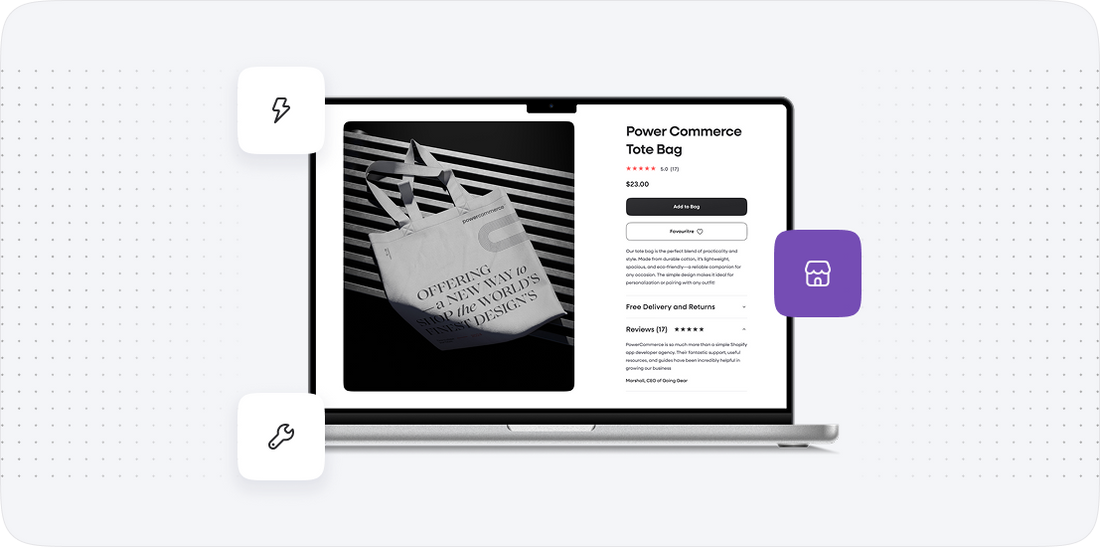
Preparing the Oracle Commerce environment is a crucial step in the migration process. This involves configuring the necessary infrastructure and installing essential applications required for the new platform. Our team focuses on creating a stable and robust environment that can efficiently handle your ecommerce operations post-migration.
Here's how we prepare the environment:
- Choose the Right Hosting Plan: Select an Oracle cloud hosting plan that aligns with your business needs, considering factors such as expected traffic, storage requirements, and performance metrics.
- Install Oracle Commerce: Follow the installation instructions provided by Oracle to deploy the Commerce platform on the selected hosting environment. This includes setting up the necessary databases and application servers.
- Configure Security Settings: Implement best practices for security, including SSL certificates, firewall configurations, and access controls to protect your data and transactions.
- Set Up Development Environment: Create a staging environment to test the migration process and ensure everything operates smoothly before going live.
This preparation phase is essential to minimize downtime and ensure that your new Oracle Commerce platform is ready to receive migrated data and operate efficiently.
Step 4: Migrate Data from Drupal to Oracle
The data migration phase is where we transfer all identified data from your Drupal Commerce setup to the new Oracle Commerce platform. This step is critical as it encompasses the migration of products, customer data, orders, and any other necessary information that supports your ecommerce operations.
We adopt a structured approach for data migration, which includes:
- Data Mapping: Create a mapping document to align Drupal Commerce data fields with Oracle Commerce equivalents. This ensures that all data is correctly categorized in the new system.
- Automated Migration Tools: Utilize migration tools and scripts, such as
TalendorApache Nifi, to automate the data transfer process where possible. This reduces manual errors and speeds up the migration. - Manual Adjustments: For any custom data types or fields, perform manual data entry or adjustments to ensure that all information is accurately transferred.
- Validation: After migration, validate the data integrity by comparing records in both systems. Check for completeness and accuracy to confirm that no data has been lost or corrupted during the transfer.
This migration process is crucial for maintaining operational continuity and ensuring that your new Oracle Commerce platform is populated with all necessary data for a successful launch.
Step 5: Configure Storefront and Functionalities
After successfully migrating data, the next step is to configure the storefront and essential functionalities within Oracle Commerce. This process involves setting up the visual layout, navigation, and features that will provide an optimal shopping experience for your customers.
We approach this configuration with a focus on usability and branding:
- Customize the Storefront: Utilize Oracle Commerce’s tools to design and customize the storefront layout. This includes selecting themes, adjusting layouts, and adding branding elements to ensure a cohesive brand experience.
- Integrate Functionalities: Set up essential functionalities such as product filtering, search capabilities, and shopping cart processes. Ensure that features like wish lists and product comparisons are operational.
- Implement Payment and Shipping Options: Configure payment gateways and shipping methods to align with your business model. This includes verifying that the checkout process is seamless and secure.
- SEO Optimization: Optimize the storefront for search engines by configuring metadata, alt text, and URL structures to improve visibility and organic traffic.
This configuration phase is crucial for ensuring that your new Oracle Commerce platform meets your operational needs and delivers a user-friendly experience to your customers.
Step 6: Testing and Quality Assurance
Testing and quality assurance are critical steps following the configuration of your Oracle Commerce platform. This phase allows us to identify and resolve any issues before the official launch, ensuring that all functionalities work as intended and that the customer experience is seamless.
We implement a comprehensive testing strategy that includes:
- Functional Testing: Verify that all features, including checkout, user login, and product searches, function correctly. This includes testing various scenarios to ensure that all potential customer interactions are smooth.
- Data Integrity Testing: Confirm that all migrated data appears correctly in the new system. Check for any discrepancies in product information, customer accounts, and order histories.
- Performance Testing: Assess the speed and responsiveness of the site under different conditions, including peak traffic scenarios, to ensure that the platform can handle expected loads.
- User Acceptance Testing (UAT): Involve key stakeholders in testing the platform to gather feedback and make any necessary adjustments based on user experience.
This rigorous testing process is essential to mitigate risks and ensure a successful launch of your Oracle Commerce platform.
Step 7: Launch and Monitor
The launch of your new Oracle Commerce platform marks the culmination of the migration process. In this final step, we carefully transition your ecommerce operations from Drupal Commerce to Oracle Commerce and monitor the platform closely to ensure optimal performance.
We follow a structured launch plan that includes:
- Go Live Strategy: Implement a go-live strategy that includes scheduling the launch during low-traffic periods to minimize disruption. Notify all stakeholders of the upcoming transition.
- Final Data Sync: Perform a final data synchronization to ensure that any new transactions or changes made during the migration process are captured in Oracle Commerce.
- Monitor Performance: After launch, we monitor site performance, user behavior, and operational metrics closely. This allows us to quickly address any issues that may arise and optimize the platform based on real-time feedback.
- Post-Launch Support: Provide ongoing support and maintenance to address any technical challenges and to ensure the new system continues to meet your business needs effectively.
By following these steps, we ensure a successful transition to your new Oracle Commerce platform, paving the way for enhanced operational efficiency and customer satisfaction.
Power Your Step - Get in Touch
Are you ready to transform your ecommerce experience? At PowerCommerce, we specialize in seamless migrations from Drupal Commerce to Oracle Commerce. Our team of experts is here to ensure that your transition is smooth and efficient, minimizing downtime and maximizing performance.
Don't wait any longer to take your ecommerce operations to the next level. Get in touch with us today:
- Visit our contact page to fill out our inquiry form.
- Call us directly at 800-099-9090 for immediate assistance.
- Email us at [email protected] to discuss your migration needs.
Let us partner with you to drive growth and success in your ecommerce journey. Our commitment to innovation, scalability, and integrity ensures that you receive the best support throughout your migration process.

Unlock dedicated support to shape an incredible future with solutions crafted for scale and innovation.
Let's WorkStay aligned on what's happening in the commerce world


Trusted by 1000+ innovative companies worldwide
Schedule Your Migration Today
For businesses prioritizing simplicity, scalability, and robust support, Shopify is the clear winner.
Looking to migrate without hassle? Power Commerce can handle the entire process, ensuring smooth data transfer, store setup, and post-launch success.
Marka Marulića 2, Sarajevo, 71000 BiH
[email protected]