






Mercadoshops to Shopify
Migrating your store from Mercadoshops to Shopify might seem daunting, but with proper planning and the right tools, it's a smooth process. Follow this step-by-step guide to ensure a successful transition.
Schedule a call
Step-by-Step Migration Guide: MercadoShops to Shopify Migration Guide
Step 1: Assessing Your Current MercadoShops Environment
In this step, we will conduct a thorough assessment of your existing MercadoShops store to identify all assets, data points, and configurations that need to be migrated to Shopify. This ensures that no critical information is overlooked during the transition.
Step 2: Backup Existing Data
We will securely back up all data from your MercadoShops store to prevent any loss during the migration process. This essential step ensures that we have a recovery point in case of any issues.
Step 3: Setting Up Your Shopify Account
In this step, we will create and configure your new Shopify account, ensuring that all settings align with your business needs and goals. This includes selecting a plan and customizing initial settings.
Step 4: Migrating Your Products
During this step, we will focus on importing all product data from MercadoShops to Shopify, ensuring that all product information is accurately transferred and formatted correctly.
Step 5: Migrating Customer Data
In this step, we will migrate your customer data from MercadoShops to Shopify, ensuring that all customer accounts, order history, and preferences are preserved for a seamless transition.
Step 6: Migrating Order History
We will ensure that your past order history is accurately migrated to Shopify, preserving essential details to maintain customer confidence and service continuity.
Step 7: Finalizing Your Shopify Store Setup
In this step, we will finalize the setup of your Shopify store, ensuring that all functionalities are tested, and the store is ready for launch. This includes reviewing themes, settings, and integrations.
Power Your Step - Get in Touch
Ready to make your migration seamless? Contact PowerCommerce today to leverage our expert migration support and ensure a successful transition from MercadoShops to Shopify.
Step 1: Assessing Your Current MercadoShops Environment
Before initiating the migration process, we must first understand the complete landscape of your current MercadoShops store. This assessment phase is crucial as it lays the foundation for a successful migration to Shopify. We will systematically evaluate the following:
- Product Inventory: Review all products, including descriptions, variants, and images. Ensure that all necessary attributes are documented for accurate replication on Shopify.
- Customer Data: Gather all customer information, including names, email addresses, purchase history, and any loyalty program details.
- Order History: Compile past order data, which is essential for maintaining customer trust and service continuity.
- Content Assets: Identify all pages, blogs, and other content that need to be migrated. This includes SEO considerations for each page.
- Third-Party Integrations: Document any existing apps or integrations that are integral to your business operations, such as payment gateways or shipping services.
By the end of this step, we will have a detailed inventory of all items that require migration, which will guide the subsequent steps in our process.
Step 2: Backup Existing Data
Backing up your data is a critical step before commencing any migration. This ensures that we can restore your information in case of unexpected issues during the transfer. We recommend the following steps:
- Export Product Data: Use MercadoShops' export functionality to download your product catalog in CSV format. Make sure to include all relevant fields such as SKU, price, and stock levels.
- Export Customer Data: Similarly, export your customer list, ensuring you capture all relevant details, including contact information and order history.
- Backup Order History: Export your order history to maintain continuity in customer service. This data can usually be exported in a CSV format as well.
- Content Backup: Copy and save all website content, including blog posts, product descriptions, and any custom pages. This can be done by manually copying text or using website scraping tools.
Once the backup is complete, store these files in a secure location, preferably in a cloud storage solution like Google Drive or Dropbox. This way, we can access them easily during the migration process.
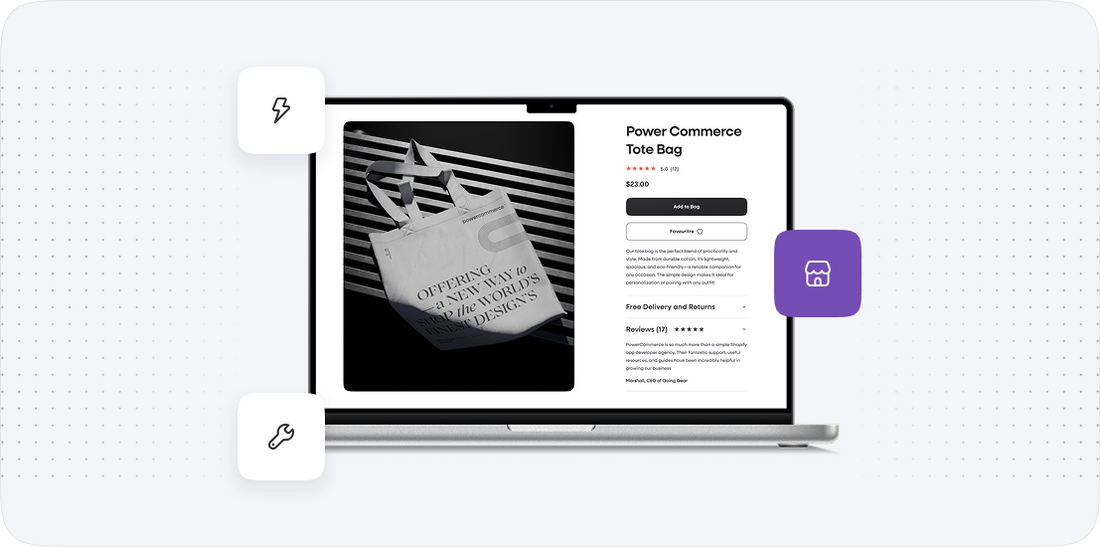
Step 3: Setting Up Your Shopify Account
With the data backed up, we will now set up your Shopify account. This involves several key actions:
- Sign Up for Shopify: Go to the Shopify website and choose the plan that best fits your business needs. As a starting point, the Basic plan is often sufficient, but you may opt for Advanced or Shopify Plus if you anticipate higher volume needs.
- Customize Store Settings: Access the admin panel and navigate to Settings. Here, you will configure essential details such as:
- Store Name: Ensure it reflects your brand identity.
- Payment Providers: Set up payment gateways that you plan to use with your Shopify store. Ensure to enable Shopify Payments for seamless transactions.
- Shipping Settings: Define your shipping zones and rates. You may want to integrate with third-party fulfillment services if needed.
- Choose a Theme: Shopify offers a variety of free and paid themes. Choose one that resonates with your brand's aesthetics. You can always customize it later.
By the end of this step, your Shopify store will be ready to receive products and data from your MercadoShops store.

Step 4: Migrating Your Products
The product migration is one of the most critical components of the overall migration process. We will follow these detailed steps:
- Prepare Your CSV Files: Open the exported product CSV from MercadoShops and format it according to Shopify's product import requirements. This includes ensuring correct headers such as Title, Description, Price, SKU, etc.
- Import Products into Shopify: In your Shopify admin, navigate to Products > All Products > Import. Upload the CSV file you prepared. Shopify will provide a preview of the data; confirm everything looks correct before proceeding.
- Verify Imported Data: After the import is complete, review your product listings to ensure that all data has been transferred correctly, including images, descriptions, and variants. Check for missing information or formatting errors.
- Set Up Collections and Tags: Organize your products into collections and apply tags for better navigation and searchability within your Shopify store.
Confirming that the product migration is successful is crucial, as this data forms the backbone of your online store.
Step 5: Migrating Customer Data
Customer data migration is essential for maintaining the continuity of your customer relationships. Here’s how we will proceed:
- Prepare Customer CSV Files: Open the exported customer CSV file and ensure it matches Shopify's customer import format. This includes fields like First Name, Last Name, Email, Total Spent, and Tags.
- Import Customers into Shopify: In the Shopify admin, navigate to Customers > Import and upload your prepared CSV file. Verify the data during the preview stage.
- Verify Customer Accounts: After importing, check that all customer accounts are properly created, including login credentials (if applicable) and historical order information.
- Inform Your Customers: Consider sending an email to your customers informing them of the migration and any new features or changes in the shopping experience.
Maintaining customer data integrity is vital for customer trust and service continuity.
Step 6: Migrating Order History
Order history is crucial for customer service and account management. The following steps outline our approach:
- Export Order Data: Retrieve the order history CSV from MercadoShops, ensuring it includes all relevant fields such as Order Number, Customer Email, Order Date, Total Amount, and Status.
- Prepare Order CSV for Shopify: Format the order data to match Shopify's import requirements. This may involve creating custom fields or structures to align with Shopify's order tracking.
- Use Third-Party Apps: For importing historical orders, consider using third-party apps from the Shopify App Store that specialize in order migration, as Shopify does not directly support bulk order imports.
- Verify Imported Orders: After the import, check that all orders display correctly in the Shopify admin, including customer details, product listings, and shipping information.
This step ensures that customer service representatives can access historical order data, thereby enhancing customer satisfaction.
Step 7: Finalizing Your Shopify Store Setup
With all data migrated, this step focuses on ensuring that your Shopify store is fully functional and ready for customers:
- Review Store Design: Make any necessary adjustments to your theme to ensure it accurately reflects your brand. Customize fonts, colors, and layout as needed.
- Test Functionalities: Go through every aspect of your store, including:
- Product pages
- Checkout process
- Payment processing
- Shipping calculations
- Set Up Essential Apps: Install any necessary apps for functionality such as email marketing, SEO optimization, and customer service chat.
- Conduct Final Quality Assurance: Before launching, conduct a thorough QA check across all pages and functionalities to ensure everything operates smoothly.
Once these steps are complete, your Shopify store will be ready to launch, providing a seamless shopping experience for your customers.
Power Your Step - Get in Touch
If you're looking for a reliable partner to facilitate your migration from MercadoShops to Shopify, look no further! At PowerCommerce, we specialize in seamless transitions that ensure data integrity and operational efficiency.
Here's how to get in touch with us:
- Visit our contact page to fill out our inquiry form.
- Call us directly at 800-099-9090 for immediate assistance.
- Email us at [email protected] to discuss your specific needs.
With over 15 years of industry experience, our team is dedicated to empowering ecommerce brands like yours with innovative solutions. Don't hesitate--reach out today and let us help you accelerate your ecommerce growth!

Unlock dedicated support to shape an incredible future with solutions crafted for scale and innovation.
Let's WorkStay aligned on what's happening in the commerce world


Trusted by 1000+ innovative companies worldwide
Schedule Your Migration Today
For businesses prioritizing simplicity, scalability, and robust support, Shopify is the clear winner.
Looking to migrate without hassle? Power Commerce can handle the entire process, ensuring smooth data transfer, store setup, and post-launch success.
Marka Marulića 2, Sarajevo, 71000 BiH
[email protected]