






Nuvem shop to Stackcommerce
Migrating your store from Nuvem shop to Stackcommerce might seem daunting, but with proper planning and the right tools, it's a smooth process. Follow this step-by-step guide to ensure a successful transition.
Schedule a call
Step-by-Step Migration Guide: Nuvem Shop to StackCommerce migration guide
Step 1: Preparation and Planning
In this initial step, we focus on establishing a clear migration strategy, which includes inventory check, assessing current data, and defining goals for the migration to StackCommerce.
Step 2: Data Backup
Before initiating the migration, we perform a full backup of all critical data from Nuvem Shop to ensure no information is lost during the transition.
Step 3: Setting Up StackCommerce
In this step, we focus on creating and configuring our new StackCommerce account, ensuring that all settings align with our business requirements.
Step 4: Data Migration
This step involves transferring all data from Nuvem Shop to StackCommerce, ensuring that all critical information is accurately moved and accessible.
Step 5: Testing and Quality Assurance
After migrating the data, we conduct extensive testing to ensure that all functionalities work as expected and the customer experience is seamless.
Step 6: Launching Your StackCommerce Store
This step focuses on the official launch of our StackCommerce store, including marketing strategies to notify existing customers about the transition.
Step 7: Post-Launch Optimization
In this final step, we focus on analyzing performance metrics and making necessary adjustments to optimize our StackCommerce store further.
Power Your Step - Get in Touch
Contact PowerCommerce to leverage our expert support for your migration needs and ensure a seamless transition process.
Step 1: Preparation and Planning
The first step in our migration from Nuvem Shop to StackCommerce involves thorough preparation and planning. This phase is critical as it lays the groundwork for a smooth migration experience, ensuring that all data is accounted for and that we have a clear path forward. By understanding what needs to be migrated, we can avoid potential pitfalls and ensure minimal disruption to our business operations.
We begin by assessing the current state of our Nuvem Shop store. This involves a comprehensive inventory check to identify all products, customer data, order history, and any additional content that needs to be migrated. We will also review our existing workflows and features to determine how they will translate to the new StackCommerce platform.
- Inventory Check: Compile a complete list of all products, including SKUs, descriptions, prices, and images.
- Data Assessment: Review customer data, including contact information, order history, and preferences.
- Define Goals: Establish what we aim to achieve with the migration, such as improved site performance, enhanced user experience, or increased sales capacity.
Additionally, we need to create a detailed migration timeline. This timeline should include specific milestones and deadlines, ensuring that we stay on track throughout the migration process. It's also essential to communicate this plan with our team, so everyone is aware of their roles and responsibilities.
By taking the time to prepare and plan thoroughly, we significantly reduce the risks associated with migration, leading to a more efficient and effective transition to StackCommerce.
Step 2: Data Backup
Prior to executing the migration, we must prioritize data security by performing a comprehensive backup of our Nuvem Shop store. This step is crucial as it safeguards our data against any unforeseen issues that may arise during the transition to StackCommerce.
We will back up all critical data, including product information, customer records, order history, and any custom settings or configurations. This ensures that we have a reliable copy of everything we need in case of any setbacks. The backup process typically involves the following actions:
- Export Product Data: Utilize Nuvem Shop’s export tools to download CSV files containing product details, including descriptions, prices, and images.
- Download Customer Data: Similarly, export customer data to preserve contact information and order history.
- Backup Site Configuration: Record any custom settings and configurations that are critical for the operation of our store.
We recommend using secure cloud storage solutions or external hard drives to save these backups. Additionally, it’s wise to verify the integrity of the backup files by checking for any discrepancies or missing data. This proactive approach ensures that we can restore our store to its previous state if needed, providing peace of mind as we proceed with the migration.
Step 3: Setting Up StackCommerce
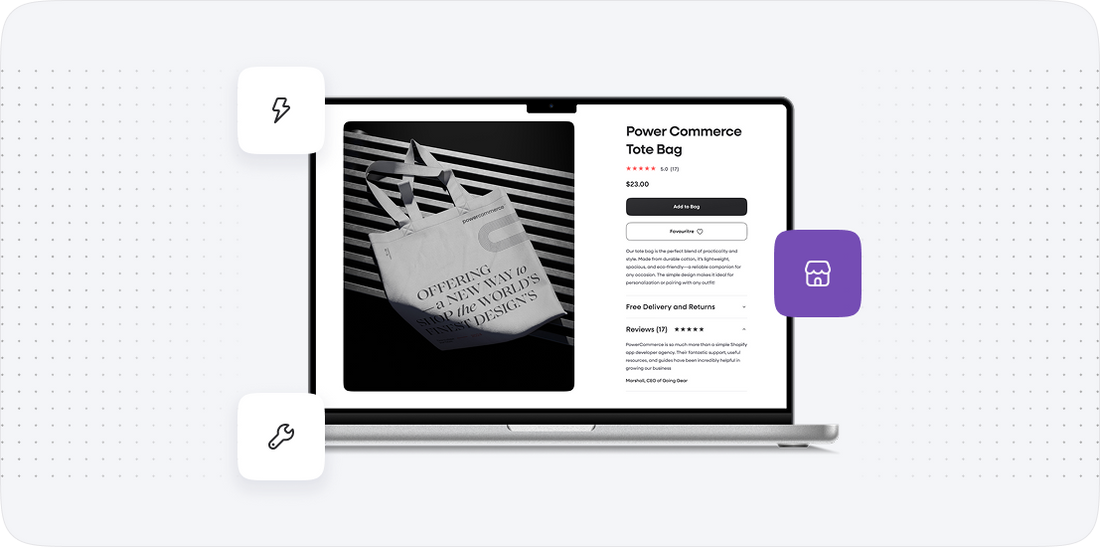
With our data backed up, we can now focus on setting up our new StackCommerce account. This step involves creating our account, selecting the appropriate plan, and configuring essential settings to optimize our store for operations.
First, we will visit the StackCommerce website and follow the registration process to create our new account. Once our account is created, we should configure various settings, including:
- Store Details: Enter basic information such as the store name, logo, and contact details.
- Payment Gateway Setup: Integrate payment gateways that suit our business model, ensuring that we can accept transactions securely.
- Shipping Settings: Define shipping options and rates to cater to our customer base effectively.
Next, we will leverage StackCommerce’s customization features to tailor the design and layout of our storefront. This includes selecting templates, adjusting themes, and setting up navigation structures. We aim to create a user-friendly experience that reflects our brand identity.
Lastly, we’ll set up necessary integrations, such as email marketing tools or analytics platforms, to enhance our operational efficiency. By thoroughly configuring our StackCommerce account, we prepare a solid foundation for the data migration phase.
Step 4: Data Migration
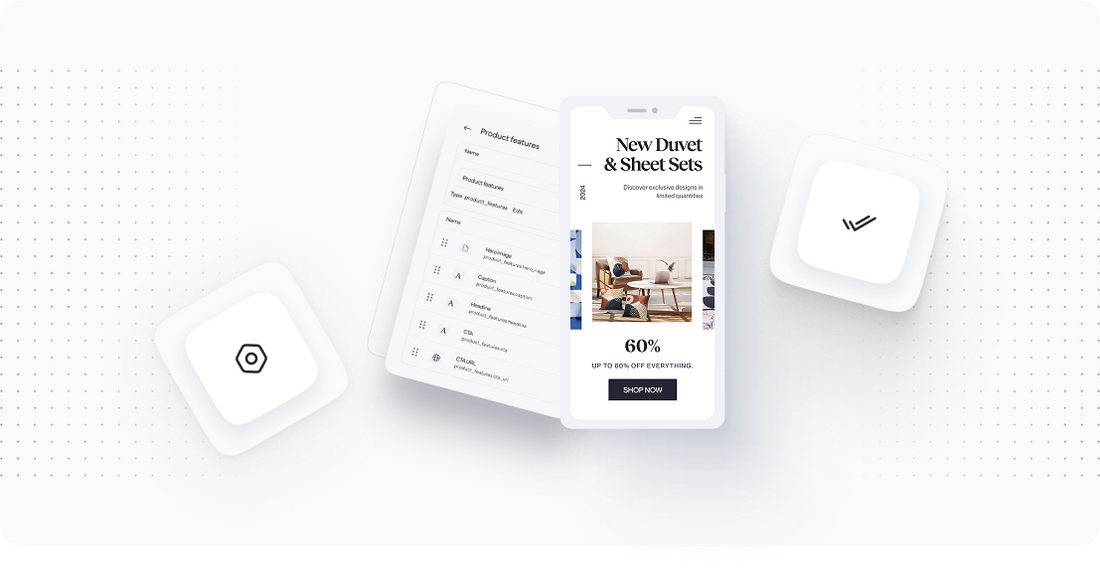
Now that our StackCommerce account is fully set up, we move on to the data migration phase. This critical step involves transferring all relevant data from our Nuvem Shop store to StackCommerce, ensuring a seamless transition with minimal disruption to our operations.
To begin the migration, we will utilize data import tools provided by StackCommerce. This typically involves the following steps:
- Import Product Data: Use the CSV files exported from Nuvem Shop to import product information into StackCommerce. Ensure that all product attributes, images, and categories are accurately mapped during this process.
- Transfer Customer Data: Import the previously backed-up customer data, ensuring that customer accounts and order histories are preserved.
- Set Up Redirects: Implement 301 redirects from old URLs to new ones to maintain SEO rankings and prevent broken links.
After the import process is complete, we need to verify that all data has been transferred accurately. This involves checking for any discrepancies, ensuring that product listings are complete, and confirming that customer accounts are functional. We also recommend conducting a thorough review of order histories to ensure continuity in service.
By executing this migration with precision, we can minimize downtime and ensure that our customers experience a seamless transition to the new platform.
Step 5: Testing and Quality Assurance
Once the data migration is complete, we enter the testing and quality assurance phase. This step is crucial to ensure that everything functions as expected on the new StackCommerce platform and that our customers will have a positive experience when they visit the store.
We will conduct a series of tests covering various aspects of the store, including:
- Product Listings: Verify that all product information, images, and prices are displayed correctly.
- Shopping Cart Functionality: Test the cart and checkout process to ensure it operates smoothly and accepts payments without issues.
- Customer Accounts: Check that customer accounts are accessible and that all data, such as order history and saved addresses, are intact.
- Mobile Responsiveness: Ensure the store is fully responsive on mobile devices, providing an optimal shopping experience.
It’s also beneficial to have a group of testers, possibly including loyal customers, to navigate the site and provide feedback. This approach allows us to identify any potential issues or areas for improvement before the official launch.
By dedicating time to thorough testing and quality assurance, we can confidently move forward, knowing that our StackCommerce store is fully operational and ready for customers.
Step 6: Launching Your StackCommerce Store
With testing complete and all functionalities verified, we are now ready to launch our StackCommerce store officially. This is an exciting phase as it marks the culmination of our migration efforts and the beginning of our new journey with StackCommerce.
Before launching, we need to create a marketing plan to inform our existing customers about the new store and any changes they can expect. Key elements of this plan may include:
- Email Notifications: Send out emails to our customer base announcing the launch, highlighting new features and any promotional offers.
- Social Media Announcements: Utilize our social media channels to raise awareness about the new store, encouraging followers to visit and explore.
- Incentives for First-Time Shoppers: Consider offering discounts or special promotions to encourage customers to make their first purchase on the new platform.
On launch day, we will ensure that our team is available to address any immediate customer inquiries or issues that may arise. It’s essential to monitor site performance closely during the initial hours after going live to quickly address any unexpected challenges.
By executing a well-coordinated launch strategy, we can maximize visibility for our new StackCommerce store and set the stage for ongoing success.
Step 7: Post-Launch Optimization
After our StackCommerce store is live, the work doesn’t stop. The post-launch optimization phase is crucial for ensuring our store operates at peak performance, meets customer expectations, and continually grows.
We will begin by closely monitoring key performance metrics such as:
- Traffic Analysis: Use analytics tools to track visitor traffic, identifying trends and understanding customer behavior.
- Sales Performance: Analyze sales data to assess the effectiveness of our marketing strategies and product offerings.
- Customer Feedback: Collect feedback from customers regarding their shopping experience, looking for areas where we can improve.
Based on our findings, we can make data-driven adjustments to enhance the store. This may include optimizing product descriptions, refining marketing campaigns, or even implementing new features based on customer requests.
Moreover, we will maintain an ongoing review of our SEO strategy to ensure that we remain competitive in search rankings, adjusting our approach as necessary to keep attracting new customers.
By continually optimizing our StackCommerce store, we ensure its long-term success and alignment with our business goals.
Power Your Step - Get in Touch
Are you ready to take your ecommerce business to the next level with a seamless migration to StackCommerce? At PowerCommerce, we are dedicated to providing you with expert support throughout your migration journey. Our team understands the intricacies of the process and is committed to ensuring your transition is smooth and efficient.
Contact us today to discuss how we can assist you:
- Visit our contact form to get started.
- Call us at 800-099-9090 for immediate assistance.
- Email us at [email protected] for any inquiries you may have.
Our values of innovation, scalability, customer-centricity, and integrity drive our mission to empower ambitious ecommerce brands like yours. Don’t leave your migration to chance--partner with PowerCommerce for a risk-free consultation and tailored solutions that meet your unique business needs.

Unlock dedicated support to shape an incredible future with solutions crafted for scale and innovation.
Let's WorkStay aligned on what's happening in the commerce world


Trusted by 1000+ innovative companies worldwide
Schedule Your Migration Today
For businesses prioritizing simplicity, scalability, and robust support, Shopify is the clear winner.
Looking to migrate without hassle? Power Commerce can handle the entire process, ensuring smooth data transfer, store setup, and post-launch success.
Marka Marulića 2, Sarajevo, 71000 BiH
[email protected]