






Stackcommerce to Shopify
Migrating your store from Stackcommerce to Shopify might seem daunting, but with proper planning and the right tools, it's a smooth process. Follow this step-by-step guide to ensure a successful transition.
Schedule a call
Step-by-Step Migration Guide: StackCommerce to Shopify migration guide
Step 1: Evaluate Your Current StackCommerce Setup
In this initial step, we assess your existing StackCommerce setup, focusing on key elements like product data, customer information, and site structure to ensure a smooth migration to Shopify.
Step 2: Backup Your Data
Backing up your data is a crucial step to prevent any loss during the migration process. This step involves creating a complete backup of your StackCommerce store.
Step 3: Set Up Your Shopify Account
In this step, we’ll help you set up your Shopify account, including selecting the right plan and configuring essential settings to prepare for the migration.
Step 4: Prepare Product Data for Import
In this step, we'll format your product data for Shopify, ensuring all attributes are correctly aligned to facilitate a smooth import process.
Step 5: Import Data into Shopify
In this crucial step, we will import the prepared product and customer data into your Shopify store, ensuring that all information is accurately reflected.
Step 6: Configure Your Shopify Store Settings
After importing data, we'll configure essential store settings in Shopify to optimize your online store for operations and customer experience.
Step 7: Test Your Shopify Store
In this final preparatory step, we will conduct thorough testing of your Shopify store to identify and resolve any issues before going live.
Power Your Step - Get in Touch
Ready to elevate your ecommerce journey? Contact PowerCommerce for expert migration support and tailored solutions.
Step 1: Evaluate Your Current StackCommerce Setup
Before we begin the migration from StackCommerce to Shopify, it is essential to conduct a thorough evaluation of your current StackCommerce setup. This evaluation will help us identify the critical components that need to be transferred and ensure that nothing is overlooked during the migration process.
The primary objectives of this evaluation include:
- Identifying Data Types: We will categorize the types of data you have, such as product listings, customer information, orders, and reviews. This categorization will help in planning the migration accurately.
- Understanding Site Structure: It's crucial to map out the structure of your current site, including navigation, categories, and product hierarchies. This will aid in recreating an equivalent structure in Shopify.
- Assessing Custom Features: If your StackCommerce store has any custom features or functionalities, we need to document these to determine how to replicate or replace them in Shopify.
By completing this evaluation, we lay a solid foundation for the migration, ensuring that we capture all necessary data and features required for a successful transition to Shopify.
Step 2: Backup Your Data
Before initiating the migration, it is vital to create a comprehensive backup of your StackCommerce store. This ensures that you have a secure copy of all data, which can be restored in case of any issues during the migration.
Here’s how to create a backup:
- Export Product Data: Use StackCommerce’s export functionality to download all product data, including descriptions, prices, images, and SKU numbers. Save this data in a CSV format for easy import into Shopify.
- Export Customer Information: Similarly, export customer data, including names, email addresses, and order histories. This data is crucial for maintaining customer relationships post-migration.
- Backup Site Settings: Document your site settings, including payment gateways, shipping options, and tax settings. This information will be essential when configuring your Shopify store.
After backing up all data, make sure to store it in a secure location. This backup serves as a safety net, ensuring that you can recover your data if needed during the migration.
Step 3: Set Up Your Shopify Account
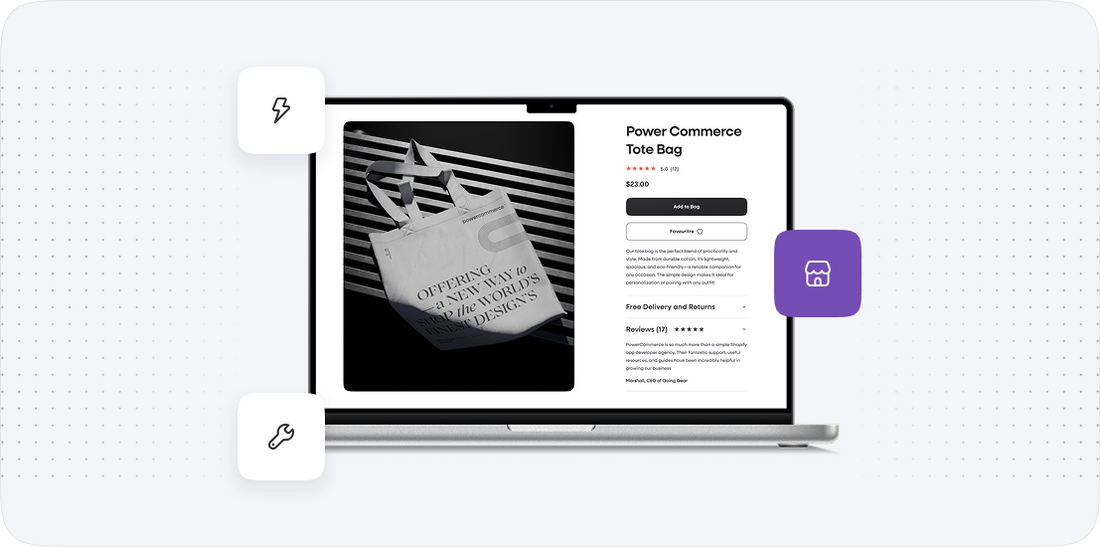
With your data securely backed up, the next step is to set up your Shopify account. This involves selecting the appropriate Shopify plan that fits your business needs and configuring the initial settings to ensure a smooth migration.
Here’s a detailed breakdown of the setup process:
- Select a Shopify Plan: Choose a plan that aligns with your business model and expected growth. Shopify offers various plans, including Basic, Shopify, and Advanced tiers, each with different features and pricing.
- Create Your Shopify Account: Sign up for an account by providing your email address, creating a password, and entering your store name. Follow the prompts to complete the registration process.
- Configure Basic Settings: Once your account is created, navigate to the settings page. Here, you’ll need to set up:
- General Settings: Enter your business information, including your address and contact details.
- Payment Providers: Set up payment gateways by choosing from Shopify Payments, PayPal, or other third-party options.
- Shipping Settings: Define your shipping options, including rates, zones, and carriers.
This setup will prepare your Shopify account for the upcoming data migration, ensuring that all necessary configurations are in place.
Step 4: Prepare Product Data for Import
To migrate your product data from StackCommerce to Shopify, we need to ensure that the data is formatted correctly for Shopify's import requirements. This step involves editing and preparing the CSV file that contains your product information.
Here’s how to prepare your product data:
- Download Product CSV: From your StackCommerce admin panel, export your product data as a CSV file.
- Open the CSV File: Use a spreadsheet application like Microsoft Excel or Google Sheets to open the CSV file.
- Format Columns: Ensure that the columns in your CSV file match Shopify’s required fields. Key fields include:
- Title: The name of the product.
- Description: A detailed description of the product.
- Price: The selling price.
- SKU: The Stock Keeping Unit identifier.
- Image URL: Links to product images.
- Inventory Quantity: The number of items available for sale.
- Remove Unnecessary Columns: Delete any columns that are not required by Shopify to keep the file clean and concise.
Once you have formatted the product data correctly, save the changes and prepare to import this CSV file into your new Shopify store.
Step 5: Import Data into Shopify
With your product and customer data prepared, the next step is to import this information into your Shopify store. Shopify provides a straightforward import process that allows you to upload your CSV files easily.
Follow these steps to import your data:
- Navigate to the Products Section: In your Shopify admin, go to Products and choose Import.
- Upload the CSV File: Select the CSV file you prepared earlier and click Upload File.
- Review Import Options: Shopify will present you with options to match columns if needed. Ensure that the fields in your CSV file match the corresponding fields in Shopify.
- Start the Import: Click Start Import and wait for the process to complete. Depending on the size of your data, this may take some time.
After the import is complete, review your products in Shopify to ensure that all information has been transferred correctly. Verify product details, images, and inventory levels to confirm successful migration.
Step 6: Configure Your Shopify Store Settings
After successfully importing your products and customer data, the next step is to configure your Shopify store settings. This ensures that your store is fully operational and tailored to provide an excellent customer experience.
Key settings to configure include:
- Payment Settings: Go to Settings > Payments to select your preferred payment providers. Ensure that all payment gateways are set up correctly to facilitate transactions.
- Shipping Rates: In Settings > Shipping and delivery, define your shipping rates based on your business model. You can set flat rates, calculated rates, or free shipping options.
- Tax Settings: Navigate to Settings > Taxes to configure your tax rates according to your jurisdiction. Ensure compliance with local tax laws.
- Checkout Settings: Customize your checkout process in Settings > Checkout. You can set up customer accounts, order processing, and checkout forms.
By configuring these settings, you ensure that your Shopify store is ready for business and optimized for customer interactions.
Step 7: Test Your Shopify Store
Before officially launching your new Shopify store, it is crucial to conduct thorough testing to ensure that everything functions as expected. This step helps identify any issues that may affect the customer experience or store operations.
Here’s how to effectively test your store:
- Test Product Listings: Navigate through your product pages to verify that all information, images, and pricing are displayed correctly. Check for functionality such as product variants and add-to-cart options.
- Perform Test Transactions: Simulate purchases using various payment methods to ensure that the checkout process works smoothly. This includes testing discount codes and shipping options.
- Check Mobile Responsiveness: Access your store from different devices (desktop, tablet, and mobile) to confirm that the layout is responsive and user-friendly across all platforms.
- Review Site Speed: Use tools like Google PageSpeed Insights to assess your store’s loading speed and address any issues that may slow down the user experience.
After completing these tests, make any necessary adjustments, and you will be ready to launch your Shopify store with confidence.
Power Your Step - Get in Touch
At PowerCommerce, we are dedicated to making your migration from StackCommerce to Shopify as seamless as possible. Our team of experts is here to guide you through every step of the process, ensuring that your online store is optimized for success.
Get in touch with us today:
- Visit our Contact Page to fill out our form.
- Call us directly at 800-099-9090 for immediate assistance.
- Email us at [email protected] to discuss your specific needs.
Don’t wait! Leverage our expertise to power your ecommerce success today!

Unlock dedicated support to shape an incredible future with solutions crafted for scale and innovation.
Let's WorkStay aligned on what's happening in the commerce world


Trusted by 1000+ innovative companies worldwide
Schedule Your Migration Today
For businesses prioritizing simplicity, scalability, and robust support, Shopify is the clear winner.
Looking to migrate without hassle? Power Commerce can handle the entire process, ensuring smooth data transfer, store setup, and post-launch success.
Marka Marulića 2, Sarajevo, 71000 BiH
[email protected]