






Eticaret to Shopify
Migrating your store from Eticaret to Shopify might seem daunting, but with proper planning and the right tools, it's a smooth process. Follow this step-by-step guide to ensure a successful transition.
Schedule a call
Step-by-Step Migration Guide: Eticaret to Shopify migration guide
Step 1: Assess Your Current Eticaret Store
In this initial step, we will analyze your existing Eticaret store to identify essential data, configurations, and content that need to be migrated to Shopify. This assessment sets the stage for a successful migration.
Step 2: Prepare Your Shopify Store
In this step, we will set up your new Shopify store by choosing a plan, configuring initial settings, and selecting a theme that aligns with your brand identity.
Step 3: Data Migration from Eticaret to Shopify
We will execute the data migration process using a reliable migration tool, ensuring that all products, customers, and orders are accurately transferred to your new Shopify store.
Step 4: Customize Your Shopify Store
In this step, we will customize your Shopify store's appearance and functionality to align with your brand identity and enhance user experience.
Step 5: Set Up Payment and Shipping Methods
We will establish payment and shipping methods in your Shopify store, ensuring a smooth checkout process for your customers.
Step 6: Optimize for SEO
We will implement SEO best practices on your Shopify store to improve visibility and drive organic traffic.
Step 7: Launch Your Shopify Store
In the final preparation step, we will conduct a final check and officially launch your Shopify store to the public.
Power Your Step - Get in Touch
Contact us to leverage our expert migration support for a smooth transition from Eticaret to Shopify.
Step 1: Assess Your Current Eticaret Store
Before we begin the migration from Eticaret to Shopify, it's crucial to perform a thorough assessment of your current Eticaret store. This step allows us to pinpoint the essential data, configurations, and content that need to be migrated. We will review your product listings, customer data, order history, and any customizations that you have implemented.
Here’s how we can approach this:
- Inventory Audit: Start by exporting a complete inventory list from your Eticaret dashboard. This list should include product names, descriptions, images, prices, and stock levels. Use the export function to generate a CSV file of your products.
- Customer Data Review: Export customer data, including names, email addresses, shipping addresses, and order history. This information is crucial for maintaining customer relationships post-migration.
- Order History Export: If applicable, export your order history, including order IDs, statuses, and transaction details. This enables you to keep track of previous customer purchases.
- Customization Documentation: Document any custom features or integrations you have on your Eticaret store. This includes plugins, themes, and any custom code that enhances functionality.
By completing this assessment, we ensure that we capture all necessary elements needed for a successful migration to Shopify. It is essential to have a clear understanding of what needs to be transferred to avoid any data loss during the migration process.
Step 2: Prepare Your Shopify Store
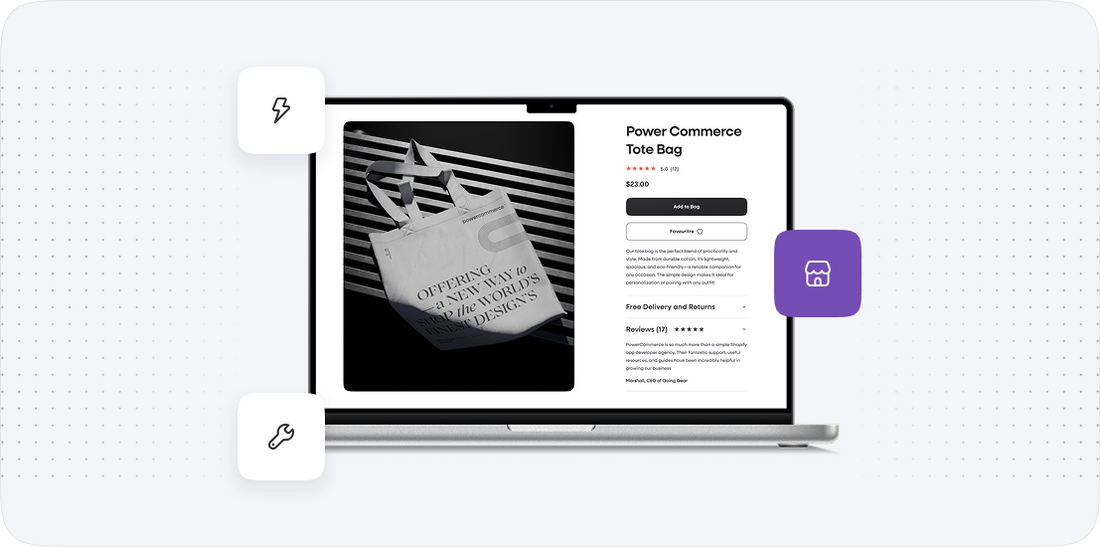
Once we have assessed your existing Eticaret store, the next step is to prepare your new Shopify store. This involves selecting the appropriate Shopify plan, configuring the store settings, and choosing a theme that reflects your brand identity.
Here’s a detailed breakdown of the setup process:
- Select a Shopify Plan: Visit Shopify's pricing page and choose a plan that fits your business needs. Consider factors like transaction fees, the number of staff accounts, and features required for your operations.
- Create Your Shopify Account: Sign up for a Shopify account using your business email. Follow the prompts to enter your store name and other initial details.
- Configure Store Settings: Navigate to the Settings section in your Shopify admin dashboard. Here, you will set up:
- General settings (store name and address)
- Payment providers (set up payment gateways like Shopify Payments, PayPal, etc.)
- Shipping settings (define shipping rates and zones)
- Tax settings (configure tax rates based on your business locations)
- Choose Your Theme: Browse the Shopify Theme Store and select a theme that resonates with your brand. Customize it to match your brand colors, fonts, and desired layout.
By the end of this step, your Shopify store will be configured and ready to receive your migrated data from Eticaret, ensuring a smooth transition.
Step 3: Data Migration from Eticaret to Shopify
With your Shopify store set up, we can now focus on migrating the essential data from Eticaret to Shopify. This is a critical step that requires careful execution to ensure data integrity and completeness.
Here’s how we approach the migration:
- Select a Migration Tool: Choose a reliable migration tool that supports the migration from Eticaret to Shopify. Popular options include Cart2Cart and LitExtension, which facilitate seamless data transfers.
- Connect Both Stores: Follow the instructions provided by the migration tool to connect your Eticaret store and your new Shopify store. This usually involves entering your store URLs and API keys for authentication.
- Map Your Data: During the migration process, you will need to map the data fields from Eticaret to Shopify. This ensures that product names, descriptions, prices, and other details align correctly in your new store.
- Execute the Migration: Initiate the migration process. Monitor the progress through the migration tool, watching for any errors or issues that may arise.
- Verify Data Integrity: Once the migration is complete, conduct a thorough review of your migrated data in Shopify. Check that all products, customers, and orders are present and accurate. Pay special attention to product images, variants, and pricing.
This step is crucial in ensuring that your new Shopify store is fully populated with the necessary data for your business operations, minimizing disruptions to your service.
Step 4: Customize Your Shopify Store
With the data successfully migrated to your Shopify store, the next step is to customize its appearance and functionality. This is where you can make your store truly reflect your brand identity.
Here are the key areas to focus on during customization:
- Customize Theme Settings: Using the Shopify theme editor, customize your selected theme by:
- Adjusting color schemes and fonts
- Setting up your logo and favicon
- Configuring the homepage layout (banners, featured products, collections)
- Set Up Navigation: Create an intuitive navigation structure by setting up menus for your site. Ensure that customers can easily find products and information.
- Add Essential Apps: Explore the Shopify App Store to find apps that enhance your store's functionality. Consider apps for:
- SEO optimization
- Customer reviews
- Email marketing
- Inventory management
- Optimize for Mobile: Ensure that your store is fully responsive and optimized for mobile devices. Preview your store on various devices to confirm a seamless experience.
This customization process not only enhances the visual appeal of your store but also improves user experience, leading to higher conversion rates.
Step 5: Set Up Payment and Shipping Methods
Setting up payment and shipping methods is essential for ensuring that your customers can successfully complete purchases on your Shopify store. This step involves configuring payment gateways and defining shipping rates.
Here’s how we can effectively set this up:
- Configure Payment Options: In your Shopify admin, navigate to Settings > Payments. Here, you can:
- Activate Shopify Payments for seamless transactions
- Add third-party payment gateways (e.g., PayPal, Stripe) based on your customer preferences
- Ensure that all payment methods are compliant with PCI standards for security
- Define Shipping Settings: Go to Settings > Shipping and Delivery. Here, you will:
- Set up shipping zones based on the geographical areas you serve
- Establish shipping rates (flat rate, free shipping, or calculated rates based on weight or price)
- Consider integrating with shipping solutions for real-time tracking and label printing
- Test Your Checkout Process: Once the payment and shipping options are configured, conduct test transactions to ensure that everything functions smoothly. This includes verifying that all payment methods work and that shipping rates are accurately calculated during checkout.
By setting up reliable payment and shipping methods, we enhance customer trust and facilitate a seamless shopping experience.
Step 6: Optimize for SEO
With your Shopify store set up and operational, it’s vital to optimize it for search engines to enhance visibility and attract organic traffic. This step involves implementing SEO best practices throughout your store.
Here’s how we can optimize your Shopify store for SEO:
- Set Up SEO Meta Tags: For each product and page, add relevant meta titles and descriptions. Ensure these include keywords that potential customers might use when searching for your products.
- Optimize URL Structure: Ensure that your URLs are clean and descriptive. Shopify allows you to edit URL slugs; make sure they reflect the product or page content.
- Utilize Alt Text for Images: Add descriptive alt text for all product images. This helps search engines understand the content of the images and improves accessibility.
- Create Quality Content: Consider starting a blog on your Shopify store to create valuable content related to your products or industry. This can help attract organic traffic and engage customers.
- Submit Sitemap to Search Engines: Use Shopify’s built-in sitemap feature to generate and submit your sitemap to Google Search Console and other search engines to improve indexing.
By implementing these SEO strategies, we can significantly enhance your store's visibility, making it easier for potential customers to find your products.
Step 7: Launch Your Shopify Store
After completing all the previous steps, it’s time to prepare for the official launch of your Shopify store. This final step ensures that everything is in order and that your store is ready to welcome customers.
Here’s how we can successfully launch your Shopify store:
- Final Review: Conduct a thorough review of your store. Check all pages, products, and settings to ensure they are correctly set up and functioning as expected.
- Test User Experience: Navigate through the entire shopping experience as a customer. Test product searches, add items to cart, and go through the checkout process to ensure everything works smoothly.
- Launch Announcement: Prepare a launch announcement to inform your customers and followers about your new store. Use email, social media platforms, and any existing communication channels to reach your audience.
- Monitor Post-Launch: After launching, monitor your store closely. Check for any issues reported by customers and be prepared to make quick adjustments as necessary.
By ensuring every detail is polished and ready for public viewing, we can create a positive first impression, enhancing customer trust and encouraging sales from day one.
Power Your Step - Get in Touch
Are you ready to elevate your ecommerce business by migrating from Eticaret to Shopify? Our expert team at PowerCommerce is here to help you every step of the way. With over 15 years of industry expertise, we ensure a seamless migration process that minimizes downtime and maximizes performance.
Contact us today to get started:
- Visit our contact form to send us your details.
- Call us at 800-099-9090 for immediate assistance.
- Email us at [email protected] to discuss your migration needs.
Let’s power your ecommerce growth together!

Unlock dedicated support to shape an incredible future with solutions crafted for scale and innovation.
Let's WorkStay aligned on what's happening in the commerce world


Trusted by 1000+ innovative companies worldwide
Schedule Your Migration Today
For businesses prioritizing simplicity, scalability, and robust support, Shopify is the clear winner.
Looking to migrate without hassle? Power Commerce can handle the entire process, ensuring smooth data transfer, store setup, and post-launch success.
Marka Marulića 2, Sarajevo, 71000 BiH
[email protected]