






Shopify to Commercetools
Migrating your store from Shopify to Commercetools might seem daunting, but with proper planning and the right tools, it's a smooth process. Follow this step-by-step guide to ensure a successful transition.
Schedule a call
Step-by-Step Migration Guide: Shopify to Commercetools migration guide
Step 1: Assess Current Store and Plan Migration
In this step, we evaluate your existing Shopify store to identify all components that need to be migrated, establish a timeline, and create a detailed migration plan tailored to your business needs.
Step 2: Prepare Commercetools Environment
This step involves setting up your Commercetools environment, including configuration of accounts, roles, and API keys necessary for data migration and integration.
Step 3: Data Migration Strategy
In this step, we craft a detailed data migration strategy outlining the methods and tools for transferring data from Shopify to Commercetools while ensuring data integrity.
Step 4: Execute Data Migration
This step involves the actual transfer of data from Shopify to Commercetools, utilizing the selected tools and ensuring data integrity throughout the process.
Step 5: Configure Commercetools Storefront
In this step, we will customize and configure the storefront in Commercetools to align with your brand identity and customer experience objectives.
Step 6: Testing and Quality Assurance
This step involves thorough testing of the migrated store to ensure that all functionalities work as intended and that the customer experience is seamless.
Step 7: Launch and Monitor Performance
In this final preparatory step, we launch the new Commercetools store and monitor its performance closely to ensure everything runs smoothly post-migration.
Power Your Step - Get in Touch
Contact PowerCommerce for expert support in your ecommerce migration journey to leverage our industry-leading expertise and solutions.
Step 1: Assess Current Store and Plan Migration
Before initiating the migration process, it is crucial to conduct a thorough assessment of your current Shopify store. This involves identifying all data types that will be transferred, such as products, customers, orders, and content. A well-defined migration plan serves as a roadmap for ensuring a smooth transition.
The primary goals of this assessment are to understand the scope of the data to be migrated, evaluate potential challenges, and establish a timeline that minimizes disruptions to your business operations. This planning phase will help us identify the necessary resources and tools required for the migration.
Here are the detailed steps for conducting this assessment:
- Inventory All Assets: List all products, categories, customer data, orders, content (blogs, pages), and any custom features or applications that are currently in use.
- Data Backup: Ensure that you have a complete backup of your Shopify store, including all databases and files. This can be done using Shopify's built-in export features or third-party backup solutions.
- Identify Data Types: Categorize the data into types (e.g., product data, customer data, order history) and determine any specific attributes or custom fields that need to be migrated.
- Evaluate Third-Party Integrations: Review any third-party apps and integrations currently in use and assess their compatibility with Commercetools.
- Create a Migration Timeline: Develop a timeline that outlines each phase of the migration process, ensuring to allocate ample time for data transfer, testing, and optimization.
By completing this assessment, we can ensure that all critical elements are identified and accounted for, which will streamline the migration process and minimize risks.
Step 2: Prepare Commercetools Environment
Once we have assessed your current store and created a migration plan, the next step is to prepare your Commercetools environment. This preparation is essential to ensure that everything is in place for a seamless migration.
The key objectives in this phase include setting up user accounts, configuring roles, and generating API keys. Here’s how we approach this:
- Create Commercetools Account: If you do not already have a Commercetools account, you will need to create one. This will serve as the primary hub for managing your ecommerce operations.
- Set Up Roles and Permissions: Define user roles and permissions to ensure that team members have appropriate access levels to manage the store. This can include roles such as admin, developer, and content manager.
- Generate API Keys: Commercetools operates on an API-first architecture, so we will generate the necessary API keys to facilitate data transfer. This involves creating a new API client in the Commercetools Merchant Center.
- Configure Webhooks: Set up webhooks to enable real-time communication between your Shopify store and Commercetools. This will help in synchronizing data during the migration.
By preparing the Commercetools environment, we set the groundwork for a successful migration, ensuring that all necessary configurations are in place before data transfer begins.
Step 3: Data Migration Strategy
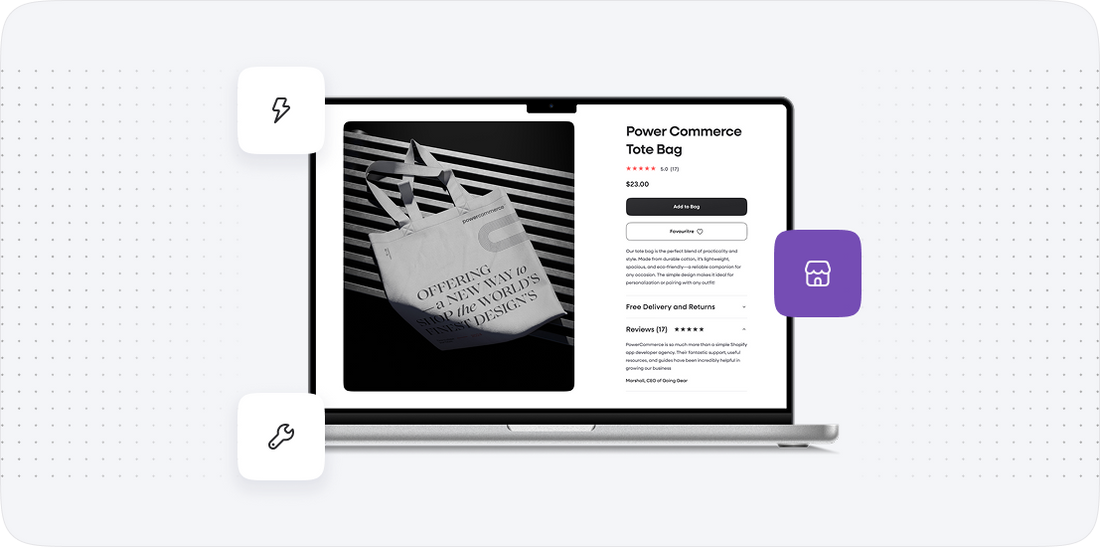
Developing a robust data migration strategy is critical to ensure that all relevant data is transferred accurately from Shopify to Commercetools. This strategy not only defines how data will be moved but also addresses the integrity and consistency of the data throughout the process.
Our approach includes the following components:
- Select Data Migration Tools: Identify and select the appropriate tools for data migration. Common options include Commercetools' Migration Tool, custom scripts, or third-party migration services. We will evaluate each option based on your specific requirements.
- Map Data Fields: Create a detailed mapping of data fields between Shopify and Commercetools. This ensures that products, customer data, and orders are matched correctly during migration.
- Plan for Data Transformation: Determine if any data transformations are necessary before migration. This could include formatting changes, merging fields, or removing duplicate entries.
- Setup Testing Environment: Establish a staging environment in Commercetools where we can test the migration process before executing it on the live environment. This helps identify any potential issues early on.
With a comprehensive data migration strategy in place, we can proceed confidently towards executing the migration while safeguarding data integrity and minimizing disruptions.
Step 4: Execute Data Migration
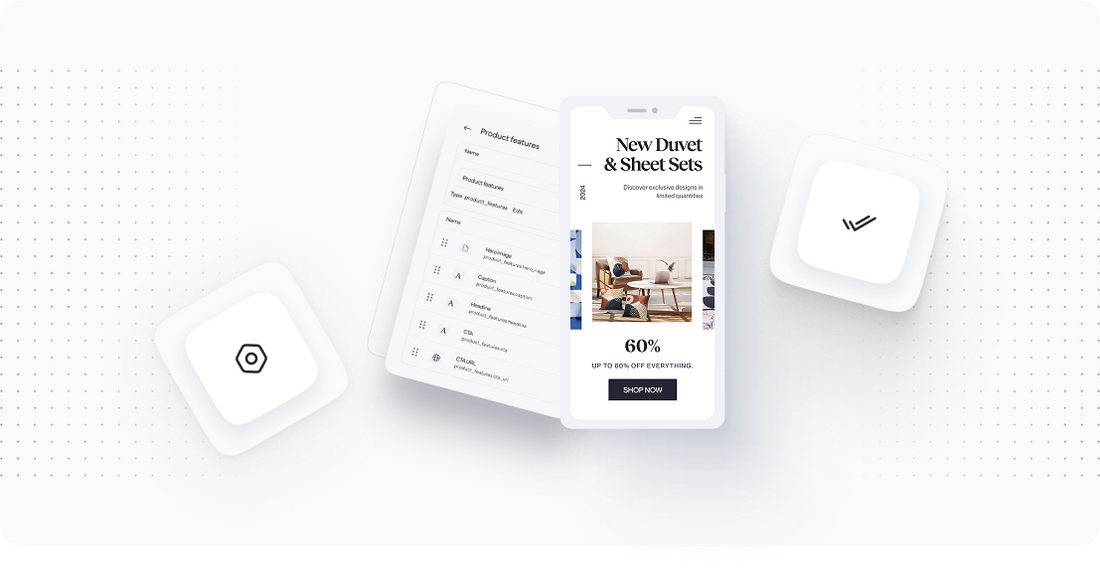
With the migration strategy defined and the tools in place, we can now execute the actual data migration from Shopify to Commercetools. This is a crucial phase where attention to detail is paramount to ensure that all data is transferred accurately and securely.
We will follow these steps during the migration:
- Backup Existing Data: Before the migration begins, we will take an additional backup of your Shopify store to safeguard against any data loss during the transfer.
- Perform Initial Migration: Using the selected data migration tool, initiate the transfer of product data, customer information, and order history. This could be done in batches to minimize the load on the Commercetools platform.
- Monitor Migration Process: Continuously monitor the migration process for any errors or issues. Utilize logging features in the migration tool to track progress and identify problems.
- Validate Data Integrity: After the migration is complete, conduct thorough checks to ensure that all data has been transferred accurately. This includes verifying product details, customer records, and order histories against the original data.
Executing the data migration with precision ensures that we have a fully functional Commercetools environment populated with all necessary data, ready for the next steps.
Step 5: Configure Commercetools Storefront
Once the data migration is complete, the next step is to configure your Commercetools storefront. This is vital for ensuring that your online presence reflects your brand identity and provides an optimal shopping experience for your customers.
The following elements will be addressed during this configuration phase:
- Design Customization: Utilize Commercetools’ headless capabilities to customize the frontend of your store. This may involve working with developers to create a unique user interface that aligns with your branding.
- Set Up Product Catalog: Ensure that all products are properly categorized, tagged, and searchable within the Commercetools platform. This will improve the user experience during product discovery.
- Implement Pricing and Promotions: Set up pricing rules, discounts, and promotional campaigns within Commercetools to match your marketing strategies. This includes configuring any complex pricing structures if applicable.
- Integrate Payment and Shipping Options: Configure the available payment gateways and shipping methods to ensure a smooth checkout process. Make sure to test these configurations to prevent issues during the live launch.
Through careful configuration and customization of the storefront, we ensure that your Commercetools environment is fully prepared for your customers, enhancing their shopping experience.
Step 6: Testing and Quality Assurance
After configuring your Commercetools storefront, it is critical to conduct thorough testing and quality assurance. This step helps to identify any issues or discrepancies that may have occurred during migration and ensures that the platform operates as intended.
Our testing process encompasses the following:
- Functional Testing: Test all functionalities, including product search, filtering, checkout process, and payment processing. Ensure that each aspect of the customer journey is seamless.
- Data Integrity Checks: Verify that all migrated data (products, customers, orders) matches the original data from Shopify. This may involve sampling data for comparison.
- Performance Testing: Assess the loading speed and performance of the storefront to ensure that it meets customer expectations, especially during peak traffic times.
- User Acceptance Testing (UAT): Conduct UAT with a group of users to gather feedback on their experience using the new Commercetools storefront. This feedback will help us make necessary adjustments before the official launch.
By thoroughly testing the migrated store, we can address any issues proactively, ensuring a smooth and successful launch.
Step 7: Launch and Monitor Performance
The final step in our migration process is to launch your new Commercetools store and closely monitor its performance. This is an exciting moment, but it also requires careful oversight to ensure everything functions correctly after the transition.
During the launch phase, we will undertake the following actions:
- Prepare for Go-Live: Double-check all configurations, integrations, and settings to ensure that the store is ready for public access.
- Launch the Store: Make your Commercetools store live by pointing your domain to the new platform and ensuring all URLs are correctly redirected from the old Shopify store.
- Monitor Traffic and Performance: Use analytics tools to monitor website traffic, sales performance, and user behavior immediately after launch. Look for any anomalies or issues that may arise.
- Gather Customer Feedback: Encourage customers to provide feedback on their shopping experience. This will help us identify any areas for improvement shortly after launching.
- Ongoing Optimization: Based on performance data and customer feedback, continue to optimize the store for better performance, user experience, and conversion rates.
By diligently monitoring the store post-launch, we can quickly address any potential issues and ensure that your new Commercetools store provides the desired outcomes for your business.
Power Your Step - Get in Touch
Are you ready to take the next step in your ecommerce journey? At PowerCommerce, we empower ambitious brands with cutting-edge migration solutions tailored to your specific needs. Our expert team is here to guide you through every phase of the migration process, ensuring a seamless transition from Shopify to Commercetools.
Don't leave your migration to chance. Partner with us to minimize downtime, maximize performance, and enhance your online store’s capabilities. We offer risk-free consultations and flexible pricing options designed to fit your business.
To get started, follow these simple steps:
- Visit our contact form to submit your inquiry.
- Call us directly at 800-099-9090 for immediate assistance.
- Email us at [email protected] to discuss your migration needs in detail.
Let’s power your ecommerce ambitions together!

Unlock dedicated support to shape an incredible future with solutions crafted for scale and innovation.
Let's WorkStay aligned on what's happening in the commerce world


Trusted by 1000+ innovative companies worldwide
Schedule Your Migration Today
For businesses prioritizing simplicity, scalability, and robust support, Shopify is the clear winner.
Looking to migrate without hassle? Power Commerce can handle the entire process, ensuring smooth data transfer, store setup, and post-launch success.
Marka Marulića 2, Sarajevo, 71000 BiH
[email protected]