






The hut group to Salesforce commerce cloud
Migrating your store from The hut group to Salesforce commerce cloud might seem daunting, but with proper planning and the right tools, it's a smooth process. Follow this step-by-step guide to ensure a successful transition.
Schedule a call
The Hut Group to Salesforce Commerce Cloud Migration Guide
Step 1: Initial Assessment and Planning
In this step, we conduct a thorough assessment of your current ecommerce setup on The Hut Group and identify key requirements for the migration to Salesforce Commerce Cloud.
Step 2: Data Backup and Preparation
In preparation for migration, we back up all data from The Hut Group to ensure no information is lost during the transfer.
Step 3: Data Migration to Salesforce Commerce Cloud
We will execute the actual migration of data from The Hut Group to Salesforce Commerce Cloud, ensuring all elements are accurately transferred.
Step 4: Configuration of Salesforce Commerce Cloud
Post-migration, we will configure and optimize Salesforce Commerce Cloud to align with your brand's needs and operational goals.
Step 5: Testing the Migration
We conduct thorough testing to ensure that all functionalities work correctly in the new Salesforce Commerce Cloud environment.
Step 6: Launch and Monitoring
Following successful testing, we will launch the new platform and monitor its performance closely to ensure a smooth transition.
Power Your Step - Get in Touch
Ready to embark on your migration to Salesforce Commerce Cloud? Contact PowerCommerce for expert support.
Step 1: Initial Assessment and Planning
Before initiating the migration process, it is crucial to conduct an in-depth assessment of your current ecommerce environment on The Hut Group. This assessment serves as the foundation for a successful migration to Salesforce Commerce Cloud. By understanding your existing setup, we can identify specific needs, potential challenges, and the best strategies to employ during the migration.
The goals of this step include:
- Evaluating the current platform's features, functionalities, and limitations.
- Identifying the data to be migrated, including products, customers, orders, and analytics data.
- Assessing third-party integrations and customizations that need to be replicated in Salesforce Commerce Cloud.
- Setting clear objectives for the migration, including expected timelines and success metrics.
To begin, we will gather information through a series of interviews and surveys with your team to understand the current workflows and pain points. This collaborative approach ensures that we capture all necessary details to inform our migration strategy.
Once we have a solid understanding of your existing environment, we will create a detailed migration plan that outlines the steps, timelines, and resources required to ensure a smooth transition to Salesforce Commerce Cloud. This plan will serve as a roadmap throughout the migration process.
Step 2: Data Backup and Preparation
Data integrity is paramount during the migration process. Before we begin the actual migration, we will perform a comprehensive backup of all data currently stored on The Hut Group. This step is essential to safeguard against any potential data loss during the migration process.
Here’s how we will proceed:
- Backup Data: We will create backups for all critical data types, including:
- Product Data: Ensure all product listings, descriptions, images, and categories are backed up.
- Customer Data: Back up customer accounts, order histories, and preferences.
- Order Data: Archive all past and pending orders to maintain transaction history.
- Choose Backup Method: We recommend using secure methods for backing up data, such as:
- Database exports in formats like CSV or XML.
- Utilizing cloud storage solutions for secure backup.
- Verify Backup Completion: After completing the backup, we will verify the integrity of the data by performing checks to ensure that no information is corrupted or missing.
This backup will not only protect your data but also serve as a reference point should we need to restore any information during or after the migration process.
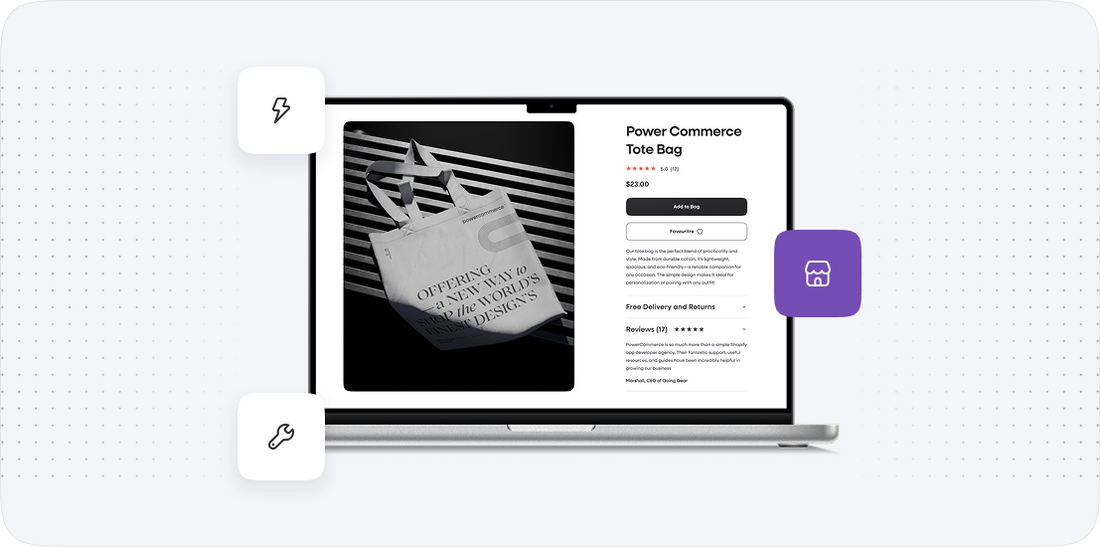
Step 3: Data Migration to Salesforce Commerce Cloud
With a successful backup completed, we can now begin migrating data to Salesforce Commerce Cloud. This step involves transferring all identified data while ensuring its integrity and accuracy throughout the process.
The migration process will include the following key actions:
- Data Mapping: We will map the data fields from The Hut Group to their corresponding fields in Salesforce Commerce Cloud. This mapping ensures that all data is placed correctly in the new platform.
- Data Transfer: Using automated tools, we will facilitate the transfer of:
- Products and their attributes, including pricing and inventory levels.
- Customer accounts, ensuring all relevant information is retained.
- Order histories to maintain continuity in customer service.
- Testing Data Integrity: After migration, we will rigorously test the transferred data to confirm that:
- No data has been lost or corrupted during the transfer.
- All product listings appear correctly with associated images and descriptions.
- Customer accounts are accessible and functional.
By methodically executing the migration, we set the stage for a robust platform that will support your business moving forward. Regular updates and communication with your team will be maintained to ensure transparency and address any concerns.
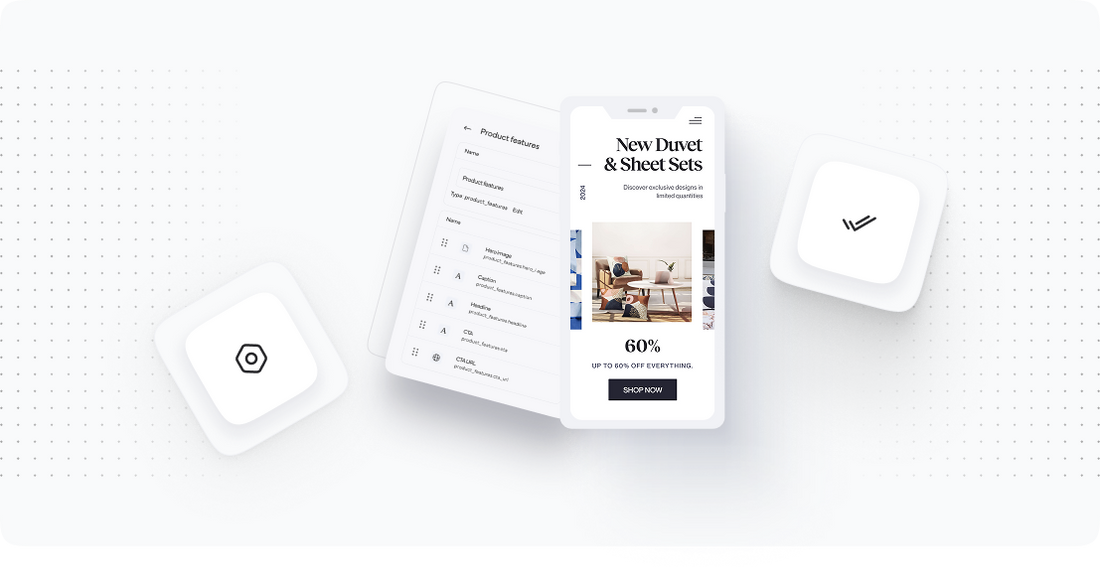
Step 4: Configuration of Salesforce Commerce Cloud
After successfully migrating data, the next step is to configure Salesforce Commerce Cloud to align with your brand's specific requirements and operational goals. This configuration phase is crucial for ensuring that the platform effectively supports your ecommerce strategies.
Key activities in this step include:
- Set Up User Roles and Permissions: We will define user roles within Salesforce Commerce Cloud, ensuring that team members have appropriate access levels based on their responsibilities.
- Customize the User Interface: Tailor the storefront design and layout to reflect your brand identity. This may involve:
- Customizing themes and templates to create a unique shopping experience.
- Configuring navigation menus for easy access to products and categories.
- Integrate Payment and Shipping Solutions: We will configure payment gateways and shipping options to ensure customers can complete transactions smoothly. This includes:
- Setting up payment processing solutions that comply with PCI standards.
- Integrating shipping providers and configuring shipping options based on customer locations.
- Enable Marketing Tools: Activate and configure built-in marketing features such as:
- Promotional tools for creating discounts and special offers.
- Email marketing integrations to communicate with customers effectively.
By configuring Salesforce Commerce Cloud in alignment with your business goals, we ensure that the platform not only meets your current needs but is also flexible enough to adapt as your business evolves.
Step 5: Testing the Migration
Testing is a critical phase in the migration process, allowing us to identify and rectify any issues before the platform goes live. We will conduct comprehensive testing across various aspects of the Salesforce Commerce Cloud environment.
The testing process will include the following:
- Functional Testing: We will verify that all functionalities work as intended, including:
- Product searches and filtering options.
- Shopping cart operations, including adding/removing items.
- Checkout processes for different payment methods.
- Data Integrity Checks: We will ensure that all data transferred correctly and that:
- Product information is accurate and complete.
- Customer accounts are intact and accessible.
- Order histories reflect accurate transaction records.
- Performance Testing: Testing will also focus on the platform's performance under load, evaluating:
- Page loading times and responsiveness.
- System stability during peak traffic scenarios.
- Usability Testing: We will gather feedback from selected users to assess the user experience. This includes:
- Navigational ease and findability of products.
- Overall satisfaction with the shopping experience.
Through rigorous testing, we will ensure that Salesforce Commerce Cloud is fully functional and ready to provide an exceptional shopping experience for your customers.
Step 6: Launch and Monitoring
After thorough testing and necessary adjustments, we are ready to launch the Salesforce Commerce Cloud platform. This phase marks the culmination of our migration efforts and requires careful execution to ensure a seamless transition.
The launch strategy will involve the following components:
- Go-Live Preparation: We will prepare for the go-live event by:
- Communicating with your team about the launch timeline and expectations.
- Setting a specific launch date and time, preferably during off-peak hours to minimize impact.
- Post-Launch Monitoring: After the launch, we will closely monitor the platform’s performance, focusing on:
- Website uptime and loading speeds.
- User interactions and transaction success rates.
- Identifying and addressing any immediate issues that may arise.
- Gathering Feedback: We will solicit feedback from users about their experience on the new platform, looking for insights into:
- Usability issues or obstacles encountered.
- Suggestions for further enhancements or features.
This proactive approach ensures that any potential problems are addressed swiftly, allowing your business to operate smoothly on the new platform. Our ongoing support and monitoring will help maintain optimal performance and customer satisfaction.
Power Your Step - Get in Touch
If you're looking to leverage our expertise for a seamless migration to Salesforce Commerce Cloud, we're here to help. Our team is dedicated to ensuring a smooth transition while minimizing any disruptions to your business.
Contact Us Today:
- Visit our contact form to send us your details.
- Call us at 800-099-9090 for immediate assistance.
- Email us at [email protected] to discuss your migration needs.
We look forward to partnering with you to unlock your ecommerce potential with Salesforce Commerce Cloud!

Unlock dedicated support to shape an incredible future with solutions crafted for scale and innovation.
Let's WorkStay aligned on what's happening in the commerce world


Trusted by 1000+ innovative companies worldwide
Schedule Your Migration Today
For businesses prioritizing simplicity, scalability, and robust support, Shopify is the clear winner.
Looking to migrate without hassle? Power Commerce can handle the entire process, ensuring smooth data transfer, store setup, and post-launch success.
Marka Marulića 2, Sarajevo, 71000 BiH
[email protected]