






Scayle to Shopify
Migrating your store from Scayle to Shopify might seem daunting, but with proper planning and the right tools, it's a smooth process. Follow this step-by-step guide to ensure a successful transition.
Schedule a call
Step-by-Step Migration Guide: SCAYLE to Shopify Migration Guide
Step 1: Preparing for Migration
In this initial step, we assess the current state of your SCAYLE store, ensuring all necessary data is accounted for and backed up, as well as preparing the Shopify environment for incoming data.
Step 2: Exporting Data from SCAYLE
This step focuses on extracting all necessary data from SCAYLE, ensuring it is formatted correctly for Shopify's requirements, and preparing it for import.
Step 3: Importing Data into Shopify
We will now import the previously exported SCAYLE data into Shopify, ensuring that all data is mapped correctly to Shopify’s structure and settings.
Step 4: Setting Up Shopify Store Configuration
After data import, we will configure your Shopify store settings, including payment gateways, shipping options, and tax settings, to ensure full functionality.
Step 5: Customizing Your Shopify Store Design
In this step, we will customize the appearance of your Shopify store, selecting themes and adding necessary design elements to reflect your brand identity.
Step 6: Testing Your Shopify Store
In this pivotal step, we will conduct thorough testing of your Shopify store, ensuring all functionalities work as intended before going live.
Step 7: Launching Your Shopify Store
We are now ready to launch your Shopify store, making it publicly accessible and ensuring your customers can start shopping without any issues.
Power Your Step - Get in Touch
Ready to start your migration journey? Contact PowerCommerce for expert support in migrating from SCAYLE to Shopify.
Step 1: Preparing for Migration
Before initiating the migration from SCAYLE to Shopify, it is crucial to undertake thorough preparation to ensure a seamless transition. This preparation phase involves several critical actions that lay the groundwork for successful data transfer.
First, we begin by conducting a comprehensive audit of your existing SCAYLE store. This audit helps us identify all the data types that need to be migrated, including products, customer information, order history, and any custom functionalities that may be in use. The objective is to ensure that no vital data is overlooked during the migration process.
- Data Inventory: Create a detailed list of all data entities, including:
- Products (descriptions, pricing, inventory levels)
- Customer data (names, addresses, previous orders)
- Order history (transaction details)
- Content (blogs, pages, etc.)
- Backup Data: Implement a secure backup of your SCAYLE store data. This ensures that you can restore any lost information if issues arise during the migration:
- Use tools like
phpMyAdminfor database backups. - Export product and order data in CSV format for safe keeping.
- Set Up Shopify Account: Create a Shopify account if not already done. Choose a plan that meets your business needs and configure basic settings such as payment gateways and shipping options.
By completing these preparatory steps, we ensure that we have a clear understanding of what needs to be migrated and that all data is securely backed up.
Step 2: Exporting Data from SCAYLE
With our preparation complete, the next step involves exporting data from your SCAYLE store. This process is vital as it ensures that all relevant information is correctly formatted for smooth import into Shopify.
We start by utilizing SCAYLE's export functionalities to retrieve the data. Depending on the data type, we may use different methods:
- Products: Use the SCAYLE admin panel to export product listings. Ensure to include:
- Product names
- Descriptions
- Prices
- Images
- Inventory counts
- Customers: Export customer data, ensuring to maintain privacy and compliance. This data should include:
- Customer names
- Email addresses
- Shipping addresses
- Orders: Extract order history data, capturing all relevant transaction details:
- Order IDs
- Product details
- Payment statuses
After exporting, it's essential to format the data into CSV files that align with Shopify's import requirements. We must ensure that all fields are correctly labeled to prevent errors during the import process.
Once exported and formatted, we conduct a quality check to verify that all data is accurate and complete before proceeding to the next step.
Step 3: Importing Data into Shopify
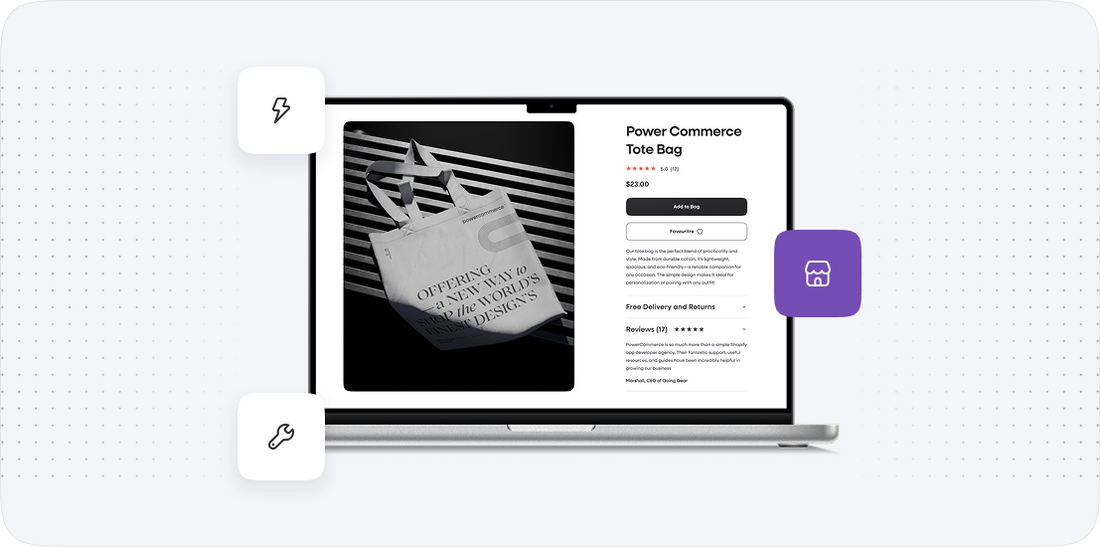
Having successfully exported and formatted your data from SCAYLE, we now turn our attention to importing this data into your new Shopify store. This critical step involves ensuring that all data is correctly mapped to Shopify's framework to maintain data integrity.
We start by logging into the Shopify admin panel and navigating to the Products section to begin the import process:
- Importing Products: Utilize Shopify's import tool to upload the CSV file containing the product data. During this process, we ensure that:
- All product variants are correctly linked to their parent products.
- Images are uploaded to the correct products, either via direct upload or by linking from the original SCAYLE exports.
- Importing Customers: Next, we proceed to the Customers section to import customer data:
- Upload the CSV file and confirm that all customer information is accurately captured.
- Ensure that passwords are reset if they cannot be imported due to security protocols.
- Importing Orders: Finally, we import the order history into the Orders section:
- Use the appropriate CSV format to ensure order details align with Shopify's structure.
- Check for any discrepancies in order statuses, ensuring they reflect accurately in Shopify.
Throughout the import process, we keep a close eye on potential errors and rectify them as they arise, maintaining a focus on data accuracy and completeness.
Step 4: Setting Up Shopify Store Configuration
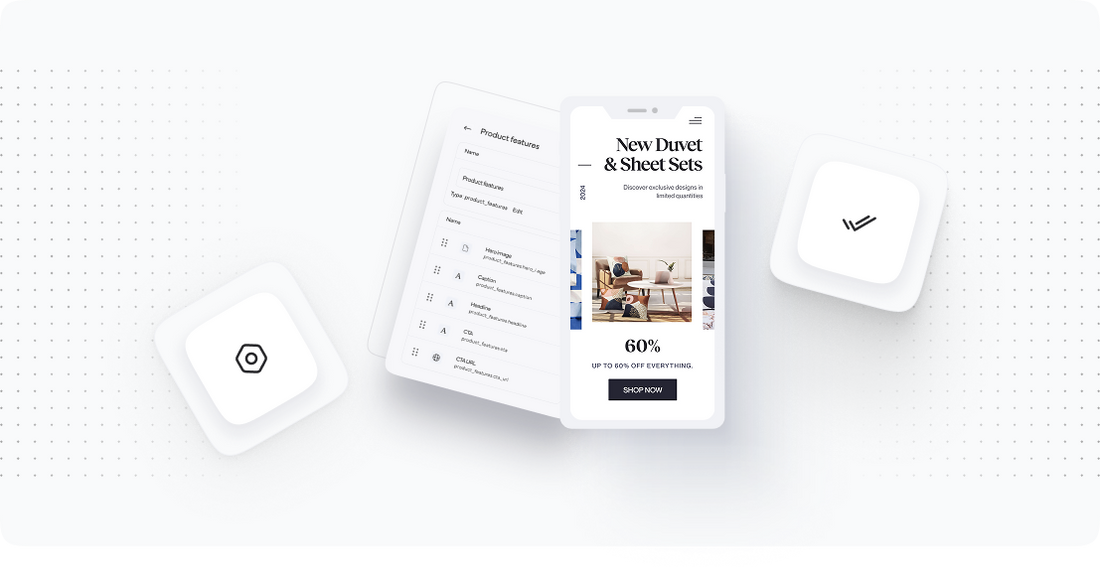
With all data successfully imported into Shopify, we now focus on configuring the store settings to ensure it functions optimally and meets your business needs. This step is crucial for establishing a seamless shopping experience for your customers.
First, we navigate to the Settings section of the Shopify admin panel, where we can configure several key areas:
- Payment Gateways: Set up the payment options that will be available to customers:
- Select preferred payment providers such as Shopify Payments, PayPal, or others.
- Ensure that merchant accounts are configured and linked to your Shopify store.
- Shipping Settings: Configure shipping methods and rates:
- Define shipping zones based on your target markets.
- Set shipping rates, including flat rates, calculated rates, or free shipping options.
- Tax Settings: Ensure tax rates are accurately set:
- Configure tax settings based on your business location and where you will be selling.
- Ensure compliance with regional tax regulations.
After these configurations, we conduct test transactions to verify that the payment and shipping processes function correctly, ensuring a smooth experience for your customers.
Step 5: Customizing Your Shopify Store Design
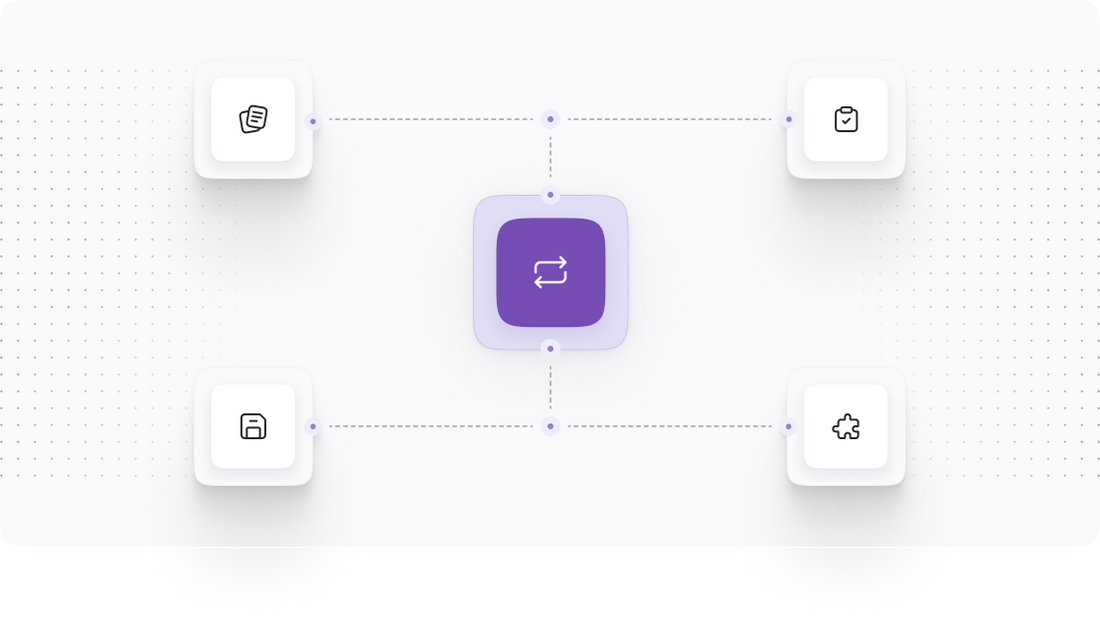
At this stage of the migration, we focus on customizing your Shopify store to ensure that it aligns with your brand identity and delivers an engaging shopping experience. The design of your store plays a vital role in customer perception and conversion rates.
We start by selecting a theme from Shopify's extensive theme store:
- Selecting a Theme: Choose a theme that best suits your brand’s aesthetics and functionality requirements:
- Consider themes that are responsive and optimized for mobile devices.
- Review theme demos to gauge how they will display your products and content.
- Customizing the Theme: Once a theme is selected, we customize it to reflect your brand:
- Add your logo, adjust color schemes, and modify typography to maintain brand consistency.
- Configure homepage layout, product pages, and other key sections to enhance user experience.
- Adding Necessary Apps: Enhance store functionality by integrating apps that support your business needs:
- Utilize apps for SEO optimization, email marketing, and social media integration.
- Consider apps that enhance customer engagement, such as reviews and loyalty programs.
Through thoughtful customization, we ensure that your Shopify store not only looks professional but also provides an intuitive shopping experience for your customers.
Step 6: Testing Your Shopify Store
Before launching your Shopify store, it is imperative to conduct comprehensive testing to ensure that all functionalities operate smoothly. This step is vital for minimizing potential issues that could affect customer experience post-launch.
We begin by performing several types of tests:
- Functional Testing: Verify that all store functionalities work as intended:
- Test the checkout process, ensuring that all payment methods function correctly.
- Check the shipping options and rates to confirm they are applied accurately.
- Data Integrity Testing: Ensure that all imported data is accurate:
- Verify that product descriptions, images, and pricing are correct.
- Check customer records and order history for consistency.
- Responsive Testing: Assess how your store performs on different devices:
- Test the layout and user experience on mobile, tablet, and desktop devices.
- Ensure that all design elements and functionalities are responsive across devices.
After completing these tests, we rectify any issues identified, ensuring that your store is fully operational and ready for launch.
Step 7: Launching Your Shopify Store
With all preparations, configurations, and testing successfully completed, we approach the final step: launching your Shopify store. This moment is significant as it marks the transition from SCAYLE to Shopify, making your store accessible to customers.
Prior to the launch, we ensure the following tasks are completed:
- Final Review: Conduct a final review of all configurations and settings:
- Double-check payment options, shipping settings, and tax configurations.
- Ensure that all product listings are accurate and complete.
- SEO Optimization: Implement basic SEO practices to enhance visibility:
- Set up meta titles and descriptions for important pages.
- Ensure that URLs are structured correctly for search engines.
- Go Live: Once everything is confirmed, we proceed to launch your store:
- Remove any password protection on your Shopify store.
- Announce the launch to your audience through email and social media.
After launching, we monitor the store closely for any immediate issues and ensure that everything functions as intended to provide your customers with a seamless shopping experience.
Power Your Step - Get in Touch
At PowerCommerce, we understand that migrating your ecommerce store is a significant step towards enhancing your online business. Our team of experts is here to ensure that your transition from SCAYLE to Shopify is seamless and efficient.
Don’t leave your migration to chance; partner with us for:
- Expert guidance throughout the entire migration process.
- Assurance of data integrity and security during the transfer.
- Post-migration support to optimize your new Shopify store.
Contact us today to get started! Here’s how:
- Visit our contact page: PowerCommerce Contact
- Call us directly at 800-099-9090
- Email us at [email protected]
Our dedicated team is ready to assist you in powering your ecommerce success!

Unlock dedicated support to shape an incredible future with solutions crafted for scale and innovation.
Let's WorkStay aligned on what's happening in the commerce world


Trusted by 1000+ innovative companies worldwide
Schedule Your Migration Today
For businesses prioritizing simplicity, scalability, and robust support, Shopify is the clear winner.
Looking to migrate without hassle? Power Commerce can handle the entire process, ensuring smooth data transfer, store setup, and post-launch success.
Marka Marulića 2, Sarajevo, 71000 BiH
[email protected]