






Shopify to Base
Migrating your store from Shopify to Base might seem daunting, but with proper planning and the right tools, it's a smooth process. Follow this step-by-step guide to ensure a successful transition.
Schedule a call
Step-by-Step Migration Guide: Shopify to BASE migration guide
Step 1: Initial Preparation and Planning
In this step, we will outline the critical preparations necessary for a seamless migration from Shopify to BASE, ensuring that all teams are aligned and informed about the migration process.
Step 2: Data Backup and Export
This step focuses on backing up and exporting essential data from Shopify, ensuring that no vital information is lost during the migration process.
Step 3: Import Data to BASE
In this step, we will import the previously exported data into the BASE platform, ensuring that all information is accurately transferred.
Step 4: Rebuild Operations and Automations
This step involves setting up operational workflows and automations within BASE to replicate and enhance our previous Shopify setup.
Step 5: Document and Contract Management
In this step, we will ensure all contracts and documentation are updated and that any necessary agreements with third-party services are in place.
Step 6: Testing and Validation
Perform thorough testing to validate all functionalities in BASE, ensuring that everything operates smoothly before the final launch.
Step 7: Launch and Post-Launch Monitoring
Finally, we will launch the new BASE store and implement a monitoring plan to track performance and customer feedback post-launch.
Power Your Step - Get in Touch
Ready to make your migration seamless? Contact PowerCommerce for expert support tailored to your ecommerce needs.
Step 1: Initial Preparation and Planning
Before we embark on the migration journey, it's essential to conduct thorough preparations and planning. This foundational step is crucial as it sets the stage for a successful migration with minimal disruption. We need to gather all key stakeholders, including developers, marketers, and customer support personnel, to discuss the migration objectives and timelines. The primary goal here is to ensure that everyone understands the scope of the migration and their respective roles in the process.
We recommend creating a detailed migration plan that encompasses the following:
- Define Migration Objectives: Clearly outline what we aim to achieve with the migration. Are we looking to improve site speed, enhance user experience, or add new functionalities? Setting specific, measurable goals will guide our efforts.
- Stakeholder Engagement: Identify and engage with all relevant parties who will be impacted by the migration. This includes team members from IT, marketing, sales, and customer service.
- Timeline Creation: Develop a realistic timeline that includes all critical milestones from preparation to launch. Each phase of the migration should have designated completion dates.
- Risk Assessment: Evaluate potential risks associated with the migration, such as data loss or downtime, and plan mitigating strategies accordingly.
By taking the time to properly plan and prepare during this initial phase, we ensure that our migration to BASE will be organized and efficient, ultimately leading to a smoother transition.
Step 2: Data Backup and Export
Data integrity is paramount when migrating from Shopify to BASE. Before we start moving any data, we must perform a comprehensive backup of our current Shopify store. This backup will serve as a fail-safe, allowing us to revert to the original state should any issues arise during the migration.
Here’s how we can effectively back up and export our data:
- Access Shopify Admin: Log into your Shopify admin panel and navigate to the 'Settings' section.
- Export Data: We should export various data types, including:
- Products: Go to the 'Products' section, select all products, and choose the 'Export' option to download a CSV file.
- Orders: Similarly, navigate to the 'Orders' section and export all order data.
- Customers: Access the 'Customers' section and export customer lists.
- Backup Themes and Files: Download your current theme files and any media files stored in Shopify. This can be done by going to 'Online Store' > 'Themes' and selecting 'Actions' > 'Download' for your active theme.
- Document Current Settings: Take screenshots or notes on current settings, configurations, and any third-party apps in use, as this will help replicate your environment on BASE.
Once we have completed the backup and export process, we will have a secure copy of our Shopify data, which will be vital for the next steps in the migration process.
Step 3: Import Data to BASE
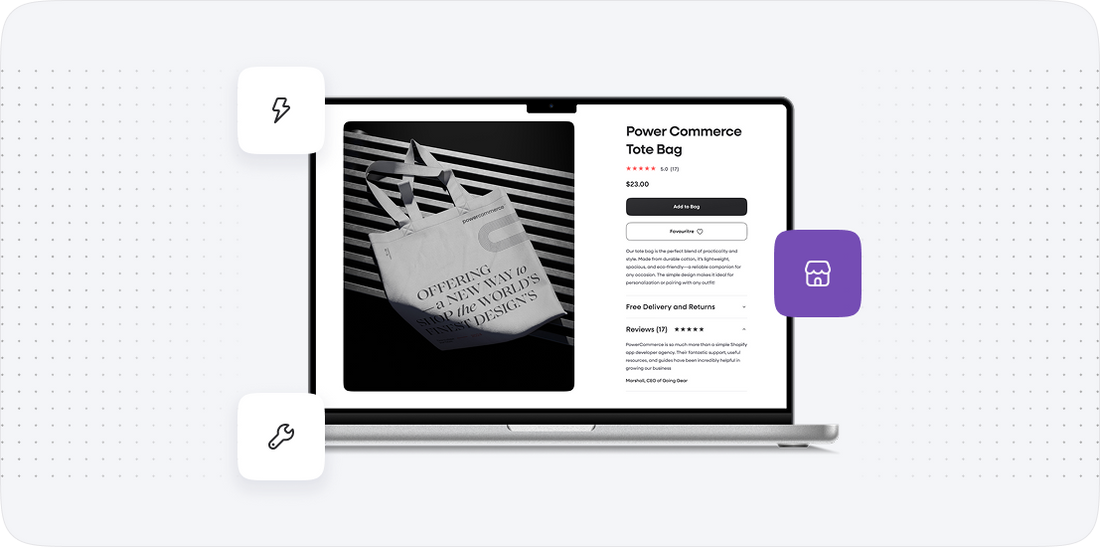
With our data securely backed up from Shopify, we can now proceed to import this data into the BASE platform. This step is critical as it ensures that all essential information is accurately transferred to the new system, maintaining continuity in our operations.
Here’s a detailed procedure for importing data into BASE:
- Log into BASE: Access your BASE account dashboard and navigate to the data import section.
- Use Import Tools: BASE typically provides import tools or features that facilitate data migration. We will utilize these tools to upload our previously exported CSV files.
- Import Products: Start with product data. Upload the CSV file containing our products and ensure that all product attributes (like price, SKU, descriptions, etc.) are correctly mapped to the corresponding fields in BASE.
- Import Customers and Orders: Next, we will import the customer data followed by order data. Each import should be validated to ensure that no data is lost or incorrectly formatted.
- Verify Data Integrity: After importing, we must check for any discrepancies. Review the imported data for accuracy, ensuring that all products, orders, and customer information reflect what was originally in Shopify.
Once we confirm that all data has been successfully imported and is accurate, we can move on to rebuilding our operational workflows and integrations in BASE.
Step 4: Rebuild Operations and Automations
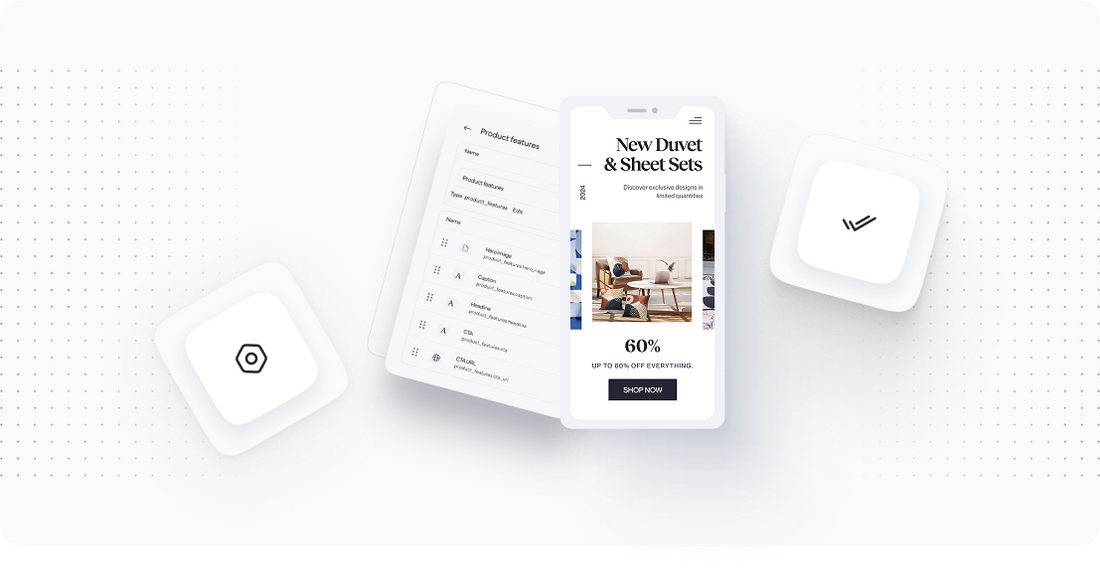
With our data successfully imported into BASE, the next step is to rebuild our operational workflows and automations. This is crucial for ensuring that the new platform functions seamlessly and efficiently, just as our previous setup did.
Here’s how we will approach this:
- Identify Key Workflows: Review the operational processes that were in place on Shopify. Identify any workflows that are essential for day-to-day operations, including order processing, inventory management, and customer service protocols.
- Configure Automations: BASE offers various automation features that can streamline our operations. We will set up automations for:
- Order confirmation emails
- Inventory updates
- Customer follow-ups post-purchase
- Integrate Third-Party Apps: If we were using specific apps in Shopify for functions like email marketing or analytics, we need to find equivalent solutions within BASE. The app ecosystem around BASE should be explored to identify suitable replacements.
- Test Workflows: Before going live, we will rigorously test all workflows and automations to ensure they function as intended. This testing phase is critical to identify any potential issues before we launch the site.
Rebuilding our operations and automations effectively will enable us to maintain operational efficiency and enhance overall performance on BASE.
Step 5: Document and Contract Management
As we transition to BASE, it's vital to ensure that all documentation and contracts related to our online store are updated. This includes agreements with third-party service providers, payment processors, and logistics partners.
The following procedures will help us manage documentation and contracts effectively:
- Review Existing Contracts: Gather all existing contracts related to our ecommerce operations. This includes payment gateways, shipping providers, and any third-party applications we intend to use on BASE.
- Update Agreements: Reach out to service providers to update or renegotiate contracts as necessary. Ensure that all terms reflect our move to BASE and any new requirements we may have.
- Create New Documentation: If we have new processes in place or have adopted new tools on BASE, create documentation that outlines these changes. This will serve as a reference for team members and help maintain consistency in operations.
- Maintain Compliance: Ensure that all legal and compliance considerations are addressed. This may include updating privacy policies in line with BASE’s functionalities and data handling practices.
By managing our documentation and contracts diligently, we can ensure a smooth operational transition and maintain strong relationships with our service providers.
Step 6: Testing and Validation
Before we officially launch our new BASE store, thorough testing and validation are essential. This step will help us identify and rectify any potential issues, ensuring a seamless experience for our customers upon going live.
Here’s how we will conduct our testing:
- Functional Testing: Test all functionalities within the BASE platform to ensure everything works as intended. This includes:
- Product listings and navigation
- Checkout process
- Payment processing
- Order confirmations and notifications
- Performance Testing: Evaluate site speed and responsiveness. Tools like Google PageSpeed Insights can be utilized to benchmark performance and identify areas for improvement.
- User Acceptance Testing (UAT): Involve stakeholders and a select group of customers in testing the new site. Gather feedback on their experiences and address any concerns.
- SEO and Analytics Verification: Ensure that all SEO settings are correctly implemented, including meta tags, redirects, and analytics tracking codes. This will help maintain our search rankings and monitor site performance post-launch.
By conducting comprehensive testing, we can identify and resolve any issues before launching, providing our customers with a seamless shopping experience.
Step 7: Launch and Post-Launch Monitoring
The final step in our migration process is the launch of our new store on BASE. This is an exciting phase, but it also requires careful execution to minimize disruption and ensure everything operates smoothly.
Here’s how we will approach the launch:
- Finalize Launch Checklist: Create a launch checklist that includes all tasks that need to be completed before going live. This may include:
- Confirming all functionalities are tested
- Ensuring all documentation is updated
- Communicating with all team members regarding the launch
- Set Launch Date and Time: Choose a launch time that minimizes customer disruption, ideally during off-peak hours.
- Monitor Launch: During the launch, closely monitor site performance and user feedback. Be prepared to address any immediate issues that may arise.
- Post-Launch Review: After the launch, assess the performance of the new store. Analyze traffic data, customer feedback, and any post-launch issues. Implement any necessary changes based on this review.
By carefully managing the launch and closely monitoring the new store's performance, we can ensure a successful transition to BASE and set the stage for future growth.
Power Your Step - Get in Touch
At PowerCommerce, we specialize in providing seamless ecommerce migrations tailored to your specific needs. Our team of experts is ready to help you transition from Shopify to BASE with minimal disruption and maximum efficiency.
Here’s how to get in touch with us:
- Visit our contact page to fill out our inquiry form.
- Call us directly at 800-099-9090 for immediate assistance.
- Email us at [email protected] to discuss your migration needs in detail.
Don’t wait to enhance your ecommerce capabilities. Let PowerCommerce power your migration journey today!

Unlock dedicated support to shape an incredible future with solutions crafted for scale and innovation.
Let's WorkStay aligned on what's happening in the commerce world


Trusted by 1000+ innovative companies worldwide
Schedule Your Migration Today
For businesses prioritizing simplicity, scalability, and robust support, Shopify is the clear winner.
Looking to migrate without hassle? Power Commerce can handle the entire process, ensuring smooth data transfer, store setup, and post-launch success.
Marka Marulića 2, Sarajevo, 71000 BiH
[email protected]