









Visualsoft to Shopify
Migrating your store from Visualsoft to Shopify might seem daunting, but with proper planning and the right tools, it's a smooth process. Follow this step-by-step guide to ensure a successful transition.
Schedule a call
Step-by-Step Migration Guide: Visualsoft to Shopify Migration Guide
Step 1: Evaluate Your Current Store
In this initial step, we thoroughly assess your existing Visualsoft store to identify essential components and any customizations that need to be replicated on Shopify.
Step 2: Export Data from Visualsoft
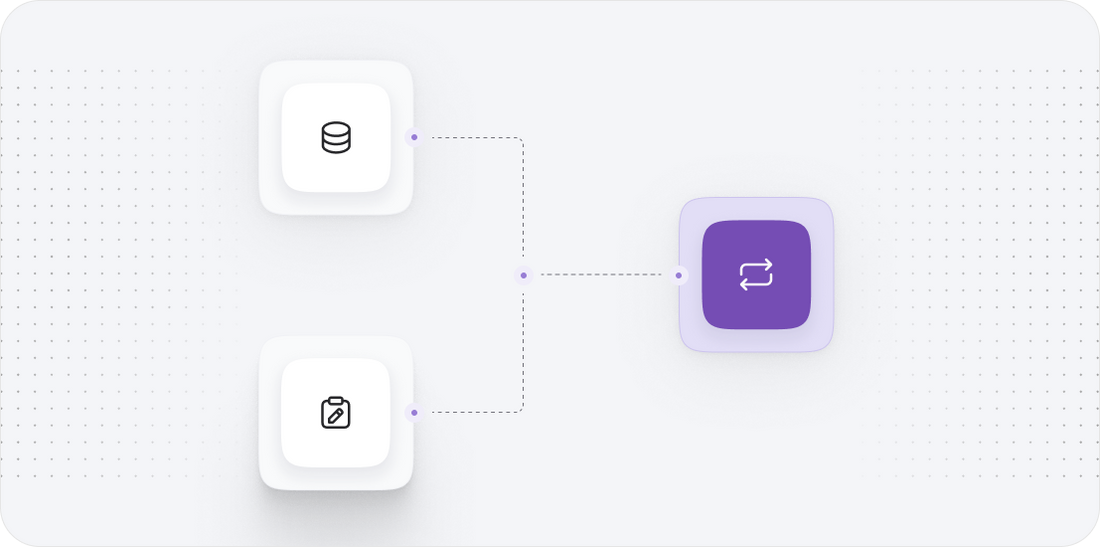
We will systematically export all relevant data from your Visualsoft platform, ensuring that key information is captured and prepared for migration.
Step 3: Prepare Your Shopify Store
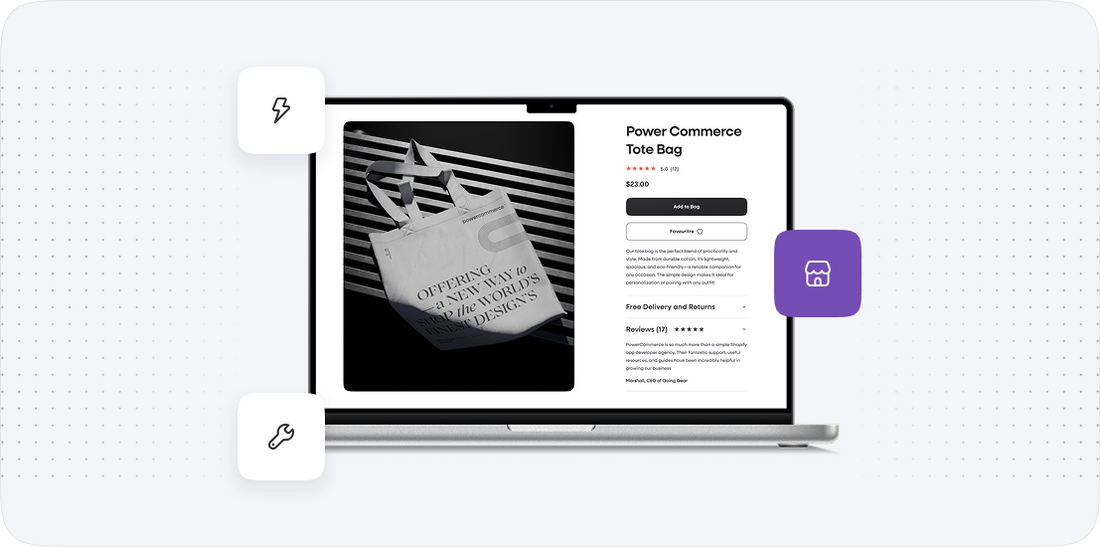
In this step, we set up your Shopify store, ensuring it is configured to receive the data from Visualsoft and tailored to your specific needs.
Step 4: Import Data into Shopify
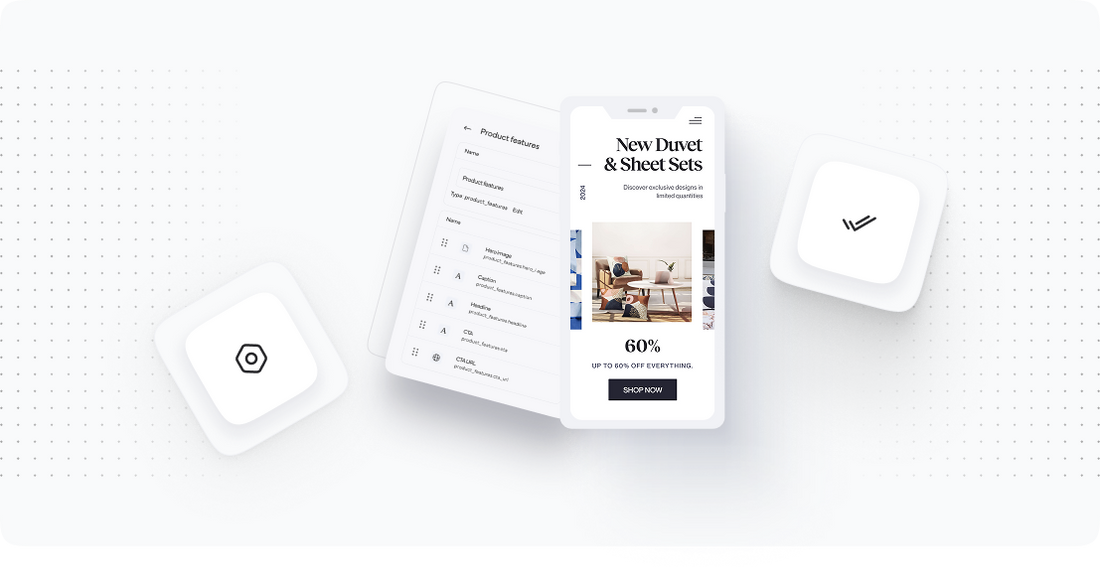
We will systematically import the previously exported data into your new Shopify store, ensuring that all data points are accurately transferred and mapped.
Step 5: Rebuild Customizations and Integrations
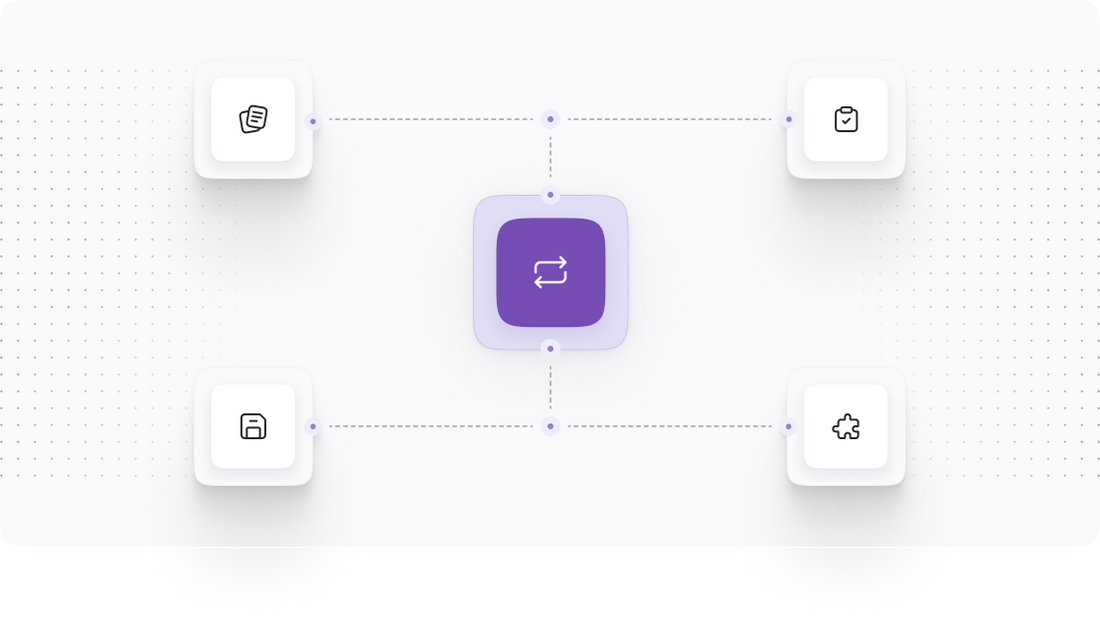
In this step, we focus on replicating any custom features or integrations from your Visualsoft store to ensure that your Shopify store meets all operational needs.
Step 6: Test and Review Your New Store
We will conduct thorough testing to ensure that your Shopify store functions correctly and meets all operational requirements before launch.
Step 7: Redirect Traffic and Inform Customers
We will set up 301 redirects and communicate the migration to your customers, ensuring a seamless transition and retaining SEO value.
Power Your Step - Get in Touch
Contact PowerCommerce today to leverage our expertise in ecommerce migration and ensure a seamless transition to Shopify.
Step 1: Evaluate Your Current Store
Before we begin the migration process, it's crucial to conduct a comprehensive evaluation of your current Visualsoft store. This assessment serves as the foundation for a successful transition to Shopify. By identifying the essential components of your store, such as product listings, customer data, order history, and existing customizations, we ensure that no vital information is lost during the migration.
We will gather the following information:
- Product Listings: Take stock of all products, including images, descriptions, pricing, and inventory levels.
- Customer Data: Compile a complete list of customers, including contact details, order histories, and preferences.
- Order History: Document all past orders, including statuses, shipping details, and payment methods.
- Customizations: Note any unique features or modifications on your Visualsoft store that need to be replicated in Shopify.
The goals of this step are to ensure that we have a clear understanding of your current setup and to prepare a detailed inventory for the migration. This will minimize potential issues and make it easier to replicate your store's functionality on Shopify.
As part of this evaluation, we will also consider your business goals and any additional features you may want to implement on Shopify that were not available on Visualsoft. This proactive approach will help us create a roadmap tailored to your specific needs and expectations.
Step 2: Export Data from Visualsoft
After evaluating your existing store, the next step involves exporting all necessary data from Visualsoft. This includes products, customers, orders, and any additional content that needs to be migrated to Shopify.
To ensure a comprehensive data export, we follow these steps:
- Access Visualsoft Admin Panel: Log in to your Visualsoft admin account and navigate to the data export section.
- Select Data Types: Choose the data types you wish to export, including:
- Product data (names, descriptions, prices, images)
- Customer information (names, emails, order history)
- Order details (product IDs, shipping information, payment methods)
- Export Formats: Export data in CSV or XML formats, which are compatible with Shopify.
- Download Files: Save the exported files to a secure location for easy access during the migration process.
During this process, we pay close attention to data integrity and ensure all necessary fields are included to maintain the functionality of your store on Shopify. We also recommend performing a quick verification of the exported files to ensure no data is missing or corrupted.
In addition, we will create a backup of your Visualsoft store data to safeguard against any unforeseen issues that might arise during the migration.
Step 3: Prepare Your Shopify Store
With your data exported from Visualsoft, the next crucial phase is to prepare your Shopify store. This preparation involves creating your Shopify account, configuring basic settings, and establishing a foundation for the migration.
We will follow these steps to ensure your Shopify store is ready:
- Create a Shopify Account: Sign up for a new Shopify account and choose a suitable plan that aligns with your business needs.
- Configure Basic Settings: Set up essential store settings, including:
- Store name and address
- Payment gateways (e.g., PayPal, Credit Card)
- Shipping settings and rates
- Choose a Theme: Select a theme that reflects your brand identity. We recommend selecting a customizable theme that allows you to implement your brand’s visual elements seamlessly.
- Install Necessary Apps: Explore the Shopify App Store to install essential applications that enhance functionality, such as SEO tools, inventory management apps, and customer support plugins.
During this step, we also ensure that your Shopify store is optimized for SEO from the outset. This includes setting up meta tags, alt text for images, and URL structures that maintain consistency with your previous store.
By preparing your Shopify store meticulously, we lay the groundwork for a smooth migration and help ensure that it functions optimally right from launch.
Step 4: Import Data into Shopify
With your Shopify store prepared, we will now proceed to import the data exported from Visualsoft. This step is critical as it ensures that all your essential information is accurately transferred to the new platform.
The data import process involves the following steps:
- Access Shopify Admin Panel: Log in to your Shopify admin account and navigate to the 'Import' section.
- Upload CSV Files: Choose the previously exported CSV files that contain your products, customers, and orders. Shopify provides templates for each data type to ensure accurate mapping.
- Map Data Fields: During the upload process, carefully map the fields from your CSV files to the corresponding fields in Shopify. This is crucial to maintain data integrity. Ensure that:
- Product names map to the correct product fields
- Customer emails map to customer accounts
- Order details correctly link to customer profiles
- Review and Confirm: Before finalizing the import, review the data mapping and confirm that all information is correctly aligned. This step minimizes the risk of errors during the import process.
- Complete the Import: Execute the import process and allow Shopify to process the data. This may take some time depending on the volume of data being imported.
Once the import is complete, we will conduct a thorough check to ensure that all data has been accurately migrated. This includes verifying product listings, customer accounts, and order histories to ensure that everything is in place for a successful store launch.
Step 5: Rebuild Customizations and Integrations
After successfully importing your data, we shift our focus to rebuilding any customizations and integrations that were present in your Visualsoft store. Replicating these features is essential to maintain the functionality and user experience of your online store.
Here’s how we approach this process:
- Identify Key Customizations: Review your Visualsoft store for any unique features, such as custom product displays, checkout processes, or customer engagement tools. Document these features for replication.
- Implement Custom Code: If your Visualsoft store utilized custom code (e.g., HTML, CSS, JavaScript), we will replicate this code in Shopify. This may include:
- Custom scripts for enhanced user experience
- CSS adjustments for styling
- Liquid code modifications for dynamic content
- Set Up Integrations: Re-establish any third-party integrations (e.g., CRM, email marketing, analytics tools) that were previously connected to your Visualsoft store. Ensure that these integrations are configured correctly to work with Shopify.
- Test Custom Features: After implementing customizations and integrations, we rigorously test each feature to ensure it functions as intended. This includes running through the checkout process, testing email notifications, and validating any custom user flows.
This step is vital for ensuring that your Shopify store operates smoothly and effectively meets the needs of your business and customers. By paying attention to these details, we set the stage for a seamless transition to your new platform.
Step 6: Test and Review Your New Store
Before launching your newly migrated Shopify store, it’s imperative to conduct comprehensive testing to ensure that everything functions correctly. This testing phase allows us to identify and rectify any issues that may arise, ensuring a smooth customer experience from day one.
The testing process involves several critical steps:
- Functional Testing: Test all functionalities of your store, including:
- Product browsing and filtering
- Shopping cart operations
- Checkout process
- Payment processing
- Shipping options and calculations
- Link Testing: Check all internal and external links to ensure that they direct users to the intended pages. This includes product pages, blog articles, and contact forms.
- Responsive Testing: Verify that your store is fully responsive across various devices--desktop, tablet, and mobile. This ensures that customers have a seamless shopping experience, regardless of their device.
- SEO Verification: Conduct an SEO audit to ensure that all meta tags, alt texts, and URL structures are correctly implemented. This helps to maintain your search engine rankings post-migration.
- Load Testing: Test your store's performance under various traffic loads to ensure it can handle peak times without issues.
By thoroughly testing your Shopify store, we can identify and address any potential issues, ensuring a successful launch and a positive customer experience. This step is crucial to minimize disruptions and reassure your customers of a smooth transition to your new platform.
Step 7: Redirect Traffic and Inform Customers
As we approach the final stages of your migration, it’s essential to implement 301 redirects and inform your customers about the transition from Visualsoft to Shopify. This step is crucial for maintaining your SEO rankings and ensuring a smooth transition for your customers.
Here’s how we execute this step:
- Set Up 301 Redirects: To preserve SEO value and prevent broken links, we establish 301 redirects from your old Visualsoft URLs to the corresponding new Shopify URLs. This ensures that:
- Any incoming traffic to old URLs is automatically redirected to the new Shopify pages.
- Search engines are informed of the permanent move, helping to maintain your search rankings.
- Inform Customers: Communicate the migration to your customers through various channels:
- Email newsletters announcing the transition and highlighting any new features on the Shopify store.
- Social media announcements to keep your audience informed.
- On-site banners on your old Visualsoft store directing customers to the new Shopify store.
- Monitor Traffic: After the migration, closely monitor your website traffic and SEO performance to ensure that the redirects are functioning correctly and that customers are successfully accessing the new store.
This final step is vital for ensuring that your migration is seamless and that your customers are aware of and excited about the new shopping experience on Shopify. By effectively managing traffic and communication, we help retain customer loyalty and search engine visibility during this transition.
Power Your Step - Get in Touch
Ready to take the next step in your ecommerce journey? Partner with PowerCommerce for a seamless Visualsoft to Shopify migration. Our team of experts is dedicated to helping you transition smoothly while maximizing your online store's performance.
We understand that each migration is unique, and we're here to provide personalized solutions tailored to your specific needs. Our commitment to integrity, customer-centricity, and data-driven decision-making ensures that you receive the highest level of service.
Contact us today:
- Fill out our contact form at PowerCommerce Contact Page.
- Call us directly at 800-099-9090.
- Email us at [email protected].
Don't let the complexities of migration hold you back. Let us power your step to a successful ecommerce future!

Unlock dedicated support to shape an incredible future with solutions crafted for scale and innovation.
Let's WorkStay aligned on what's happening in the commerce world


Trusted by 1000+ innovative companies worldwide
Schedule Your Migration Today
For businesses prioritizing simplicity, scalability, and robust support, Shopify is the clear winner.
Looking to migrate without hassle? Power Commerce can handle the entire process, ensuring smooth data transfer, store setup, and post-launch success.
Marka Marulića 2, Sarajevo, 71000 BiH
[email protected]