









Visualsoft to Amplience
Migrating your store from Visualsoft to Amplience might seem daunting, but with proper planning and the right tools, it's a smooth process. Follow this step-by-step guide to ensure a successful transition.
Schedule a call
Step-by-Step Migration Guide: Visualsoft to Amplience migration guide
Step 1: Initial Assessment and Planning
In this step, we evaluate the current Visualsoft setup, identify essential data and processes for migration, and create a comprehensive migration plan to minimize disruption.
Step 2: Data Backup and Export
This step involves creating a comprehensive backup of all essential Visualsoft data and preparing it for export to ensure no information is lost during migration.
Step 3: Setting Up Amplience Environment
In this step, we establish the Amplience environment, including configurations for content types, product catalogs, and user permissions to align with your business needs.
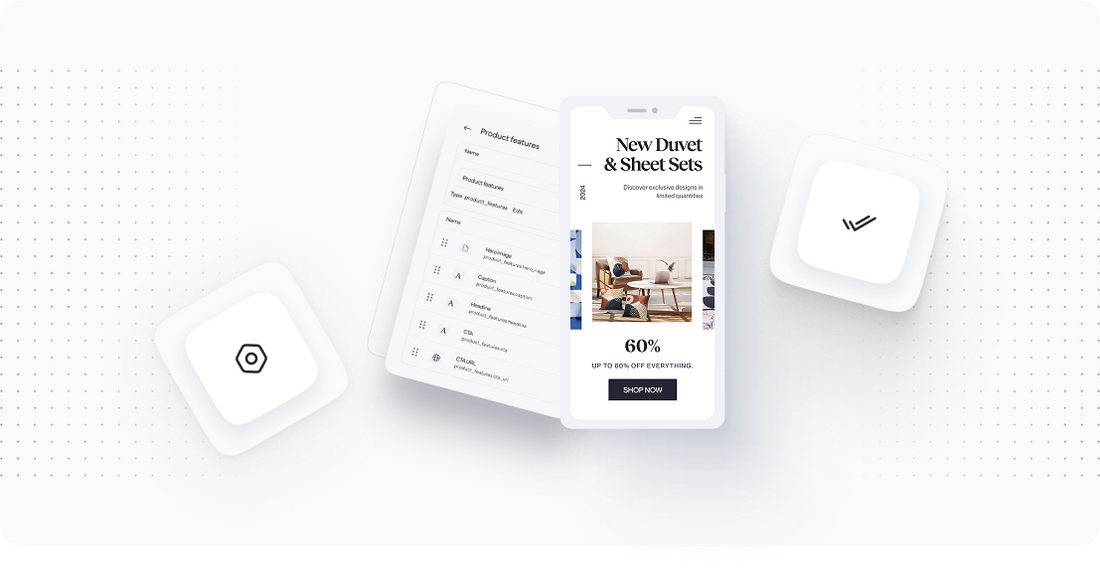
Step 4: Data Migration
This step entails the actual migration of data from Visualsoft to Amplience, ensuring all information is accurately transferred and appropriately formatted.
Step 5: Design and Template Customization
During this step, we customize the design and templates within Amplience to reflect your brand’s identity and ensure a cohesive user experience.
Step 6: Testing and Quality Assurance
This step focuses on rigorous testing of the new Amplience setup to identify and resolve any issues before going live.
Step 7: Launch and Post-Migration Support
In this final preparation step, we launch your Amplience site and provide ongoing support to address any issues and optimize the experience post-launch.
Power Your Step - Get in Touch
Ready to accelerate your ecommerce growth with a seamless migration? Contact PowerCommerce to leverage our expert support.
Step 1: Initial Assessment and Planning
Objective: Before embarking on the migration journey from Visualsoft to Amplience, we conduct a thorough assessment of your current Visualsoft setup. This step is crucial to identify the data, assets, and configurations that need to be migrated and to outline a detailed migration plan that minimizes operational disruption.
We start by gathering information on your existing store structure, including product catalogs, customer data, order history, and any integrations with third-party systems. Understanding your operational workflows will also help in tailoring the migration plan to ensure a smooth transition.
- Identify Key Stakeholders: Engage with team members involved in the migration process, including IT, marketing, and customer service. Their insights can provide valuable context for the migration.
- Audit Existing Data: Conduct a comprehensive audit of existing data on Visualsoft. This includes products, categories, customers, orders, and any custom fields that may need to be replicated in Amplience.
- Define Migration Goals: Clearly outline what you hope to achieve with the migration, such as improved site performance, enhanced user experience, or better content management capabilities.
- Create a Migration Timeline: Develop a timeline that includes key milestones, deadlines, and responsibilities to keep the migration process on track.
By the end of this step, we will have a clear roadmap that outlines the data to be migrated, the methods to be employed, and the timeline for execution, setting a solid foundation for the subsequent steps of the migration.
Step 2: Data Backup and Export
Objective: A critical aspect of any migration process is ensuring the safety of your data. In this step, we focus on creating a comprehensive backup of all your Visualsoft data before initiating the migration. This ensures that we have a fallback option should any issues arise during the migration.
We will also prepare the data for export, ensuring it is in a format compatible with Amplience. This includes addressing any data quality issues, such as duplicates or inconsistencies.
- Backup Existing Data: Utilize Visualsoft's built-in backup functionalities or database export tools. Ensure that the following components are included in the backup:
- Products and product variations
- Customer accounts and order history
- Configurations and custom settings
- Content assets (images, videos, etc.)
- Export Data: After confirming the backup, proceed to export data. This may involve using CSV or XML formats, ensuring all necessary data fields are included for import into Amplience.
- Verify Backup Integrity: Before proceeding, verify the integrity of the backup by restoring it in a test environment to ensure data accuracy and completeness.
This step is vital to safeguarding your business's critical information and ensures that we have a reliable dataset to work with as we transition to Amplience.
Step 3: Setting Up Amplience Environment
Objective: After securing your data, we will set up your Amplience environment. This involves configuring the platform to meet your specific business requirements, including setting up relevant content types, product catalogs, and user permissions.
The goal of this step is to create a working environment in Amplience that reflects your existing workflows while optimizing them for the new platform.
- Create Content Types: Define the content types needed for your ecommerce operations, such as product listings, landing pages, and blog posts. Amplience’s headless CMS allows customization, ensuring that each content type aligns with your marketing and sales strategies.
- Configure Product Catalogs: Set up your product categories and catalogs in Amplience. This includes mapping the data fields from Visualsoft to the corresponding fields in Amplience to maintain data integrity.
- Set User Roles and Permissions: Establish user roles and permissions to ensure that team members have appropriate access to the new platform. This includes defining who can edit, publish, or manage content.
By the end of this step, your Amplience environment will be tailored to your operational needs, laying the groundwork for the data migration.
Step 4: Data Migration
Objective: With the Amplience environment prepared, we now focus on the actual data migration from Visualsoft. This step involves transferring all relevant data to the new platform while ensuring that the information retains its integrity and is formatted correctly.
We will utilize data migration tools and scripts to facilitate this process, making it as seamless as possible.
- Data Mapping: Before migration, we will map the fields from Visualsoft to Amplience. This ensures that product details, customer information, and order history are transferred to the corresponding fields in Amplience.
- Data Import: Use the Amplience data import functionalities to upload the exported data. Monitor the import process and resolve any errors that may arise, ensuring a clean transfer of data.
- Post-Migration Validation: After the data import, conduct a thorough validation to confirm that all data has been transferred accurately. This includes checking product details, customer accounts, and ensuring that content is displayed correctly on the new platform.
This crucial step ensures that your data is securely migrated to Amplience, setting the stage for the next phase of the migration process.
Step 5: Design and Template Customization
Objective: After migrating the data, we focus on customizing the design and templates within Amplience. This step is critical for ensuring that your ecommerce site reflects your brand’s identity and provides a cohesive user experience.
Amplience’s headless architecture allows for extensive design flexibility, enabling us to create engaging and responsive templates tailored to your audience's preferences.
- Custom Theme Development: Work with your design team to develop custom themes that align with your brand. This includes defining the layout, color scheme, typography, and overall aesthetics of your online store.
- Template Configuration: Set up templates for product pages, category pages, and landing pages within Amplience. Ensure that they are optimized for both desktop and mobile experiences, providing seamless navigation for users.
- User Experience Testing: Conduct user experience testing to gather feedback on the design and functionality of the site. This step is essential for identifying any areas that may need refinement before the final launch.
By the end of this step, your Amplience environment will not only be functional but also visually aligned with your brand, enhancing user engagement.
Step 6: Testing and Quality Assurance
Objective: Before launching your new Amplience store, it’s essential to conduct thorough testing and quality assurance. This step ensures that everything functions as intended and that your customers will have a seamless shopping experience.
We will perform multiple tests across various scenarios to identify any potential issues.
- Functional Testing: Test all functionalities of the site, including product search, filters, adding items to the cart, and the checkout process. This helps in verifying that every feature works correctly.
- Performance Testing: Conduct performance testing to ensure that the site loads quickly and can handle expected traffic loads. This includes testing response times and server performance during peak usage.
- Cross-Browser and Device Testing: Ensure that the site is fully functional and responsive across different browsers and devices. This guarantees that all users have a consistent experience, regardless of how they access your store.
By completing this step, we will ensure that the Amplience setup is robust, functional, and ready for the public, minimizing the risk of issues post-launch.
Step 7: Launch and Post-Migration Support
Objective: With successful testing completed, we are ready for the final launch of your new Amplience site. This step involves not only launching the site but also ensuring ongoing support to address any immediate post-launch issues.
We will closely monitor the site’s performance and user interactions immediately after launch to ensure a smooth transition for your customers.
- Launch the Site: Coordinate the launch timing to minimize disruption. Ensure that all stakeholders are informed and prepared for the transition.
- Monitor Performance: After launch, actively monitor site performance metrics, including load times, user engagement, and conversion rates. This helps in identifying any immediate issues that need to be addressed.
- Provide Ongoing Support: Offer dedicated support to resolve any issues that may arise post-launch. This could include troubleshooting, updates, and optimizations based on user feedback and performance data.
This final step ensures that your transition to Amplience is successful and that you are set up for ongoing success post-launch.
Power Your Step - Get in Touch
Power Your Step - Get in Touch: At PowerCommerce, we understand that migrating your ecommerce platform is a significant step in your growth journey. Our team of experts is here to ensure that your transition from Visualsoft to Amplience is smooth, efficient, and tailored to your unique business needs.
Don’t hesitate to reach out for a risk-free consultation! Here’s how to get in touch:
- Visit our contact form and fill in your details.
- Call us directly at 800-099-9090.
- Email us at [email protected] for any inquiries.
Let us empower your ecommerce vision with innovative solutions and dedicated support. Together, we can drive your business forward!

Unlock dedicated support to shape an incredible future with solutions crafted for scale and innovation.
Let's WorkStay aligned on what's happening in the commerce world


Trusted by 1000+ innovative companies worldwide
Schedule Your Migration Today
For businesses prioritizing simplicity, scalability, and robust support, Shopify is the clear winner.
Looking to migrate without hassle? Power Commerce can handle the entire process, ensuring smooth data transfer, store setup, and post-launch success.
Marka Marulića 2, Sarajevo, 71000 BiH
[email protected]