






Vtex to Stackcommerce
Migrating your store from Vtex to Stackcommerce might seem daunting, but with proper planning and the right tools, it's a smooth process. Follow this step-by-step guide to ensure a successful transition.
Schedule a call
Step-by-Step Migration Guide: VTEX to StackCommerce migration guide
Step 1: Assess Your Current VTEX Environment
In this initial step, we evaluate your current VTEX setup to understand its structure, data types, and integrations vital for a successful migration to StackCommerce.
Step 2: Data Backup and Preparation
We prioritize data security by performing a comprehensive backup of your VTEX data, ensuring no information is lost during the migration process.
Step 3: Mapping Data Fields to StackCommerce
In this step, we will map the data fields from VTEX to their corresponding fields in StackCommerce, ensuring compatibility and data integrity.
Step 4: Data Migration Execution
We will execute the data migration from VTEX to StackCommerce using our planned approach, monitoring for any discrepancies or issues.
Step 5: Configuring StackCommerce Settings
After migration, we will configure essential settings in StackCommerce, including payment gateways, shipping options, and tax settings.
Step 6: Storefront Design and Customization
In this step, we will customize your StackCommerce storefront to ensure it aligns with your brand identity and enhances user experience.
Step 7: Final Testing and Go Live
We will conduct comprehensive testing of the migrated store before launching it to ensure all functionalities work as intended.
Power Your Step - Get in Touch
Ready to migrate to StackCommerce? Contact PowerCommerce today for expert support and seamless migration services.
Step 1: Assess Your Current VTEX Environment
Before initiating the migration from VTEX to StackCommerce, we must conduct a thorough assessment of your current VTEX environment. This involves analyzing your site's overall architecture, data structure, and existing integrations. Understanding the current setup is crucial for identifying potential challenges and ensuring a smooth transition.
The assessment should focus on several key components: data types, product categories, customer information, order history, and any custom functionalities or third-party integrations. By cataloging these elements, we can create a comprehensive migration plan that minimizes disruptions during the transition.
- Data Inventory: Compile a list of all data types stored in VTEX, including products, customers, orders, and content pages.
- Integration Mapping: Identify all third-party applications integrated with your VTEX platform (e.g., payment gateways, shipping providers, analytics tools).
- Customization Review: Document any custom features or configurations that may need to be replicated in StackCommerce.
Once we have completed the assessment, we will have a clear picture of what needs to be migrated and what adjustments may be necessary to align with StackCommerce functionalities. This foundational step ensures that the migration is tailored to your unique business needs.
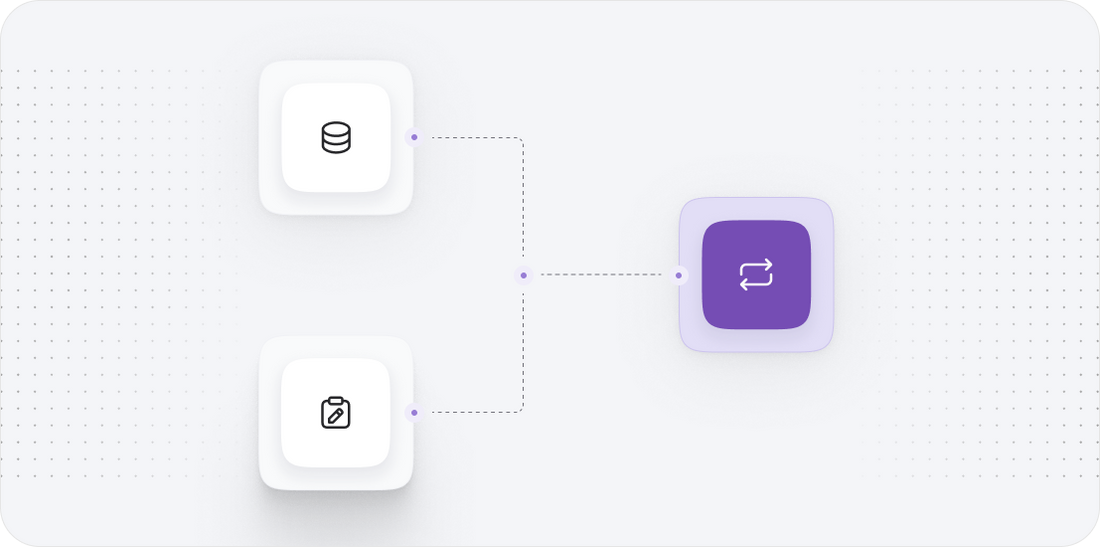
Step 2: Data Backup and Preparation
Data integrity is paramount during the migration process, and the first action is to ensure all current data on your VTEX platform is securely backed up. This step protects against data loss and allows us to restore information if any issues arise during the migration to StackCommerce.
To begin, we will create a detailed backup plan that includes the types of data that need to be secured. This typically encompasses:
- Product Data: Export all products, including descriptions, prices, and inventory levels.
- Customer Data: Backup customer profiles, including contact details, order history, and preferences.
- Order History: Ensure that all past orders are retained to maintain customer service continuity.
- Content Management: Backup any custom pages, blog posts, and additional content hosted on your VTEX site.
We will utilize built-in tools provided by VTEX for exporting data, ensuring that all files are formatted correctly for import into StackCommerce. It’s essential to verify the integrity of the backup by performing a test restore on a staging environment if possible, ensuring that the data can be accurately re-imported.
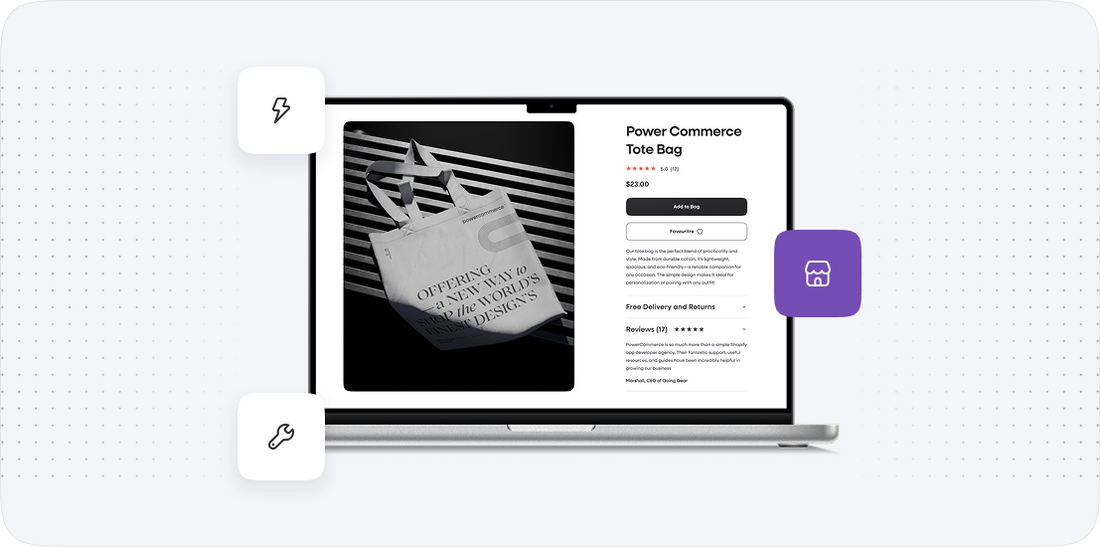
Step 3: Mapping Data Fields to StackCommerce
With a complete backup of your VTEX data in place, the next step involves mapping the various data fields from VTEX to StackCommerce. This is a critical phase that ensures data compatibility and integrity during the migration process.
Mapping requires a detailed understanding of both platforms' data structures. We will create a mapping document that outlines how each data field in VTEX corresponds to the relevant field in StackCommerce. Key areas of focus include:
- Product Information: Align product attributes such as SKU, description, price, and category from VTEX to the appropriate fields in StackCommerce.
- Customer Records: Ensure customer data fields such as name, email, and address formats are compatible with StackCommerce.
- Order History: Map order statuses and historical data to maintain customer purchase records.
During this phase, we also assess any custom fields or third-party integrations that may not have direct counterparts in StackCommerce. For these cases, we will either find suitable alternatives or plan for custom development post-migration. This meticulous mapping ensures that all data transfers seamlessly, reducing the risk of errors after going live.
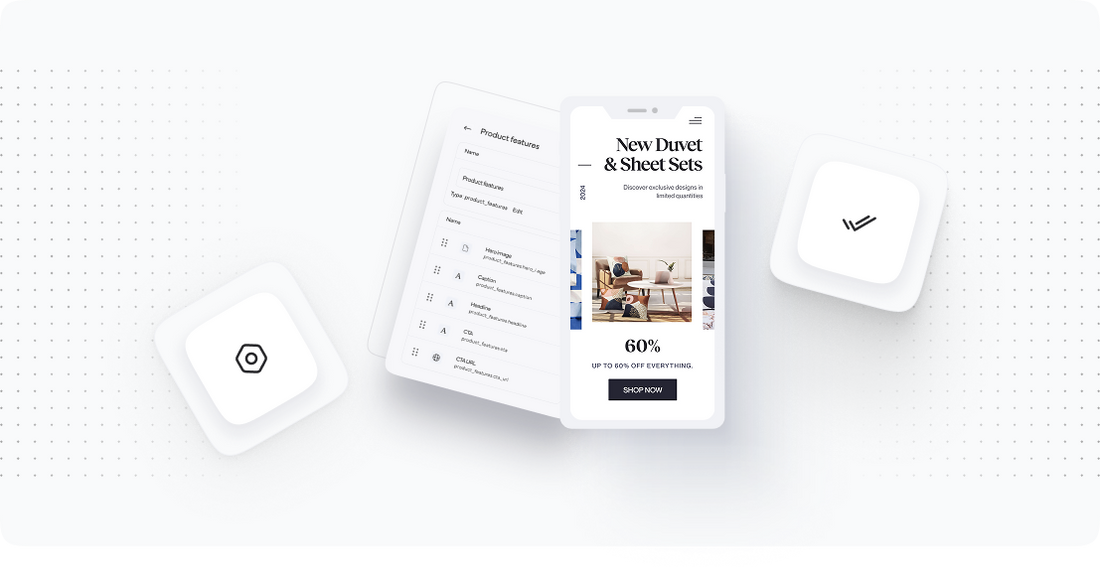
Step 4: Data Migration Execution
Having thoroughly prepared and mapped your data, we can now proceed with the actual data migration from VTEX to StackCommerce. This step requires careful execution to ensure all data is transferred accurately and efficiently.
We will utilize migration tools and scripts designed for this purpose, which may include:
- Data Import Tools: Use tools like CSV uploads or StackCommerce’s API for bulk data transfer.
- Automated Scripts: Develop scripts to automate the transfer process, ensuring data is migrated according to the mapping documents established in the previous step.
- Quality Assurance Checks: After each migration batch, we will run checks to ensure data integrity, comparing migrated data against original VTEX records.
It’s crucial during this phase to monitor the migration closely, addressing any discrepancies or errors immediately. We will maintain a log of all actions taken during this process, which can help in troubleshooting any issues that arise later on. Once the migration is complete, we will perform a comprehensive review of the data on StackCommerce to ensure everything has been transferred correctly.
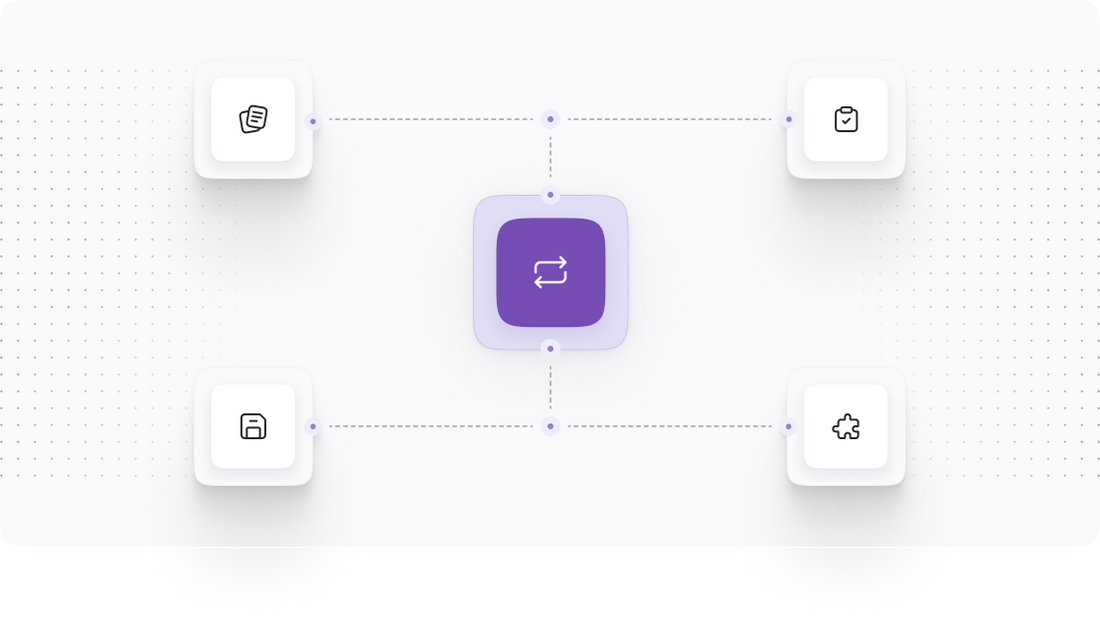
Step 5: Configuring StackCommerce Settings
Following the successful migration of data to StackCommerce, the next critical step is configuring essential settings within the new platform. Proper configuration ensures that your online store operates smoothly and meets the operational requirements of your business.
We will focus on several key settings, including:
- Payment Gateways: Integrate payment solutions that suit your business needs. This involves selecting gateways compatible with StackCommerce and ensuring they are set up for secure transactions.
- Shipping Settings: Configure shipping options, including rates and service providers. We will set up shipping zones and methods to align with your previous configurations, ensuring a seamless transition for your customers.
- Tax Settings: Establish tax rates based on your business location and compliance requirements. This step is crucial to ensure that sales tax is calculated accurately during transactions.
After configuring these settings, we will conduct a series of tests to simulate transactions, ensuring that everything functions correctly before going live. This thorough approach minimizes the risk of operational disruptions post-launch.
Step 6: Storefront Design and Customization
With the core functionalities established, we now turn our attention to storefront design and customization on StackCommerce. This step is vital for creating a visually appealing and user-friendly shopping experience that reflects your brand identity.
We will follow these guidelines for effective customization:
- Themes and Templates: Select a theme that best represents your brand. StackCommerce offers a range of customizable templates that can be tailored to suit your aesthetic preferences.
- User Experience (UX) Design: Focus on optimizing the navigation and layout for easy access to products and categories. Streamlined navigation helps improve user engagement and conversion rates.
- Branding Elements: Incorporate your logo, color schemes, and typography consistently throughout the site to reinforce brand recognition.
During this phase, we will also ensure that the storefront is responsive and mobile-friendly, as a significant portion of online shopping occurs on mobile devices. After implementing these customizations, we will conduct usability testing with real users to gather feedback and make any necessary adjustments.
Step 7: Final Testing and Go Live
The final step before launching your new StackCommerce store is to conduct thorough testing to ensure that everything functions as expected. This phase is critical to identify and rectify any issues before going live.
We will perform a series of tests, including:
- Functionality Testing: Check that all functionalities work correctly, including product searches, filtering options, and checkout processes.
- Performance Testing: Monitor loading times and responsiveness under various traffic conditions to ensure the site performs well during peak times.
- Security Testing: Conduct security audits to confirm that data protection measures, such as SSL certificates and PCI compliance, are properly configured.
Once all tests are complete and any identified issues have been resolved, we can proceed with the go-live process. This involves switching your domain to point to the new StackCommerce store and monitoring the site closely during the initial launch period to address any unforeseen issues promptly.
Power Your Step - Get in Touch
If you're ready to take the next step in your ecommerce journey and migrate to StackCommerce, we at PowerCommerce are here to assist you every step of the way. Our team of experts is dedicated to ensuring a smooth transition, leveraging our extensive experience in platform migrations to mitigate risks and maximize your online store's potential.
Contact us today:
- Visit our contact form to reach out and discuss your migration needs.
- Call us directly at 800-099-9090 for immediate assistance.
- Email us at [email protected] for any inquiries or to schedule a consultation.
By partnering with PowerCommerce, you can expect a streamlined migration process tailored to your business goals. We prioritize your success and are committed to delivering innovative solutions that enhance your ecommerce operations.

Unlock dedicated support to shape an incredible future with solutions crafted for scale and innovation.
Let's WorkStay aligned on what's happening in the commerce world


Trusted by 1000+ innovative companies worldwide
Schedule Your Migration Today
For businesses prioritizing simplicity, scalability, and robust support, Shopify is the clear winner.
Looking to migrate without hassle? Power Commerce can handle the entire process, ensuring smooth data transfer, store setup, and post-launch success.
Marka Marulića 2, Sarajevo, 71000 BiH
[email protected]