






Salesforce commerce cloud to Webflow
Migrating your store from Salesforce commerce cloud to Webflow might seem daunting, but with proper planning and the right tools, it's a smooth process. Follow this step-by-step guide to ensure a successful transition.
Schedule a call
Step-by-Step Migration Guide: Salesforce Commerce Cloud to Webflow migration guide
Step 1: Assessing Your Current Setup
In this initial step, we will thoroughly evaluate your existing Salesforce Commerce Cloud setup to identify essential data, features, and customizations that need to be migrated to Webflow.
Step 2: Data Backup and Preparation
Before migration, we will create a secure backup of all important data from Salesforce Commerce Cloud, ensuring that nothing is lost during the transition.
Step 3: Setting Up Webflow Environment
We will configure your new Webflow environment to align with your brand identity and operational needs, ensuring it’s ready for data import.
Step 4: Data Migration to Webflow
We will execute the data migration, transferring all essential information from Salesforce Commerce Cloud to the newly configured Webflow environment.
Step 5: Testing and Quality Assurance
We will perform extensive testing on the new Webflow site to ensure all functionalities are working as intended and that the user experience is seamless.
Step 6: Final Preparations for Launch
In this step, we will finalize all configurations, set up necessary integrations, and prepare for the official launch of the new Webflow site.
Step 7: Launching Your New Webflow Site
We will officially launch your new Webflow site, ensuring that all systems are go and that your customers experience a seamless transition.
Power Your Step - Get in Touch
Ready to take your ecommerce strategy to the next level? Contact PowerCommerce for expert migration support.
Step 1: Assessing Your Current Setup
Assessing your current setup is crucial for a successful migration from Salesforce Commerce Cloud to Webflow. This phase involves a deep dive into your existing platform, understanding its architecture, features, and functionalities.
First, we will compile a comprehensive inventory of all your current data, including products, customer information, order history, and any custom configurations. This inventory will help us determine what data is critical for your new Webflow site. Additionally, we will assess the current integrations with third-party tools, payment gateways, and shipping methods.
- Data Inventory: Create a detailed list of all products, categories, and attributes.
- Custom Features: Identify any custom features or functionalities that will need to be replicated in Webflow.
- Third-Party Integrations: Document existing integrations that play a vital role in your operations.
By gathering this information, we can formulate a clear migration strategy, ensuring that essential elements are carried over and that nothing vital is overlooked.
Another important aspect is to evaluate user roles and permissions within your Salesforce Commerce Cloud account. Understanding who needs access to what on the Webflow platform will ensure a seamless transition for your team.
Finally, we recommend conducting a performance analysis of your current site to identify any bottlenecks or issues. This information will help us optimize your new Webflow site for better performance.
Step 2: Data Backup and Preparation
Creating a reliable backup of your Salesforce Commerce Cloud data is a non-negotiable step in the migration process. This ensures that all your important information is safe and recoverable in case of any issues during the migration.
To begin, we will use Salesforce's built-in data export tools to extract all necessary data. This process typically includes:
- Exporting product data, including descriptions, prices, and images.
- Backing up customer data, such as contact information and order history.
- Saving any custom configurations or scripts that may be needed later.
Once the data is exported, we will verify the integrity of the backup files. This involves checking for any missing or corrupted data and ensuring that all necessary components are included. We recommend using a cloud storage service for this purpose, providing both redundancy and easy access during the migration.
Additionally, we will prepare the data for import into Webflow. This might involve formatting the data according to Webflow’s requirements, such as converting CSV files or mapping data fields to match Webflow’s database structure. This preparation is crucial to ensure a smooth and efficient migration.
Step 3: Setting Up Webflow Environment
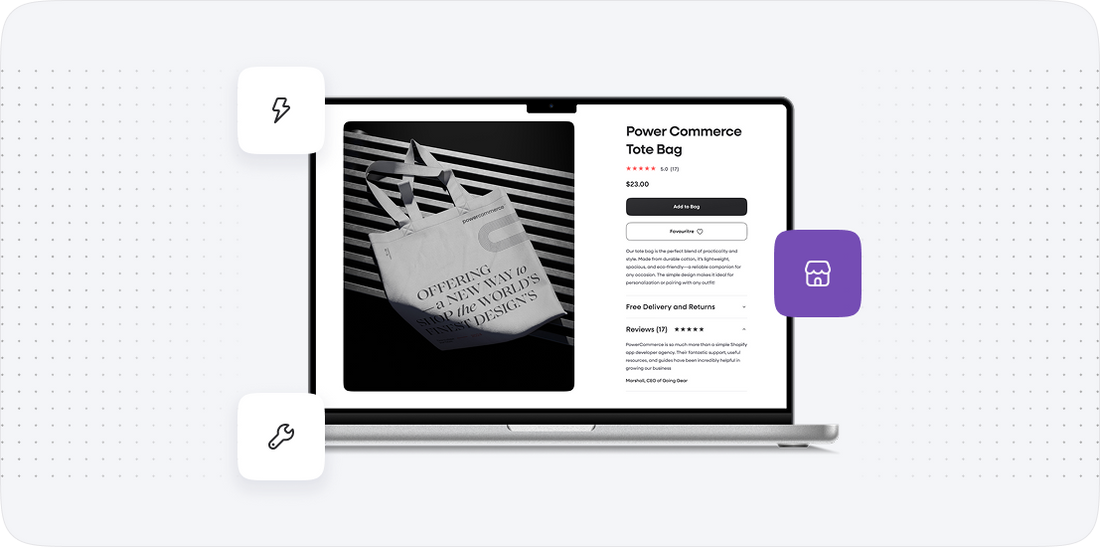
Setting up your Webflow environment is an essential step that lays the foundation for your new ecommerce platform. This involves creating a new project in Webflow, selecting a suitable template, and customizing it to reflect your brand's identity.
Initially, we will choose a template that closely resembles your current site or suits your business model. Webflow offers a variety of templates that are designed for ecommerce. After selecting a template, we will:
- Customize the Design: Tailor the template to match your brand colors, typography, and layout preferences.
- Set Up Navigation: Design a user-friendly navigation structure that enhances the customer experience.
- Configure CMS Collections: Set up collections for products, categories, and other dynamic content, ensuring they align with the data being migrated.
Next, we will integrate essential apps and tools that were previously identified, such as payment gateways, shipping solutions, and marketing tools. This setup will ensure that your new Webflow site is fully functional before data migration.
It’s also crucial to establish user roles and permissions in Webflow. This will help replicate the access levels that your team had in Salesforce Commerce Cloud, ensuring a smooth transition for all users.
Step 4: Data Migration to Webflow
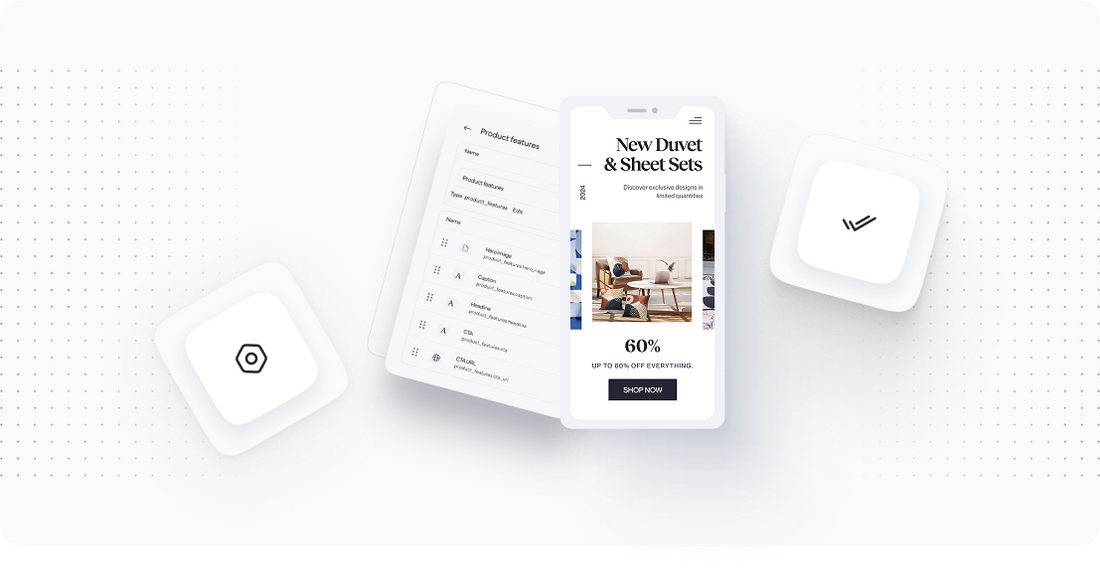
With the backup secured and the Webflow environment set up, we can now proceed with the actual data migration. This step involves transferring the data from Salesforce Commerce Cloud into your new Webflow site.
The migration process typically involves the following key actions:
- Importing Product Data: Use Webflow’s CMS import tools to upload product information, including images, descriptions, and pricing.
- Transferring Customer Data: Import customer details such as names, email addresses, and order histories, ensuring they are mapped correctly to the relevant fields in Webflow.
- Setting Up SEO Metadata: Ensure that SEO settings, including custom meta titles and descriptions, are configured for each page to maintain search engine visibility.
During this migration, we will closely monitor the process to address any errors or discrepancies that may arise. It’s essential to ensure that all data is accurately migrated and that no information is lost.
After the initial migration, we will conduct a thorough review of the data in Webflow. This includes checking for missing information, verifying product images, and ensuring that all links function correctly.
Step 5: Testing and Quality Assurance
Testing and quality assurance are critical to ensure that the new Webflow site operates smoothly and meets all operational requirements. This step involves a comprehensive review of the site’s functionalities and user experience.
We will conduct a series of tests that typically includes:
- Functional Testing: Verify that all features, such as product filtering, search functionality, and checkout processes, are working as intended.
- Cross-Browser Testing: Ensure that the site functions correctly across various browsers (Chrome, Firefox, Safari) and devices (desktop, tablet, mobile).
- Load Testing: Simulate traffic to assess how the site performs under various loads, ensuring it can handle peak traffic without issues.
Additionally, we will gather feedback from users who are familiar with the old site to identify any areas for improvement. This feedback will be invaluable in refining the user experience and ensuring that the transition has been successful.
Any bugs or issues identified during this phase will be documented and prioritized for resolution before the final launch.
Step 6: Final Preparations for Launch
As we approach the launch date of your new Webflow site, final preparations are essential to ensure a smooth transition from Salesforce Commerce Cloud. This phase includes a final review of all configurations, integrations, and settings.
We will focus on the following tasks:
- SEO Optimization: Ensure that all SEO settings are correctly configured, including URL redirects from the old site to the new one, to maintain search engine rankings.
- Integrate Marketing Tools: Set up any necessary marketing tools, such as email marketing platforms or customer relationship management systems, to ensure continuity in your marketing efforts.
- Finalize Payment and Shipping Settings: Confirm that all payment gateways and shipping options are functional and correctly configured.
We will also establish a communication plan for your customers, informing them of the upcoming changes and any potential downtime during the final switch.
Finally, we will conduct one last round of testing to ensure that everything is functioning seamlessly, making any necessary adjustments before the big launch.
Step 7: Launching Your New Webflow Site
The launch of your new Webflow site marks the culmination of our migration efforts from Salesforce Commerce Cloud. This is an exciting phase where all the hard work pays off, and your customers can finally access the new site.
On launch day, we will carefully monitor the transition to ensure everything runs smoothly. Key tasks include:
- Go Live: Switch your domain settings to point to the new Webflow site, making it live for public access.
- Real-Time Monitoring: Keep a close eye on site performance, checking for any immediate issues that may arise.
- Customer Support: Be prepared to assist customers who may have questions or encounter issues during the initial phase of using the new site.
Post-launch, we will continue to monitor the site for any ongoing issues, ensuring that customers have a positive experience and that any bugs are promptly addressed.
Power Your Step - Get in Touch
If you're ready to elevate your ecommerce experience and ensure a seamless transition from Salesforce Commerce Cloud to Webflow, look no further. At PowerCommerce, we specialize in providing expert migration services tailored to meet your specific needs.
Partnering with us means accessing over 15 years of industry expertise, cutting-edge technology, and a customer-centric approach to ecommerce growth. Our commitment to integrity and data-driven decision-making ensures that your migration is handled with the utmost care and precision.
Contact us today! Here’s how you can reach us:
- Visit our contact page: PowerCommerce Contact
- Call us at: 800-099-9090
- Email us at: [email protected]
Let’s work together to achieve your ecommerce goals and drive your business forward!

Unlock dedicated support to shape an incredible future with solutions crafted for scale and innovation.
Let's WorkStay aligned on what's happening in the commerce world


Trusted by 1000+ innovative companies worldwide
Schedule Your Migration Today
For businesses prioritizing simplicity, scalability, and robust support, Shopify is the clear winner.
Looking to migrate without hassle? Power Commerce can handle the entire process, ensuring smooth data transfer, store setup, and post-launch success.
Marka Marulića 2, Sarajevo, 71000 BiH
[email protected]