






Loja integrada to Shopify
Migrating your store from Loja integrada to Shopify might seem daunting, but with proper planning and the right tools, it's a smooth process. Follow this step-by-step guide to ensure a successful transition.
Schedule a call
Step-by-Step Migration Guide: Loja Integrada to Shopify Migration Guide
Step 1: Evaluate Your Current Loja Integrada Setup
In this initial step, we assess your existing Loja Integrada store to identify the key components that need to be migrated, ensuring a smooth transition to Shopify.
Step 2: Backup Your Loja Integrada Data
Creating a comprehensive backup of your Loja Integrada store data is essential to prevent any data loss during the migration process.
Step 3: Set Up Your Shopify Account
Now that we have backed up your Loja Integrada data, it's time to create and configure your Shopify account for the migration.
Step 4: Migrate Your Data to Shopify
In this crucial step, we transfer your product, customer, and order data from Loja Integrada to Shopify, ensuring accuracy and completeness.
Step 5: Customize Your Shopify Store
After migrating your data, it's essential to customize your Shopify store to align with your brand identity and enhance the user experience.
Step 6: Test Your Shopify Store
Thoroughly testing your Shopify store is essential to ensure all functionalities work correctly before going live.
Step 7: Launch Your Shopify Store
Now that testing is complete, it's time to officially launch your Shopify store and inform your customers about the transition.
Power Your Step - Get in Touch
Contact PowerCommerce for expert assistance with your Loja Integrada to Shopify migration and elevate your ecommerce strategy.
Step 1: Evaluate Your Current Loja Integrada Setup
Before we commence the migration from Loja Integrada to Shopify, it's vital to conduct a thorough evaluation of your current store setup. This step serves as the foundation for a successful migration process. By understanding the structure, functionality, and content of your Loja Integrada store, we can strategically plan the transition to Shopify.
The objective of this step is to gather essential information about your existing store, including product listings, customer data, order history, and any custom features you may have implemented. This assessment will help us map out what needs to be migrated and how to best replicate your store's functionalities on Shopify.
- Inventory Analysis: Begin by listing all your products, including details such as SKUs, descriptions, prices, and images. This inventory will be crucial for the next steps.
- Customer Data: Export your customer information, including names, emails, and order histories. This data is essential for maintaining customer relationships post-migration.
- Order History: Review your past orders and any associated data (like shipping status and payment methods) that need to be carried over.
- Custom Features: Document any unique features or integrations you have on Loja Integrada. Understanding these will allow us to find equivalent solutions on Shopify.
By completing this evaluation, we ensure that no critical data is overlooked during the migration process, which helps maintain operational continuity and customer satisfaction.
Step 2: Backup Your Loja Integrada Data
Once we have evaluated the current setup of your Loja Integrada store, the next crucial step is to create a complete backup of all data. This step is important as it safeguards your information against potential issues that may arise during the migration.
Backing up your data involves several key actions to ensure that all critical elements of your store are securely stored:
- Export Product Data: Use the export function in Loja Integrada to download a CSV file containing all product information, including categories, prices, and inventory levels.
- Export Customer Data: Similarly, export your customer list to ensure that you retain all necessary contact information, which is vital for marketing and communication purposes.
- Export Order History: Download a file containing all your past orders, including details like purchase dates, customer details, and order statuses, to maintain a complete history.
- Backup Media Files: Ensure all images and media files associated with your products are downloaded. This includes product images, banners, and any other media used on your site.
Once all data has been exported, store this backup securely on your computer or a cloud storage solution for easy access during the migration to Shopify. This safety measure minimizes risks and ensures that you can restore your data if needed.
Step 3: Set Up Your Shopify Account
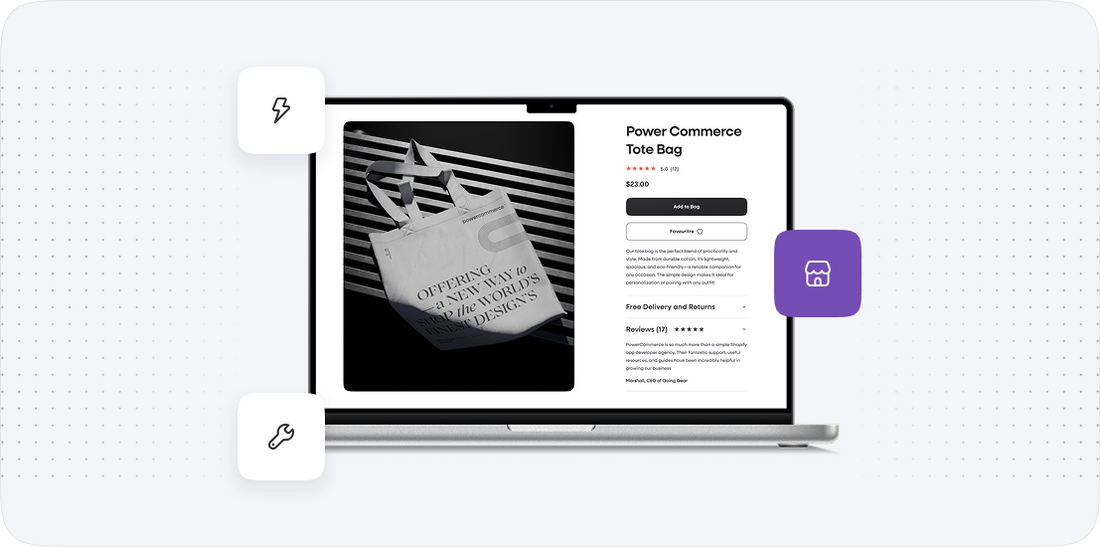
With our data securely backed up, the next step is to set up your Shopify account. This process involves creating an account, selecting a plan that suits your business needs, and configuring essential settings to prepare for the migration.
Here’s a detailed breakdown of the steps involved in setting up your Shopify account:
- Create Your Shopify Account: Go to the Shopify website and sign up for a new account. You’ll need to enter your email address, create a password, and choose a store name.
- Select a Plan: Choose a subscription plan that best fits your business. Shopify offers various plans, so consider your expected sales volume and required features. You can start with a trial if you want to explore the platform before committing.
- Configure Store Settings: Access the settings menu in your Shopify dashboard to set up important aspects of your store:
- General Settings: Enter your store’s name, address, and contact information.
- Payment Providers: Set up payment gateways to accept payments from customers, such as credit cards and PayPal.
- Shipping Settings: Configure your shipping rates and methods to ensure a smooth fulfillment process.
- Choose a Theme: Select a theme from the Shopify Theme Store that aligns with your brand identity. Customize it as needed using the Shopify editor to ensure it reflects your business aesthetics.
By completing these setup steps, we lay the groundwork for a successful migration, ensuring that Shopify is fully prepared to accommodate the incoming data from your Loja Integrada store.
Step 4: Migrate Your Data to Shopify
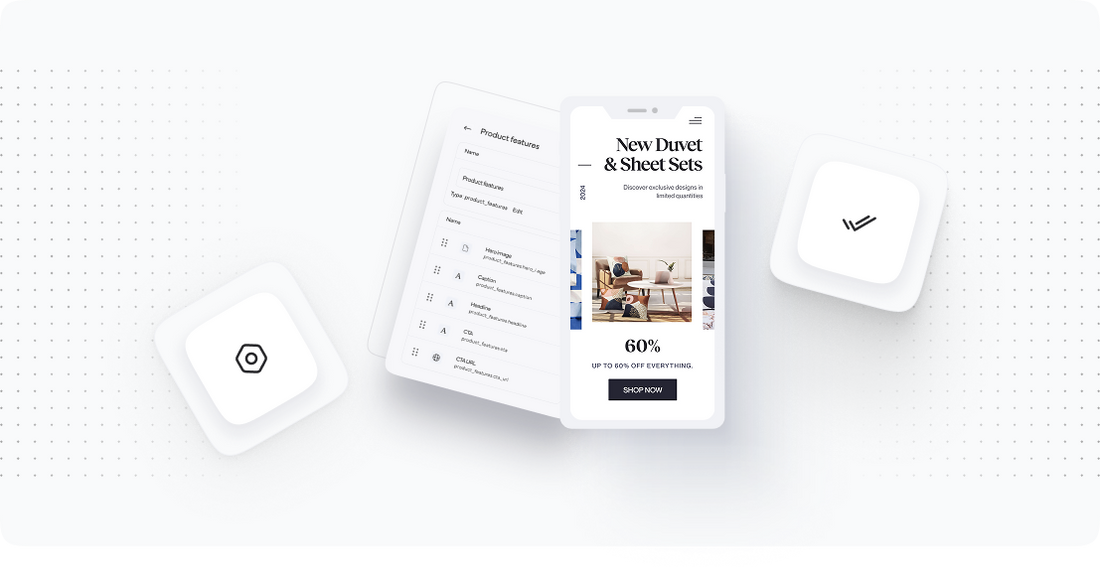
With your Shopify account set up, we can now proceed to migrate your data from Loja Integrada. This step is critical as it involves transferring all essential information, including products, customers, and orders, ensuring that your new store is fully equipped to operate seamlessly from day one.
We will follow these steps for a successful data migration:
- Import Product Data: Use Shopify's import tool to upload the CSV file containing your products. This tool allows you to map fields from your Loja Integrada export to the corresponding fields in Shopify.
- Ensure that product images are uploaded to Shopify, either through the CSV import or by manually adding them to each product listing.
- Review categories and collections to ensure that products are organized correctly within your new store.
- Import Customer Data: Using the customer CSV file you exported, import this data into Shopify. This process will recreate your customer base, allowing you to continue marketing to them post-migration.
- Import Order History: Similarly, upload your order history CSV to Shopify. This step is vital for maintaining comprehensive records of customer purchases, which can enhance future marketing efforts.
- Verify Data Integrity: After importing, review your data within Shopify to ensure accuracy. Check for missing products, incorrect customer details, or any discrepancies in order history.
By meticulously carrying out these migration processes, we ensure that your Shopify store reflects the same information as your Loja Integrada store, allowing for a consistent shopping experience for your customers.
Step 5: Customize Your Shopify Store
Once your data is successfully migrated to Shopify, the next step is to customize your store to ensure it aligns with your brand identity and provides users with an exceptional shopping experience. Customization is crucial for maintaining brand recognition and fostering customer loyalty.
Here are the key areas we will focus on during the customization process:
- Theme Customization: Utilize the Shopify theme editor to refine your chosen theme. Adjust colors, fonts, and layouts to mirror your brand’s look and feel.
- Navigation Setup: Create intuitive navigation menus to enhance user experience. Organize categories and collections logically to help customers find products easily.
- Page Creation: Build essential pages such as About Us, Contact, and FAQs. These pages provide valuable information and build trust with your customers.
- SEO Optimization: Optimize product pages for search engines by updating meta titles and descriptions. This step is vital for improving visibility in search results.
- Install Necessary Apps: Explore the Shopify App Store for apps that can enhance your store’s functionality, such as email marketing tools, social media integrations, and analytics solutions.
By thoroughly customizing your Shopify store, we ensure it not only reflects your brand identity but also enhances user engagement and drives conversions.
Step 6: Test Your Shopify Store
Before launching your Shopify store, it’s crucial to conduct comprehensive testing to ensure that all functionalities work correctly and that your customers will have a seamless shopping experience. Testing helps identify any issues that could impact user experience or sales.
Here’s a step-by-step guide for testing your Shopify store:
- Test Product Listings: Review each product listing to ensure that descriptions, prices, and images are accurate. Confirm that all products appear under the correct categories.
- Check Functionality: Test all site functionalities, including search features, filters, and sorting options, to ensure customers can easily navigate your store.
- Simulate Transactions: Conduct test transactions using various payment methods to verify that the checkout process works smoothly and that orders are processed correctly.
- Review Shipping and Tax Settings: Confirm that shipping rates and tax calculations are applied correctly during checkout.
- Assess Mobile Responsiveness: Test your store on multiple devices (desktop, tablet, mobile) to ensure it is fully responsive and user-friendly across all platforms.
By performing these tests, we can identify and resolve any issues that may hinder customer satisfaction, ensuring your Shopify store is ready for a successful launch.
Step 7: Launch Your Shopify Store
After thorough testing and customization, we are ready to launch your Shopify store! This step marks a significant milestone in your business journey, transitioning from Loja Integrada to a more robust ecommerce platform.
Here’s how to effectively launch your Shopify store:
- Final Preparations: Ensure all settings are configured correctly, including payment gateways and shipping methods. Double-check that all product information is accurate.
- Set Live: Change your Shopify store status from ‘password protected’ to ‘live’ in the settings menu. This action makes your store accessible to the public.
- Inform Your Customers: Notify your existing customers about the transition via email or social media. Highlight any new features or improvements that they can expect in the new store.
- Monitor Performance: After launching, keep a close eye on store performance and customer feedback. Use analytics tools to track user behavior and sales patterns.
- Provide Support: Be available to assist customers who may have questions or issues regarding the transition. Ensure that customer service channels are open and responsive.
Launching your Shopify store is just the beginning. By maintaining open communication with customers and monitoring store performance, we can ensure a successful transition and continued business growth.
Power Your Step - Get in Touch
Ready to take your ecommerce business to the next level? At PowerCommerce, we specialize in seamless migrations from Loja Integrada to Shopify, ensuring that your transition is smooth, efficient, and tailored to your unique business needs.
Our team of experts is here to help you at every step, from initial evaluations to post-launch support. Don’t leave your migration to chance--partner with us for a risk-free consultation and discover how we can optimize your store for success.
- To get started, visit our contact page: PowerCommerce Contact.
- Call us at 800-099-9090 for immediate assistance.
- Email us at [email protected] to discuss your project requirements.
Empower your ecommerce journey with PowerCommerce's expertise and let us help you unlock your store's full potential!

Unlock dedicated support to shape an incredible future with solutions crafted for scale and innovation.
Let's WorkStay aligned on what's happening in the commerce world


Trusted by 1000+ innovative companies worldwide
Schedule Your Migration Today
For businesses prioritizing simplicity, scalability, and robust support, Shopify is the clear winner.
Looking to migrate without hassle? Power Commerce can handle the entire process, ensuring smooth data transfer, store setup, and post-launch success.
Marka Marulića 2, Sarajevo, 71000 BiH
00387 60 345 5801
[email protected]