






Edrone to Shopify
Migrating your store from Edrone to Shopify might seem daunting, but with proper planning and the right tools, it's a smooth process. Follow this step-by-step guide to ensure a successful transition.
Schedule a call
Step-by-Step Migration Guide: Edrone to Shopify migration guide
Step 1: Assess Your Current Edrone Setup
In this step, we will evaluate your existing Edrone configuration, including customer data, product listings, and integrations, to ensure a smooth migration to Shopify.
Step 2: Prepare Your Shopify Store
Next, we will set up your Shopify store environment, including selecting a plan, configuring settings, and customizing the storefront to match your brand.
Step 3: Data Migration from Edrone to Shopify
In this crucial step, we will migrate all relevant data from Edrone to Shopify, including customer information, product listings, and order history.
Step 4: Configure Shopify Apps and Integrations
After migrating your data, we will set up all necessary Shopify apps and integrations to replace the Edrone functionalities.
Step 5: Optimize Your Shopify Store
Once everything is set up, we will focus on optimizing your Shopify store’s performance, ensuring it is ready for customer traffic.
Step 6: Launch Your Shopify Store
Once everything is set up and optimized, we will prepare for the official launch of your Shopify store.
Step 7: Post-Launch Monitoring and Adjustments
After launching, we will monitor your store's performance and make necessary adjustments to improve customer experience.
Power Your Step - Get in Touch
Ready to embark on your migration journey? Contact PowerCommerce for expert support!
Step 1: Assess Your Current Edrone Setup
Before commencing the migration from Edrone to Shopify, it is crucial to conduct a thorough assessment of your current Edrone setup. This initial evaluation will help identify the scope of the migration, potential issues, and necessary preparations.
The key objectives during this phase include:
- Data Review: Review all customer data, product listings, and order history within your Edrone account. Ensure that all information is accurate and up-to-date. This will include customer names, addresses, purchase history, and product details such as SKUs, descriptions, and pricing.
- Integration Check: Identify any third-party integrations currently in use. This includes email marketing tools, payment gateways, and shipping solutions. Document these integrations as you will need to replicate or replace them in Shopify.
- Backup Data: Create a complete backup of your Edrone data, including an export of customer lists, product catalogs, and order histories in CSV format. This will serve as a fail-safe in case of unexpected issues during the migration.
- Analyze Custom Features: Evaluate any custom features or automations implemented in Edrone. Take note of these functionalities so that equivalent features can be configured in Shopify, either through apps or custom development.
This assessment phase is vital to understand the type and amount of data that will need to be migrated and to devise a strategy for a smooth transition to Shopify.
Step 2: Prepare Your Shopify Store
Once you've assessed your Edrone setup, the next step is to prepare your Shopify store. This involves several tasks to ensure that your new online store is ready to receive migrated data and offer a seamless shopping experience.
Follow these steps to prepare your Shopify store:
- Select a Shopify Plan: Choose a Shopify plan that meets your business needs. You may start with the Basic plan and upgrade as your business grows. Consider factors such as transaction fees, staff accounts, and reporting capabilities when making your selection.
- Domain Configuration: If you have an existing domain, configure it to point to your new Shopify store. This can usually be done through your domain registrar's dashboard.
- Basic Settings: Navigate to the Shopify admin and configure essential settings including payment gateways, shipping options, and tax settings. Ensure that your store is ready to process orders once the migration is complete.
- Choose a Theme: Select a Shopify theme that reflects your brand identity. You can customize themes through the Shopify Theme Editor to match your desired aesthetics.
- Install Necessary Apps: Browse the Shopify App Store to install apps that will replicate the functionalities you were using in Edrone. This may include apps for email marketing, inventory management, and customer service.
Once your Shopify store is set up and configured, you are ready to move on to the data migration phase.
Step 3: Data Migration from Edrone to Shopify
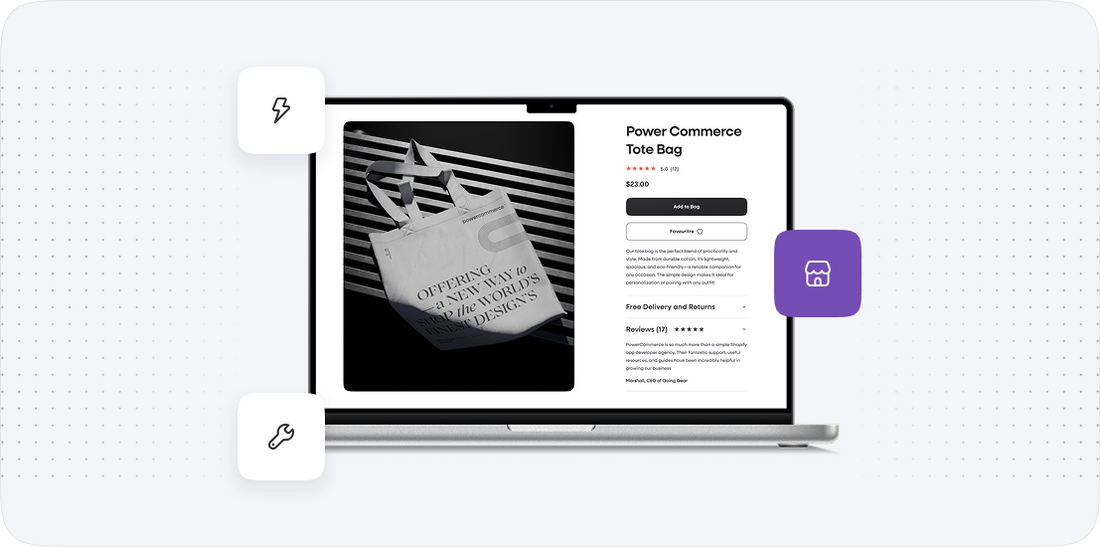
Data migration is a critical step in the transition from Edrone to Shopify. Proper migration ensures that your store retains its customer relationships and transaction history. Here’s how we approach this process:
The data migration process involves the following key actions:
- Export Data from Edrone: Utilize the Edrone export feature to download all relevant data in CSV format. This includes customer lists, product catalogs, and order histories. Ensure that the exported files are organized and clearly labeled for easy reference.
- Data Cleanup: Before importing data into Shopify, review the exported CSV files. Remove any duplicate entries, correct any inaccuracies, and ensure that all necessary fields are included. This step is crucial for maintaining data integrity.
- Data Import to Shopify: Use Shopify's built-in import tools or a third-party migration app to upload the cleaned CSV files. During this stage, carefully map the data fields from Edrone to the corresponding fields in Shopify. For example, ensure that customer email addresses in Edrone match the email fields in Shopify.
- Verify Imported Data: After the import, review the data within your Shopify admin to confirm that all information has been successfully migrated. Check for completeness and accuracy of customer profiles, product details, and order histories. This verification step will help catch any discrepancies early on.
If any data migration issues are encountered, they can often be resolved by re-exporting the data from Edrone, cleaning it again, and re-importing into Shopify.
Step 4: Configure Shopify Apps and Integrations
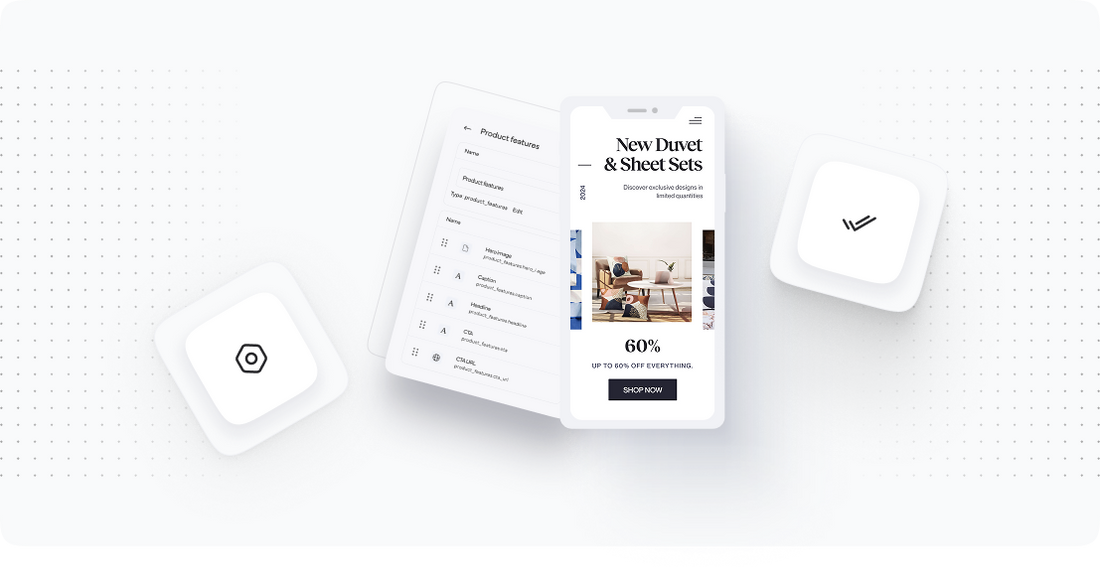
With your data successfully migrated to Shopify, the next step is to configure the necessary apps and integrations that will replicate the functionality you had in Edrone. This setup is essential for ensuring that your store operates smoothly and effectively.
Here’s a detailed approach to configuring your Shopify apps and integrations:
- Review Required Functionalities: Based on your previous Edrone setup, list all the functionalities that are critical for your operations. This can include email marketing, CRM tools, payment processors, and shipping solutions.
- Select and Install Apps: Browse the Shopify App Store for apps that meet your functional needs. For example, if you previously used an email marketing tool, install a suitable app from the App Store, such as Klaviyo or Omnisend. Follow the installation instructions for each app carefully.
- Set Up Payment Gateways: Configure payment gateways in Shopify to ensure you can process transactions. This may include setting up options for credit cards, PayPal, and any other payment methods you used in Edrone.
- Integrate Shipping Solutions: If you used a shipping solution in Edrone, set it up in Shopify. This may involve configuring shipping rates, delivery times, and any integrations with third-party logistics providers.
- Test Integrations: After setting up all apps and integrations, conduct tests to ensure everything works as expected. For instance, run a test transaction to verify that payment processing is seamless and that order notifications are sent correctly.
By ensuring that all necessary apps and integrations are configured, you can provide a similar experience for your customers as they had in Edrone.
Step 5: Optimize Your Shopify Store
Before launching your new Shopify store, it is essential to optimize its performance to ensure that it runs efficiently and provides a seamless experience for your customers. Here’s how we approach store optimization:
Follow these optimization steps:
- Improve Loading Speed: Use tools like Google PageSpeed Insights to analyze your store's loading speed. Implement recommended optimizations, such as compressing images, leveraging browser caching, and minimizing code.
- SEO Optimization: Optimize your store for search engines by ensuring that all pages have proper meta tags, alt text for images, and optimized URLs. Use SEO apps from the Shopify App Store to assist with this process.
- Mobile Responsiveness: Ensure your store is fully responsive and provides a smooth browsing experience for mobile users. Test your store on various devices and screen sizes to ensure compatibility.
- User Experience Testing: Conduct user experience tests by asking trusted individuals to navigate your store. Gather feedback on the layout, navigation, and overall usability, and make adjustments as needed.
- Analytics Setup: Configure Google Analytics or Shopify Analytics to track visitor behavior and sales metrics. This setup will provide valuable insights into how your store is performing and where improvements can be made.
Optimizing your Shopify store ensures that you can offer your customers a fast, reliable, and user-friendly shopping experience.
Step 6: Launch Your Shopify Store
After completing all previous steps, the next phase is the official launch of your Shopify store. This is an exciting time, and proper preparation is essential to ensure a successful transition from Edrone to Shopify.
Here’s how to effectively launch your store:
- Double-Check Everything: Conduct a thorough review of your store, including product listings, pricing, and customer data. Ensure that everything is accurate and functioning as intended.
- Communicate with Customers: Inform your existing customers about the transition to Shopify. Send out emails announcing the launch date and any new features they can expect. Provide reassurances regarding their accounts and orders.
- Plan a Launch Promotion: Consider running a launch promotion to attract customers to your new store. This can include discounts, free shipping, or special giveaways to encourage purchases.
- Monitor Traffic and Performance: Once your store is live, closely monitor traffic, sales, and customer interactions. Utilize analytics tools to track performance and identify any immediate issues that need addressing.
- Gather Feedback: Encourage customers to provide feedback on their shopping experience. Use this feedback to make ongoing improvements to your store.
Launching your Shopify store is a significant milestone, and with the right preparations, you can ensure a successful transition that retains your existing customers while attracting new ones.
Step 7: Post-Launch Monitoring and Adjustments
Once your Shopify store is officially launched, the work doesn’t stop there. Continuous monitoring and adjustments are necessary to optimize performance and enhance customer satisfaction.
Key actions for post-launch monitoring include:
- Performance Tracking: Regularly review your store’s analytics to track sales, customer engagement, and traffic patterns. Pay attention to metrics such as conversion rates, page views, and average order value.
- Customer Feedback: Continue to solicit feedback from customers regarding their shopping experience. Use surveys, email follow-ups, and social media interactions to gather insights.
- Ongoing Optimization: Based on the data collected, make ongoing adjustments to your store. This could include optimizing product descriptions, adjusting pricing, or enhancing marketing strategies.
- Update Marketing Strategies: Utilize the insights gained from analytics to refine your marketing strategies. Focus on what drives traffic and sales, and adjust your campaigns accordingly.
- Regularly Test New Features: Explore new Shopify features and apps that can enhance your store. Test these improvements in a controlled manner to gauge their impact on performance.
By actively monitoring your store and making necessary adjustments, you can ensure that your Shopify store remains competitive and continues to meet customer expectations.
Power Your Step - Get in Touch
At PowerCommerce, we are committed to providing a seamless migration experience from Edrone to Shopify. Our team of experts is here to support you at every step of the migration process, ensuring that your transition is smooth and efficient.
To get started, we invite you to reach out to us. Our dedicated team is ready to answer any questions you may have and assist you in planning your migration strategy. Here’s how to contact us:
- Visit our contact page to fill out our online form.
- Call us directly at 800-099-9090 for immediate assistance.
- Email us at [email protected] for any inquiries or detailed questions.
Don’t hesitate to reach out today, and let's power your eCommerce growth together!

Unlock dedicated support to shape an incredible future with solutions crafted for scale and innovation.
Let's WorkStay aligned on what's happening in the commerce world


Trusted by 1000+ innovative companies worldwide
Schedule Your Migration Today
For businesses prioritizing simplicity, scalability, and robust support, Shopify is the clear winner.
Looking to migrate without hassle? Power Commerce can handle the entire process, ensuring smooth data transfer, store setup, and post-launch success.
Marka Marulića 2, Sarajevo, 71000 BiH
[email protected]