






Bigcommerce to Netsuite suitecommerce
Migrating your store from Bigcommerce to Netsuite suitecommerce might seem daunting, but with proper planning and the right tools, it's a smooth process. Follow this step-by-step guide to ensure a successful transition.
Schedule a call
Step-by-Step Migration Guide: BigCommerce to Netsuite SuiteCommerce Migration Guide
Step 1: Assessing Your Current BigCommerce Setup
In this initial step, we conduct a thorough assessment of your existing BigCommerce setup, focusing on data structure, customizations, and integrations to identify potential migration challenges.
Step 2: Data Mapping and Preparation
This step involves mapping the data from BigCommerce to SuiteCommerce, ensuring we prepare the data correctly for a seamless transfer.
Step 3: Executing Data Migration
In this crucial step, we perform the actual data migration from BigCommerce to SuiteCommerce, ensuring all data is transferred accurately and securely.
Step 4: Configuring SuiteCommerce Settings
After data migration, we configure the essential settings in SuiteCommerce to optimize functionality and user experience for your store.
Step 5: Testing and Quality Assurance
In this step, we perform extensive testing and quality assurance to identify and resolve any issues before launching your SuiteCommerce store.
Step 6: Launching Your SuiteCommerce Store
We prepare for the final launch of your SuiteCommerce store, ensuring that everything is in place for a successful go-live experience.
Step 7: Post-Launch Support and Optimization
After the launch, we provide ongoing support and optimization to enhance the performance of your SuiteCommerce store.
Power Your Step - Get in Touch
Ready to take your ecommerce migration to the next level? Contact PowerCommerce for expert support and guidance.
Step 1: Assessing Your Current BigCommerce Setup
Before we dive into the migration process, it's crucial to conduct a detailed assessment of your current BigCommerce setup. This step serves as the foundation of the migration, enabling us to identify any unique configurations, customizations, or integrations that may impact the transition to Netsuite SuiteCommerce.
The objective here is to gather all pertinent information about your data and systems, ensuring that we can recreate or enhance these functionalities within SuiteCommerce. This includes not only the products and customer data but also any existing custom scripts, third-party integrations, and site settings that are critical to your operations.
Key Actions:
- Export Data: Utilize the BigCommerce API or built-in export tools to download all necessary data, including products, customer details, and order history. Ensure that you have a comprehensive data backup to prevent any data loss.
- Document Customizations: Make a list of all customizations done within BigCommerce, such as specific scripts or design changes. This documentation will help us replicate or enhance these customizations in SuiteCommerce.
- Evaluate Integrations: Identify all current third-party integrations that your BigCommerce store employs, such as payment gateways, shipping solutions, and inventory management systems. Understanding these integrations is essential for planning how they will function in SuiteCommerce.
Technical Considerations:
During this assessment, it’s important to consider the compatibility of your existing data structures with SuiteCommerce. Be aware of how SuiteCommerce handles product variants, customer segmentation, and order processing, as these may differ from BigCommerce’s approach.
Best Practices:
- Ensure that all exported data is in a format compatible with SuiteCommerce.
- Prioritize the migration of critical data first, such as customer and product information.
By thoroughly assessing your existing setup, we position ourselves for a successful migration, minimizing disruptions and ensuring that we meet all operational needs in the transition.
Step 2: Data Mapping and Preparation
Once the assessment is complete, the next step is to prepare and map the data for migration. Data mapping involves aligning the structure of your existing BigCommerce data with that of SuiteCommerce. This ensures that all information is accurately transferred and integrated into the new platform.
The goal is to create a clear blueprint that details how each data element from BigCommerce corresponds to its counterpart in SuiteCommerce. This step is crucial for maintaining data integrity and ensuring a smooth transition.
Key Actions:
- Create a Data Mapping Document: Develop a comprehensive document that outlines how each type of data translates from BigCommerce to SuiteCommerce. This should include products, customers, orders, and any custom fields.
- Clean Up Data: Before migration, clean your data to eliminate duplicates, outdated information, and any inaccuracies. This step ensures that only high-quality data is transferred.
- Format Data Appropriately: Ensure that all data is formatted according to SuiteCommerce's requirements--this includes product SKUs, customer information, and order data.
Technical Considerations:
Data mapping can be complex, especially if you have customized fields in BigCommerce that need to be replicated in SuiteCommerce. Consider leveraging SuiteCommerce's built-in capabilities for custom fields and attributes to ensure you can recreate essential functionalities.
Best Practices:
- Use automated tools where possible to facilitate data mapping and preparation.
- Test the mapping with a small data subset before executing a full migration to identify any issues.
By carefully mapping and preparing your data, we can ensure that the migration to SuiteCommerce not only preserves your existing data integrity but also enhances operational efficiency.

Step 3: Executing Data Migration
With the data mapping and preparation complete, we can now execute the data migration process. This step involves transferring all your data from BigCommerce into SuiteCommerce while ensuring that everything is captured accurately and securely.
The successful execution of this step is vital as it will directly impact the functionality and usability of your new SuiteCommerce platform. This phase requires meticulous attention to detail to ensure that no data is lost and that everything is integrated correctly.
Key Actions:
- Use Migration Tools: Leverage specialized migration tools or scripts that facilitate the transfer of data. These tools can automate the process and help in reducing human errors.
- Monitor Migration Progress: Keep an eye on the migration process to identify any errors or issues that may arise. Address problems in real-time to mitigate any risks.
- Validate Data Post-Migration: After the migration, conduct a thorough check to ensure that all data has been transferred correctly. This includes verifying product details, order histories, and customer information.
Technical Considerations:
Pay special attention to the migration of multimedia files such as product images, as these can often be overlooked. Ensure that all links to images are functional in the new platform.
Best Practices:
- Perform a dry run of the migration with a small batch of data to test the process before the full migration.
- Ensure that your migration does not coincide with peak business hours to minimize disruptions.
Executing the migration with precision will pave the way for a successful launch on SuiteCommerce, allowing your business to operate smoothly with minimal downtime.
Step 4: Configuring SuiteCommerce Settings
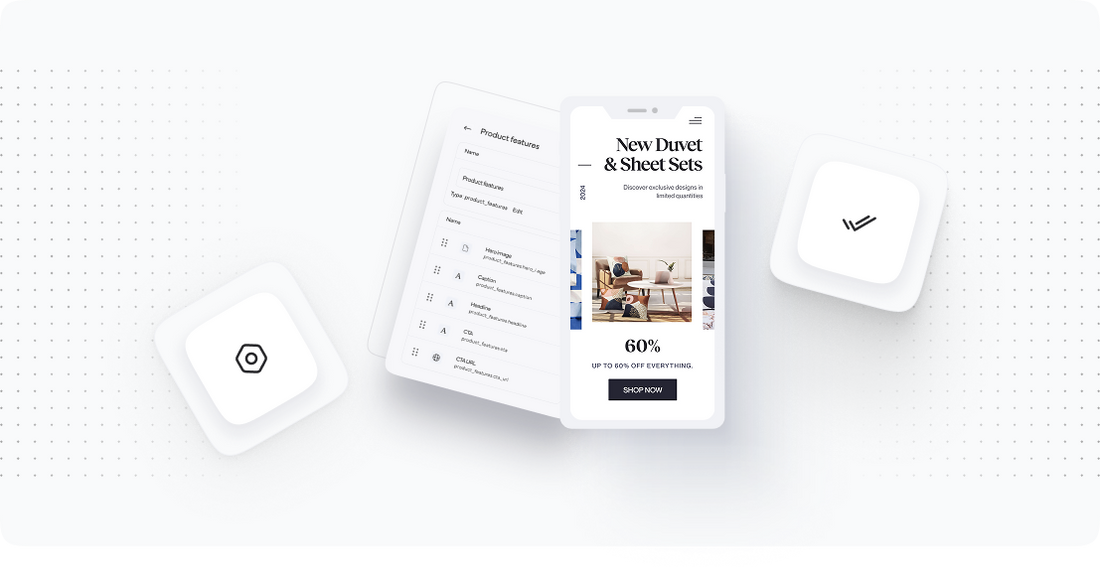
Following the successful data migration, the next step is to configure the various settings within SuiteCommerce to ensure that your online store operates according to your business needs. This configuration process is crucial for optimizing the functionality and enhancing the overall user experience.
This step involves setting up everything from payment gateways and shipping options to tax calculations and product configurations. Proper configuration ensures that your store is ready for customers and can operate seamlessly from day one.
Key Actions:
- Set Up Payment Gateways: Integrate your preferred payment processors, ensuring that they are configured correctly to handle transactions securely.
- Configure Shipping Options: Establish shipping methods and rates according to your business model. Ensure that all shipping settings are optimized for both domestic and international orders.
- Tax Settings: Configure tax settings to comply with local regulations. This may include setting up tax rules for different regions or customer types.
Technical Considerations:
As you configure SuiteCommerce, consider utilizing its advanced features like dynamic pricing and personalized merchandising to enhance customer engagement and drive sales.
Best Practices:
- Review and test all configurations before going live to ensure they work as intended.
- Document your settings for future reference and for any team members who may need to manage the platform.
By carefully configuring SuiteCommerce settings, we can create an optimized online store that meets both operational requirements and customer expectations.
Step 5: Testing and Quality Assurance
Before launching your SuiteCommerce store, it is essential to conduct thorough testing and quality assurance. This step is crucial for identifying any potential issues that could affect the user experience or operational functionality once the site goes live.
We will perform various tests to ensure that all aspects of the site are functioning correctly, including data integrity, payment processing, and user interface interactions. This proactive approach helps to prevent errors that could disrupt your business after launch.
Key Actions:
- Conduct Functional Testing: Test all functionalities of the website, including product searches, checkout processes, and user account management. Ensure that all features work seamlessly.
- Performance Testing: Simulate peak traffic scenarios to test how the site performs under load. This is essential for ensuring that the site can handle high volumes of traffic.
- User Acceptance Testing (UAT): Allow a select group of users to interact with the site and provide feedback. This can help identify any areas that may require adjustments or improvements.
Technical Considerations:
Pay attention to mobile responsiveness and cross-browser compatibility during testing, as these factors significantly impact user experience.
Best Practices:
- Document all test cases and results, so you have a clear record of what was tested and any issues encountered.
- Involve stakeholders in the UAT phase to ensure that the site meets business requirements and expectations.
By conducting comprehensive testing and quality assurance, we ensure that your SuiteCommerce store is ready for a smooth launch, minimizing the risk of operational issues.
Step 6: Launching Your SuiteCommerce Store
The moment has arrived to launch your SuiteCommerce store. This final step is critical as it marks the transition from your old BigCommerce platform to your new SuiteCommerce solution. Proper preparation and execution during this phase will contribute significantly to the success of your new store.
We will ensure that all systems are ready, and all stakeholders are informed as we transition to the new platform. This step involves final checks and the go-live process, ensuring that your store operates smoothly from the outset.
Key Actions:
- Final Data Integrity Check: Conduct a last-minute verification of all data to ensure that no discrepancies exist between the old and new platforms.
- Implement URL Redirects: Set up necessary 301 redirects from your old BigCommerce URLs to the new SuiteCommerce URLs to preserve SEO rankings and ensure users can find your products seamlessly.
- Go Live: Officially launch your SuiteCommerce store and monitor the site closely for any immediate issues that may arise.
Technical Considerations:
Have a rollback plan in place in case of major issues during the launch. This could involve reverting to the BigCommerce site temporarily while issues are resolved.
Best Practices:
- Communicate the launch to your customers, highlighting any new features or improvements.
- Be prepared to provide support as users begin to interact with the new system, addressing any inquiries or issues promptly.
By meticulously preparing for the launch, we can ensure that your SuiteCommerce store goes live successfully, allowing your business to start reaping the benefits of its new platform.
Step 7: Post-Launch Support and Optimization
After launching your SuiteCommerce store, the journey doesn't end; it’s just the beginning. Post-launch support and optimization are critical to ensuring that your store continues to perform well and meets customer expectations over time.
This step involves monitoring the site for any issues, gathering user feedback, and making necessary adjustments to enhance the performance and functionality of your store.
Key Actions:
- Monitor Site Performance: Use analytics tools to track user behavior, traffic patterns, and site performance metrics. Identify areas for improvement based on this data.
- Gather Customer Feedback: Engage with customers to gather their insights on the new platform. This feedback can provide valuable information for future enhancements.
- Implement Ongoing Optimizations: Based on monitoring and feedback, make necessary adjustments to improve user experience, streamline operations, and increase conversion rates.
Technical Considerations:
Regularly update your SuiteCommerce platform to stay current with new features and security updates. This proactive approach can prevent potential issues and enhance functionality.
Best Practices:
- Schedule regular performance reviews to evaluate site functionality and user experience.
- Continue to refine your SEO strategies to improve visibility and attract more customers.
By providing post-launch support and ongoing optimization, we ensure that your SuiteCommerce store remains competitive and continues to meet the needs of your customers.
Power Your Step - Get in Touch
Let’s Power Your Ecommerce Journey! At PowerCommerce, we understand that migrating to a new ecommerce platform can be a complex and challenging process. That’s why our team of experts is here to guide you every step of the way, ensuring a smooth and successful transition from BigCommerce to Netsuite SuiteCommerce.
With over 15 years of experience, we are committed to providing you with cutting-edge, scalable, and intuitive solutions that drive conversion, optimize storefront performance, and facilitate seamless integrations. Our customer-centric approach, combined with data-driven decision-making, ensures that your migration meets your unique business needs.
Contact Us Today:
- Visit our contact page to fill out our inquiry form.
- Call us directly at 800-099-9090 for immediate assistance.
- Email us at info@powercommerce.com for detailed inquiries or to schedule a consultation.
Don't leave your migration to chance. Get in touch with PowerCommerce today, and let us help you power your ecommerce success!

Unlock dedicated support to shape an incredible future with solutions crafted for scale and innovation.
Let's WorkStay aligned on what's happening in the commerce world


Trusted by 1000+ innovative companies worldwide
Schedule Your Migration Today
For businesses prioritizing simplicity, scalability, and robust support, Shopify is the clear winner.
Looking to migrate without hassle? Power Commerce can handle the entire process, ensuring smooth data transfer, store setup, and post-launch success.
Marka Marulića 2, Sarajevo, 71000 BiH
00387 60 345 5801
info@powercommerce.com