






Drupal commerce to Shopline
Migrating your store from Drupal commerce to Shopline might seem daunting, but with proper planning and the right tools, it's a smooth process. Follow this step-by-step guide to ensure a successful transition.
Schedule a call
Step-by-Step Migration Guide: Drupal Commerce to Shopline Migration Guide
Step 1: Preparing for Migration
In this initial step, we will assess the current Drupal Commerce setup and identify the critical data that needs to be migrated to Shopline. This preparation phase is essential for ensuring a smooth transition.
Step 2: Data Backup and Security Measures
In this step, we will implement a robust backup strategy and security protocols to protect data during the migration process. This ensures that your information remains safe and sound.
Step 3: Setting Up Shopline Environment
Here, we will create and configure the Shopline environment, ensuring it is ready to receive the migrated data from Drupal Commerce.
Step 4: Data Migration Process
In this crucial step, we will execute the data migration from Drupal Commerce to Shopline, ensuring all critical information is accurately transferred.
Step 5: Post-Migration Data Verification
After migrating the data, we will conduct a thorough verification process to ensure all information has been transferred correctly and is functioning as expected.
Step 6: SEO and URL Redirection Setup
In this step, we will focus on SEO optimization and setting up URL redirections to preserve existing traffic and maintain search engine rankings.
Step 7: Launching Your Shopline Store
In this final preparatory step, we will prepare for the official launch of the Shopline store, ensuring everything is ready for your customers.
Power Your Step - Get in Touch
Ready to take your ecommerce store to the next level? Contact PowerCommerce for expert migration support and seamless transitions.
Step 1: Preparing for Migration
Before we initiate the migration from Drupal Commerce to Shopline, we must conduct a thorough assessment of the current Drupal Commerce setup. This step is crucial as it outlines the data and features we need to transfer to Shopline effectively.
Firstly, we will inventory all essential elements of your online store, including products, categories, customers, orders, and any custom data. Understanding the relationships between these entities will help us plan the migration process meticulously.
Here’s how we proceed with the preparation:
- Data Audit: Examine the existing data structure in Drupal Commerce. Identify the data types and their relationships, focusing on:
- Products and product variations
- Categories and tags
- Customer accounts and order history
- Discount codes and promotions
- Content pages and blog posts
- Backup Existing Data: It is vital to create a complete backup of your Drupal Commerce site. This ensures that all data is secured before the migration. We recommend using tools such as
Drushor the built-in backup options in Drupal. - Identify Customizations: Determine any custom features or modules in your Drupal Commerce setup. We need to evaluate whether these functionalities can be replicated in Shopline or if alternative solutions are required.
- Document Current Performance: Record current website performance metrics, including page speed, traffic patterns, and conversion rates. This data will serve as a benchmark to measure improvements post-migration.
By the end of this step, we will have a clear picture of what needs to be migrated and a comprehensive plan to ensure data integrity and operational continuity during the transition.
Step 2: Data Backup and Security Measures
Data security is paramount during the migration process. We will implement a comprehensive backup strategy to mitigate any risks associated with data loss. In this step, we will focus on ensuring that all essential data is securely backed up before initiating the migration to Shopline.
Here’s the procedure we follow:
- Full Site Backup: Create a full backup of your Drupal Commerce website. This includes:
- Database: Use tools like
phpMyAdminormysqldumpto export your database. - Files: Ensure all media files, theme files, and custom modules are backed up. This can be done via FTP or using a file manager within your hosting environment.
- Backup Verification: After creating the backups, verify their integrity. This can involve restoring the backup to a test environment to ensure everything functions correctly.
- Data Security Protocols: Implement security measures to protect backup files. This includes encrypting sensitive data and restricting access to backup locations.
- Establish a Migration Window: Plan the migration during off-peak hours to minimize disruption. Notify customers about potential downtime and set expectations regarding the migration timeline.
By the end of this step, we will have a secure backup system in place, ensuring that we can recover quickly if any issues arise during the migration.
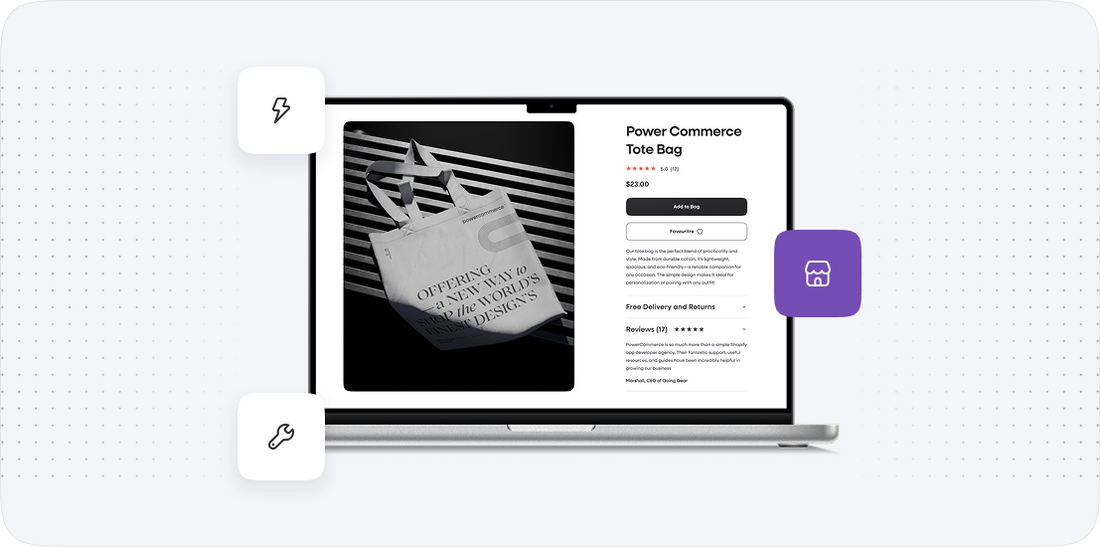
Step 3: Setting Up Shopline Environment
Before we can migrate data from Drupal Commerce, we need to establish a new environment on Shopline. This involves setting up your Shopline account and configuring it to match your business requirements.
The setup process entails the following:
- Create a Shopline Account: If you haven't already, sign up for a Shopline account. Choose a plan that fits your business size and needs.
- Configure Store Settings: Once your account is created, configure essential store settings, including:
- Store name and logo
- Currency settings
- Shipping options
- Tax settings
- Payment gateways
- Choose a Theme: Select an appropriate theme for your Shopline store. You can customize it later, but it’s important to choose one that aligns with your brand identity.
- Install Necessary Apps: Shopline offers a variety of apps that enhance functionalities. Identify and install any apps that will be essential post-migration, such as marketing tools, analytics, or inventory management tools.
By the end of this step, your Shopline environment will be ready for data migration, equipped with essential settings and tools to support your ecommerce operations.
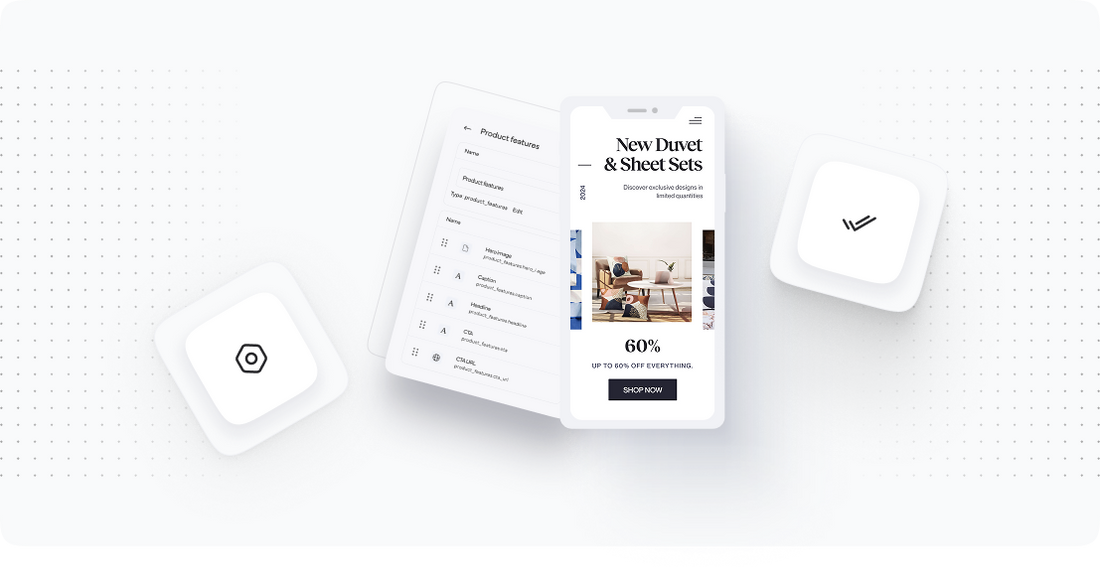
Step 4: Data Migration Process
The data migration from Drupal Commerce to Shopline is a critical step that requires careful execution to ensure data integrity. We will utilize specialized migration tools to facilitate this process, minimizing errors and ensuring a smooth transition.
Here’s our approach to the data migration:
- Select a Migration Tool: Choose a migration tool that supports Drupal Commerce to Shopline migrations. Popular options include LitExtension and Cart2Cart, which can automate much of the process.
- Map Data Fields: Before starting the migration, we need to map data fields from Drupal Commerce to their corresponding fields in Shopline. This includes:
- Products: Ensure product names, descriptions, prices, and images are accurately mapped.
- Customers: Transfer customer data, including names, emails, and order history.
- Orders: Migrate existing orders and their statuses to keep historical data intact.
- Run Migration: Execute the migration process. This typically involves:
- Running a test migration with a small dataset to identify any issues.
- Performing the full migration once the test is successful, ensuring all data is transferred.
- Monitor Migration: During the migration process, closely monitor for any errors or warnings. Document any issues that arise for post-migration troubleshooting.
By the end of this step, all critical data from Drupal Commerce will be successfully migrated to your new Shopline store, ensuring continuity in operations.
Step 5: Post-Migration Data Verification
Once the migration is completed, it is essential to verify that all data has been accurately transferred and is functioning correctly within the Shopline environment. This verification phase is crucial for identifying any discrepancies and ensuring that your new store operates seamlessly.
The verification process involves the following steps:
- Check Data Integrity: Verify that all data fields have been migrated correctly. This includes checking:
- Product details: Confirm that all product descriptions, images, and prices are accurate.
- Customer accounts: Ensure all customer details and order histories are intact.
- Order data: Review orders to ensure they reflect accurate statuses and details.
- Functional Testing: Conduct functional tests on the Shopline store to ensure that:
- The checkout process works smoothly, including payment processing.
- All links and navigation elements function correctly.
- Apps and extensions are integrated and functioning as intended.
- Performance Testing: Monitor the performance of your new Shopline store, checking for page load speeds and overall user experience. Make adjustments as necessary.
By the end of this step, we will confirm that all data has been accurately transferred and that the Shopline store is fully functional, setting the stage for a successful launch.
Step 6: SEO and URL Redirection Setup
Maintaining your SEO rankings during a migration is crucial for retaining traffic and ensuring that customers can easily find your new Shopline store. In this step, we will implement SEO best practices and set up URL redirections.
Here’s how we approach this:
- SEO Audit: Review the existing SEO settings from your Drupal Commerce site, including:
- Meta titles and descriptions
- Keyword usage
- Image alt texts
- Set Up URL Redirections: Create 301 redirects for all old Drupal Commerce URLs to their corresponding new Shopline URLs. This ensures that:
- Any existing backlinks continue to function.
- Customers are directed to the correct pages without encountering 404 errors.
- Update Sitemap: Generate a new XML sitemap for your Shopline store and submit it to search engines like Google Search Console. This helps search engines index your new site efficiently.
- Monitor SEO Performance: After migration, continuously monitor your SEO performance metrics, including traffic, rankings, and user behavior. Adjust your SEO strategy based on the data collected post-migration.
By the end of this step, we will have established a solid SEO foundation for your new Shopline store, preserving your existing traffic and ensuring visibility in search engines.
Step 7: Launching Your Shopline Store
The final step in our migration process is preparing for the official launch of your Shopline store. This involves final checks and ensuring that everything is in order for your customers to start shopping seamlessly.
Here’s how we prepare for the launch:
- Final Testing: Conduct a final round of tests to ensure all functionalities are working correctly. This includes:
- Checkout process
- Payment gateway operations
- Shipping calculations
- User Experience Review: Walk through the entire shopping experience as a customer. Check for:
- Ease of navigation
- Loading times
- Responsiveness on mobile devices
- Customer Communication: Inform your customers about the new store launch. This can include:
- Sending newsletters
- Posting on social media
- Updating your website with details about the new features and offerings
- Go Live: Once everything is confirmed, officially switch your domain to point to the new Shopline site. Monitor the launch closely for any issues that may arise.
By the end of this step, your Shopline store will be live and ready for customers, marking the successful completion of the migration from Drupal Commerce.
Power Your Step - Get in Touch
At PowerCommerce, we understand that migrating your ecommerce store can be a daunting task. Our experienced team is here to ensure your transition from Drupal Commerce to Shopline is as smooth and efficient as possible.
We invite you to reach out to us for a personalized consultation and discover how our expert services can help power your ecommerce journey:
- Visit our contact page: PowerCommerce Contact Page
- Call us at 800-099-9090
- Email us at info@powercommerce.com
With our commitment to innovation, scalability, and customer-centric solutions, we are dedicated to helping your business thrive in the competitive ecommerce landscape. Don’t wait--get in touch with us today!

Unlock dedicated support to shape an incredible future with solutions crafted for scale and innovation.
Let's WorkStay aligned on what's happening in the commerce world


Trusted by 1000+ innovative companies worldwide
Schedule Your Migration Today
For businesses prioritizing simplicity, scalability, and robust support, Shopify is the clear winner.
Looking to migrate without hassle? Power Commerce can handle the entire process, ensuring smooth data transfer, store setup, and post-launch success.
Marka Marulića 2, Sarajevo, 71000 BiH
00387 60 345 5801
info@powercommerce.com