






Hcl commerce to Salesforce commerce cloud
Migrating your store from Hcl commerce to Salesforce commerce cloud might seem daunting, but with proper planning and the right tools, it's a smooth process. Follow this step-by-step guide to ensure a successful transition.
Schedule a call
Step-by-Step Migration Guide: HCL Commerce to Salesforce Commerce Cloud migration guide
Step 1: Pre-Migration Assessment
In this initial step, we conduct a thorough assessment of your existing HCL Commerce setup to identify the specific requirements and challenges for a smooth migration to Salesforce Commerce Cloud.
Step 2: Data Backup and Preparation
In this step, we emphasize the importance of backing up all data and preparing it for migration to ensure that no information is lost during the transition.
Step 3: Data Migration Strategy
This step focuses on developing a comprehensive data migration strategy that outlines how to effectively transfer data from HCL Commerce to Salesforce Commerce Cloud.
Step 4: Full Data Migration Execution
In this critical phase, we execute the full data migration, transferring all data and configurations from HCL Commerce to Salesforce Commerce Cloud.
Step 5: Post-Migration Configuration
After the data migration, we configure Salesforce Commerce Cloud settings to match your business requirements and optimize performance.
Step 6: Testing and Quality Assurance
In this step, we rigorously test the new Salesforce Commerce Cloud setup to ensure everything functions correctly and meets quality standards.
Step 7: Launch and Go-Live
In the final preparation step, we plan the launch of your Salesforce Commerce Cloud store, ensuring a seamless transition for customers.
Power Your Step - Get in Touch
Ready to elevate your ecommerce strategy? Contact PowerCommerce for expert support in your migration journey.
Step 1: Pre-Migration Assessment
Objective: The pre-migration assessment is crucial as it lays the foundation for a successful transition from HCL Commerce to Salesforce Commerce Cloud. By understanding your current setup, including data structures, customizations, and integrations, we can tailor the migration process to suit your business needs. This step also helps in identifying potential risks and challenges that could arise during the migration.
We begin by gathering detailed information about your existing HCL Commerce environment. This includes:
- Inventory of Current Assets: Documenting all products, categories, customer data, and order histories.
- Custom Functionality Review: Evaluating any custom features or integrations that are critical to your operations.
- Performance Metrics: Analyzing current performance metrics to set benchmarks for the new platform.
Once we have a complete overview, we can develop a migration strategy that minimizes downtime and ensures a seamless transition.
Technical Considerations: During this phase, it is essential to assess compatibility between HCL Commerce and Salesforce Commerce Cloud. We will review:
- Data formats and structures to ensure a smooth data transfer.
- APIs and integration points to maintain connectivity with third-party services.
- Security measures to safeguard sensitive customer information during the migration process.
Following the assessment, we compile a detailed report outlining findings, recommendations, and a preliminary migration plan. This document will serve as our roadmap for the migration process, ensuring that all stakeholders are aligned on objectives and timelines.
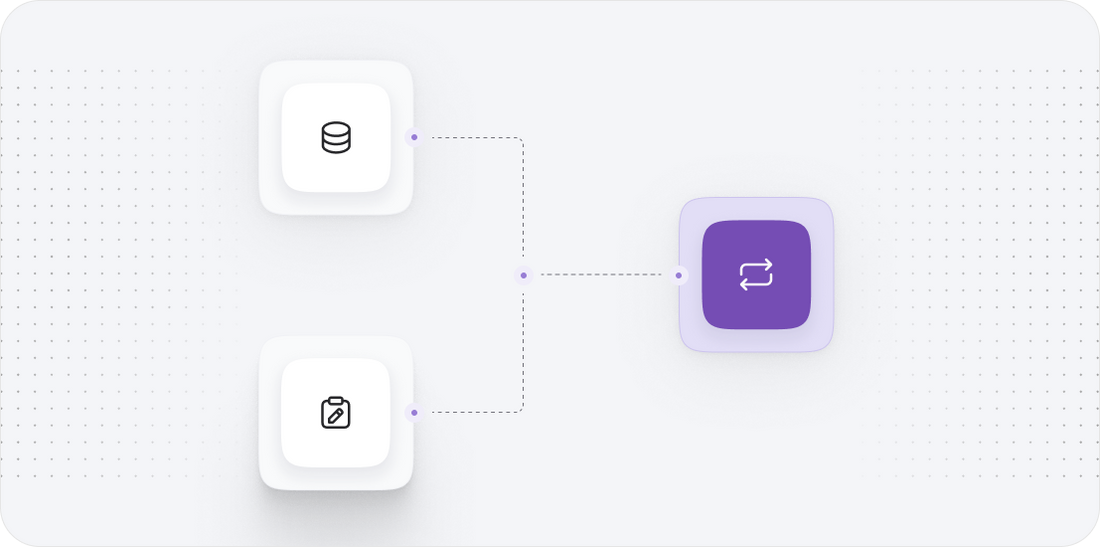
Step 2: Data Backup and Preparation
Objective: Data backup and preparation are critical to safeguarding your business information. Before initiating the migration, we perform a comprehensive backup of all data in your HCL Commerce environment. This ensures that we can recover quickly in the event of any unexpected issues during the migration process.
We begin with the following actions:
- Data Backup: We utilize reliable backup tools suitable for HCL Commerce, ensuring that all product information, customer data, order histories, and configurations are securely stored. We recommend backing up data in multiple formats, including SQL dumps and CSV files.
- Data Validation: After completing the backup, we validate the integrity of the data to ensure that no corruption has occurred and that all necessary data is included. This step involves checking the completeness of the backup files and running validation scripts.
Data Cleaning: As part of the preparation process, we also conduct data cleaning to remove any outdated or irrelevant information. This includes:
- Identifying and removing duplicate records.
- Correcting any inconsistencies in data entries.
- Ensuring that all product and customer data follows the required formatting standards for Salesforce Commerce Cloud.
Once the data is backed up and cleaned, we will prepare it for migration by mapping the data structures from HCL Commerce to Salesforce Commerce Cloud. This involves understanding how product categories, customer fields, and order data will translate into the new system.
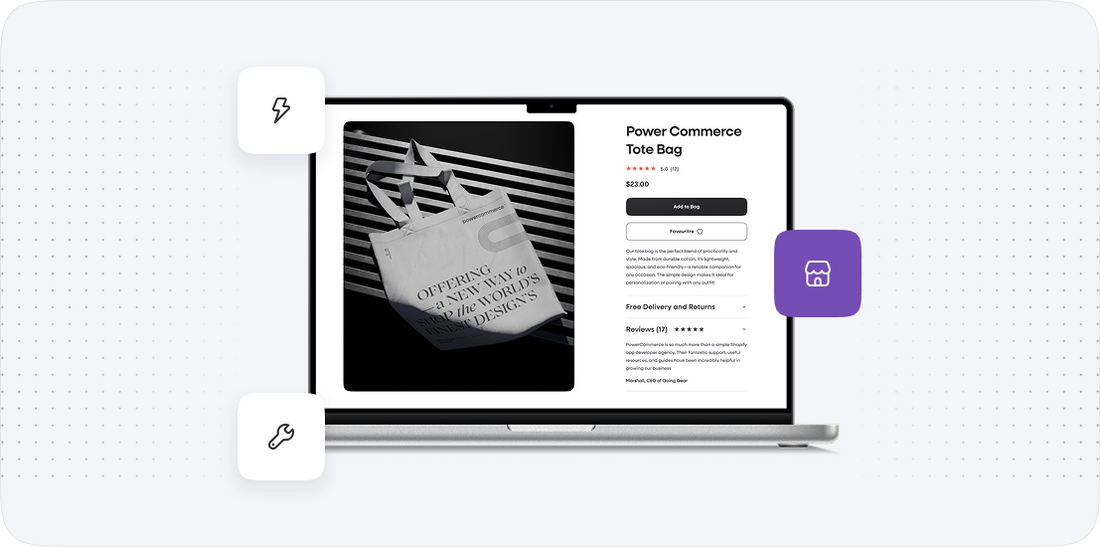
Step 3: Data Migration Strategy
Objective: A well-defined data migration strategy is essential for ensuring a smooth transition. This strategy outlines how we will transfer data from HCL Commerce to Salesforce Commerce Cloud while maintaining data integrity and minimizing disruption to your operations.
We start by creating a detailed data migration plan that includes:
- Mapping Data Fields: We create a mapping document that correlates data fields from HCL Commerce to Salesforce Commerce Cloud. This document specifies where each piece of data will reside in the new system, avoiding discrepancies.
- Choosing Migration Tools: We evaluate and select the best tools for the migration process. Options may include:
- ETL (Extract, Transform, Load) tools that facilitate data transfer and transformation.
- Direct API integrations that allow for real-time data transfer.
- Setting Migration Timelines: We establish a timeline for the migration process, including testing phases and go-live dates. This timeline will also consider low-traffic periods to minimize impact on customers.
Testing the Migration Process: Before executing the full migration, we conduct a test migration with a subset of data. This allows us to:
- Identify any potential issues in the data mapping or transfer process.
- Validate that the data appears correctly in Salesforce Commerce Cloud.
- Ensure that all integrations and functionalities are preserved.
After successfully testing the migration, we refine our strategy based on the insights gained and prepare for the full-scale migration.
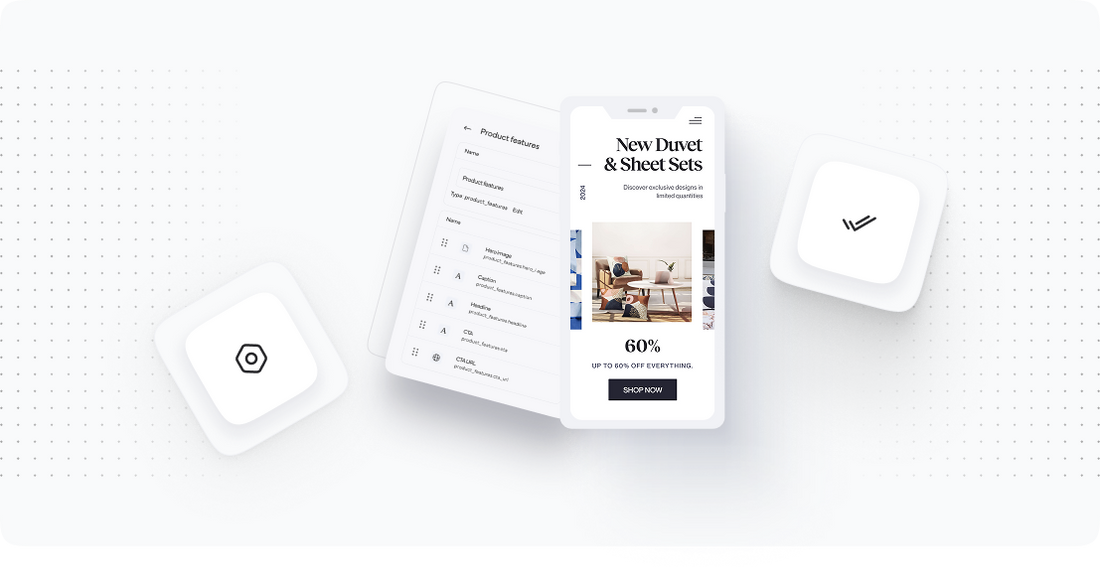
Step 4: Full Data Migration Execution
Objective: The execution of the full data migration is where the actual transfer of data takes place. This step is pivotal, as the integrity and accuracy of your data are paramount during this process.
We follow these steps during the execution:
- Initiating the Migration: Using the selected migration tools, we begin transferring data according to the predefined mapping. We will monitor the process closely to identify any errors or issues that arise during the transfer.
- Real-Time Monitoring: Our team will utilize monitoring tools to oversee the migration process in real-time. This includes:
- Watching for data transfer rates and ensuring they meet our expected benchmarks.
- Identifying and addressing any errors or warnings that occur during the migration.
- Post-Migration Verification: Once the data transfer is complete, we conduct a post-migration verification. This involves:
- Cross-checking data in Salesforce Commerce Cloud against the original data in HCL Commerce.
- Ensuring that all data fields are correctly populated and accessible.
Data Integrity Checks: We run integrity checks to confirm that no data has been lost or corrupted during the migration. This includes validating that:
- Customer records are complete and accurate.
- Product information is correctly categorized and described.
- Order histories reflect all transactions without discrepancies.
This phase concludes with a thorough review and documentation of the migration process, including any issues encountered and how they were resolved.
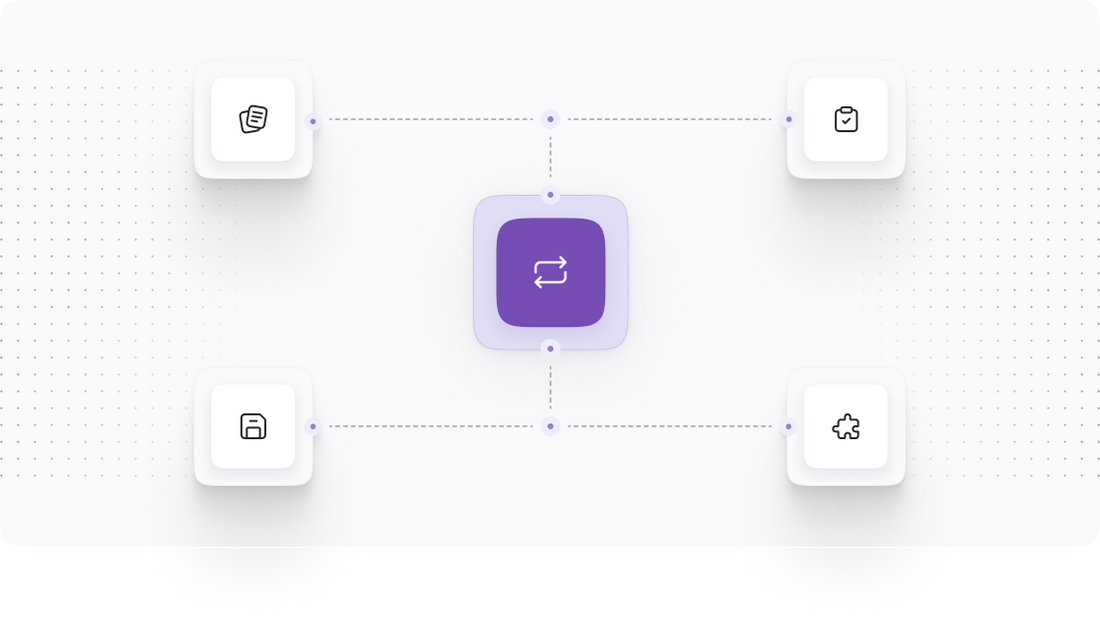
Step 5: Post-Migration Configuration
Objective: Post-migration configuration is essential to ensure that Salesforce Commerce Cloud operates efficiently and meets your business needs. This step involves adjusting settings and optimizing features based on the data transferred.
We focus on several key areas:
- Storefront Configuration: We configure the storefront settings to align with your branding and customer experience goals. This includes:
- Customizing themes and layouts.
- Setting up navigation structures and product displays.
- Payment and Shipping Setup: We ensure that payment gateways and shipping methods are correctly configured to facilitate smooth transactions. This step includes:
- Integrating payment processors and testing payment functionalities.
- Setting up shipping options and rates based on your business model.
- SEO Optimization: We will implement SEO best practices to ensure that your new store is optimized for search engines. This includes:
- Setting up 301 redirects from old URLs to new ones.
- Optimizing meta tags, alt texts, and descriptions for products.
Feature Enhancements: We also explore additional features and integrations available in Salesforce Commerce Cloud, such as:
- Implementing AI-driven personalization tools.
- Enabling marketing automation features.
Finally, we conduct a thorough review of all configurations to ensure everything aligns with your operational goals and customer expectations.
Step 6: Testing and Quality Assurance
Objective: Testing and quality assurance are critical to confirming that your Salesforce Commerce Cloud environment operates as intended. This phase ensures that any issues are identified and resolved before going live.
We implement a comprehensive testing strategy that includes:
- Functional Testing: We test all functionalities of the site, including:
- Product searches and filters.
- Shopping cart operations.
- Checkout processes.
- User Acceptance Testing (UAT): We involve key stakeholders in UAT to ensure that the platform meets business requirements. This includes collecting feedback from:
- Merchandising teams.
- Customer service representatives.
- Performance Testing: We conduct performance tests to ensure that the site can handle expected traffic loads. This includes:
- Load testing to assess how the system behaves under high traffic.
- Stress testing to identify breaking points.
After completing the testing, we document all findings and implement necessary adjustments based on the feedback gathered. Our goal is to ensure that the platform is fully functional, user-friendly, and equipped to deliver an exceptional customer experience.
Step 7: Launch and Go-Live
Objective: The launch and go-live phase marks the culmination of our migration efforts, transitioning your operations to Salesforce Commerce Cloud. A well-coordinated launch is vital to ensuring that customers experience minimal disruption.
We approach the launch with a detailed plan that includes:
- Final Data Sync: Before going live, we perform a final sync of data to ensure that any changes made post-migration are reflected in the new system.
- Stakeholder Communication: We communicate with all relevant stakeholders about the launch, ensuring that everyone is prepared for the transition. This includes:
- Customer service teams who will assist customers during the transition.
- Marketing teams to prepare any promotional campaigns related to the launch.
- Go-Live Execution: On the launch day, we execute the go-live plan, which involves:
- Switching DNS settings to point to the new Salesforce Commerce Cloud store.
- Monitoring the site closely for any issues as customers begin to access the new platform.
Post-Launch Support: After launching, we provide immediate support to address any issues that arise. This includes:
- Monitoring site performance and customer interactions to ensure everything runs smoothly.
- Gathering feedback from users and stakeholders to make any necessary adjustments.
This phase is not just about launching the site but also about ensuring that we set the stage for ongoing success on the Salesforce Commerce Cloud platform.
Power Your Step - Get in Touch
Are you ready to take your ecommerce business to the next level? At PowerCommerce, we specialize in seamless migrations from HCL Commerce to Salesforce Commerce Cloud. Our team of experts is dedicated to ensuring that your transition is smooth, efficient, and aligned with your business goals.
Contact us today to get started:
- Visit our contact page to fill out our form.
- Call us directly at 800-099-9090 for immediate assistance.
- Email us at info@powercommerce.com with your questions and needs.
Join us at PowerCommerce, where innovation meets integrity, and let us help you unlock your ecommerce potential today!

Unlock dedicated support to shape an incredible future with solutions crafted for scale and innovation.
Let's WorkStay aligned on what's happening in the commerce world


Trusted by 1000+ innovative companies worldwide
Schedule Your Migration Today
For businesses prioritizing simplicity, scalability, and robust support, Shopify is the clear winner.
Looking to migrate without hassle? Power Commerce can handle the entire process, ensuring smooth data transfer, store setup, and post-launch success.
Marka Marulića 2, Sarajevo, 71000 BiH
00387 60 345 5801
info@powercommerce.com