






Hcl commerce to Vtex
Migrating your store from Hcl commerce to Vtex might seem daunting, but with proper planning and the right tools, it's a smooth process. Follow this step-by-step guide to ensure a successful transition.
Schedule a call
HCL Commerce to VTEX Migration Guide
Step 1: Assess Your Current HCL Commerce Setup
In this initial step, we will thoroughly analyze your existing HCL Commerce environment, including its architecture, data structure, and functionalities, to prepare for a successful migration to VTEX.
Step 2: Data Backup and Security Considerations
In this crucial step, we focus on securing your data by creating backups and ensuring that all sensitive information is protected during the migration process.
Step 3: Data Mapping and Transformation
We will define how data from HCL Commerce will be structured in VTEX, focusing on mapping existing fields to their new counterparts and transforming data as necessary.
Step 4: Setting Up Your VTEX Environment
In this step, we will configure your new VTEX environment, including setting up the storefront, payment methods, and other essential features.
Step 5: Data Migration Execution
In this step, we will execute the actual data migration from HCL Commerce to VTEX, ensuring all data is transferred accurately and efficiently.
Step 6: Post-Migration Testing and Optimization
After migration, we will conduct thorough testing and optimization of your new VTEX setup to ensure everything functions as expected.
Step 7: Launch and Monitor Your New VTEX Store
Finally, we will launch your new VTEX store and monitor its performance closely to ensure a successful transition and optimal operation.
Power Your Step - Get in Touch
Contact PowerCommerce to leverage our expert support in your migration journey from HCL Commerce to VTEX.
Step 1: Assess Your Current HCL Commerce Setup
Before initiating the migration from HCL Commerce to VTEX, it’s crucial to conduct a comprehensive assessment of your current HCL Commerce setup. This step is essential to understand the complexities involved in your existing eCommerce environment, including all the features, functionalities, and integrations that need to be considered during the migration process.
Begin by gathering information about your current system architecture, including the version of HCL Commerce you are using, any customizations that have been implemented, and the specific modules that are active. Document the following elements:
- Site Structure: Map out your current site structure, including categories, product pages, and custom landing pages.
- Data Inventory: Compile a list of all data types that will be migrated, such as product information, customer data, order history, and content assets.
- Integrations: Identify all third-party integrations (e.g., payment gateways, shipping providers, CRM systems) that are currently in use and need to be replicated in VTEX.
Additionally, evaluate your current user experience (UX) and any specific functionalities that your customers have come to expect. This evaluation will guide the configuration of similar features in VTEX to ensure minimal disruption during the transition.
Finally, ensure to gather feedback from stakeholders regarding any specific business needs or goals that should be addressed in the new VTEX setup. This will be pivotal for tailoring the migration strategy to meet both current and future requirements.
Step 2: Data Backup and Security Considerations
Data integrity is paramount during any migration process, particularly when transitioning from HCL Commerce to VTEX. To safeguard your valuable information, we recommend implementing a robust data backup strategy before proceeding with the migration. This step involves several critical actions:
- Full Data Backup: Perform a complete backup of your HCL Commerce database, including customer data, product catalogs, order histories, and any custom data structures. Utilize tools like
mysqldumpor database management software like phpMyAdmin for MySQL databases, or the equivalent for your specific database type. - File Backups: Ensure all relevant files, such as media assets, templates, and custom scripts, are securely backed up. Consider using a cloud storage solution or an external hard drive for redundancy.
- Security Audit: Conduct a security audit of your HCL Commerce environment to identify and mitigate any vulnerabilities. This includes ensuring that all software is updated and that security protocols are in place to protect sensitive data during the migration.
Once backups are completed and verified, it’s essential to ensure that all data handling practices during the migration align with industry regulations such as GDPR or CCPA. This will help in maintaining compliance and protecting customer information throughout the process.
Step 3: Data Mapping and Transformation
Data mapping and transformation are crucial for ensuring that the data migrated from HCL Commerce is accurately represented in VTEX. This step involves understanding how data types and structures differ between the two platforms and preparing the data for a seamless transition.
Begin by creating a detailed mapping document that outlines:
- Field Mapping: Compare the fields in your HCL Commerce database with the corresponding fields in VTEX. For instance, product attributes such as
SKU,price, orinventorymust be aligned with their respective fields in VTEX. - Data Transformation: Identify any necessary transformations required during the migration. This may involve changing data formats, such as converting currency values or date formats, or aggregating data for reporting purposes.
- Custom Fields: If your HCL Commerce setup includes custom fields, determine how these will be handled in VTEX. You may need to create new custom fields in VTEX to accommodate this data.
Utilize ETL (Extract, Transform, Load) tools such as Talend or Apache Nifi to facilitate this process. These tools can automate data extraction from HCL Commerce, apply the necessary transformations, and prepare the data for loading into VTEX.
Once the mapping and transformation process is complete, conduct thorough testing to ensure data accuracy before proceeding with the migration.
Step 4: Setting Up Your VTEX Environment
With your data prepared and mapped, the next step is to set up your new VTEX environment. This involves configuring various components of the platform to ensure that it meets your business needs and aligns with the customer experience you aim to deliver.
Start by following these steps:
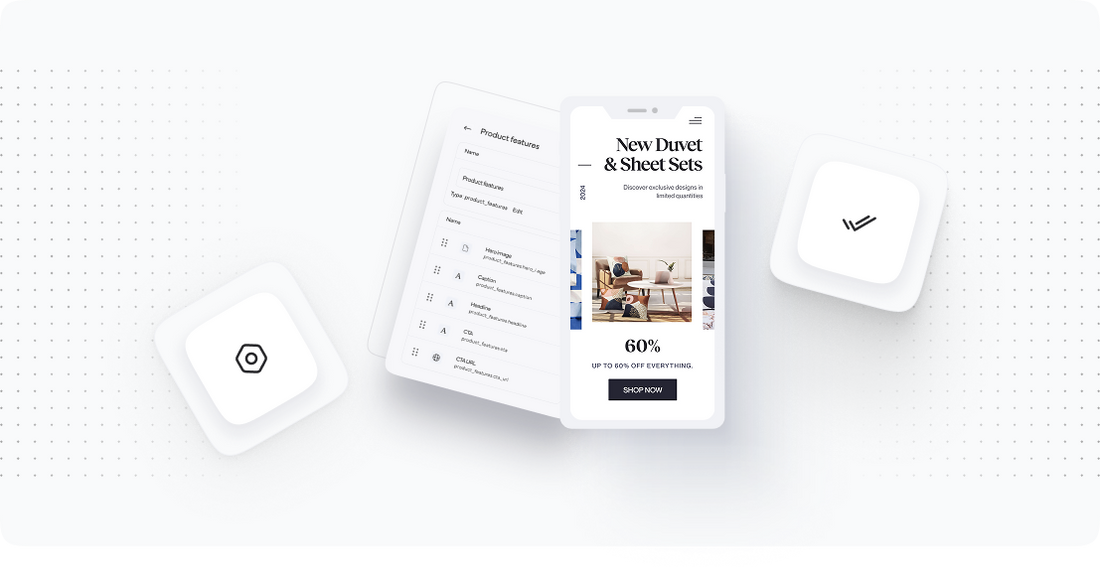
- Storefront Configuration: Utilize VTEX's Store Framework to design your storefront. You can customize the layout, navigation, and overall look and feel to reflect your brand identity. Leverage the drag-and-drop functionality to create a visually appealing user interface.
- Payment Setup: Configure your payment methods by integrating with payment gateways that VTEX supports. VTEX allows you to set up multiple payment options, including credit cards, PayPal, and local payment methods, ensuring a seamless checkout experience for your customers.
- Shipping and Logistics: Set up your shipping options within VTEX. This includes configuring shipping providers, setting shipping rates, and defining delivery methods. Be sure to test the shipping calculations to ensure accuracy.
Additionally, don’t forget to implement SEO best practices during the setup phase, such as optimizing URLs, meta tags, and site speed to enhance visibility in search engines.
Step 5: Data Migration Execution
Now that your VTEX environment is configured, it’s time to execute the data migration. This crucial step involves transferring the mapped and transformed data from HCL Commerce to VTEX while ensuring minimal disruption to your business operations.
Follow these steps for a successful migration:
- Pre-Migration Testing: Before executing the full data migration, conduct a pilot test by migrating a small subset of data. This allows you to identify any issues in the migration process and make necessary adjustments without affecting the entire database.
- Migration Tools: Utilize migration tools such as VTEX's built-in import functionalities or third-party ETL solutions. Ensure that the tools you select are capable of handling the volume and complexity of your data.
- Data Validation: After the migration, perform thorough validation checks to ensure that all data has been accurately migrated. This includes verifying that product information, customer accounts, and order history are intact and correctly represented in VTEX.
It’s also advisable to keep your HCL Commerce environment in a read-only mode during the migration to prevent any changes that could lead to data discrepancies.
Step 6: Post-Migration Testing and Optimization
Once the data migration is successfully completed, the next step is to conduct a series of post-migration tests to verify that the new VTEX setup functions correctly and meets all business requirements. This phase is critical for ensuring a smooth transition for your users.
Here’s how to proceed:
- Functional Testing: Test all functionalities on the VTEX platform, including product searches, cart functionality, checkout processes, and payment integrations. Ensure that everything operates as expected without errors.
- User Acceptance Testing (UAT): Involve key stakeholders and end-users in testing the new environment. Gather feedback on usability and functionality, making necessary adjustments based on their input.
- Performance Optimization: Monitor the performance of your new site, focusing on load times and responsiveness. Utilize performance optimization tools to identify and mitigate any bottlenecks, ensuring that your site can handle peak loads effectively.
Once testing is complete and any issues addressed, you can confidently prepare for the official launch of your new VTEX environment.
Step 7: Launch and Monitor Your New VTEX Store
With successful testing behind you, it’s time to launch your new VTEX store. This is an exciting phase where all your planning and hard work come to fruition. However, it also requires careful monitoring to ensure everything runs smoothly post-launch.
Follow these steps during and after the launch:
- Launch Strategy: Choose an optimal time for the launch, ideally during off-peak hours to minimize impact on customer transactions. Communicate the launch details internally to ensure all team members are prepared for the transition.
- Real-Time Monitoring: Utilize VTEX’s analytics and reporting tools to monitor key performance indicators (KPIs) immediately after launch. Focus on site traffic, conversion rates, and any error reports to address issues as they arise.
- Customer Feedback: Encourage customers to provide feedback on their experience with the new site. Monitor customer interactions and support inquiries to identify any areas for improvement.
Post-launch, continue to optimize your store based on user feedback and performance metrics, ensuring that your new VTEX environment meets evolving business needs.
Power Your Step - Get in Touch
If you are ready to take the next step in your ecommerce journey, we invite you to contact us at PowerCommerce. Our team of experts is dedicated to ensuring that your migration from HCL Commerce to VTEX is seamless and successful.
To get started, you can:
- Visit our contact page to fill out a form.
- Call us directly at 800-099-9090.
- Email us at info@powercommerce.com.
Let us help you harness the power of VTEX to enhance your ecommerce capabilities. We look forward to partnering with you for success!

Unlock dedicated support to shape an incredible future with solutions crafted for scale and innovation.
Let's WorkStay aligned on what's happening in the commerce world


Trusted by 1000+ innovative companies worldwide
Schedule Your Migration Today
For businesses prioritizing simplicity, scalability, and robust support, Shopify is the clear winner.
Looking to migrate without hassle? Power Commerce can handle the entire process, ensuring smooth data transfer, store setup, and post-launch success.
Marka Marulića 2, Sarajevo, 71000 BiH
00387 60 345 5801
info@powercommerce.com