






Horoshop to Shopify
Migrating your store from Horoshop to Shopify might seem daunting, but with proper planning and the right tools, it's a smooth process. Follow this step-by-step guide to ensure a successful transition.
Schedule a call
Step-by-Step Migration Guide: Horoshop to Shopify migration guide
Step 1: Preparing for Migration - Data Backup
In this initial step, we emphasize the importance of backing up your existing data from Horoshop to ensure a secure migration process.
Step 2: Analyzing Data for Migration
In this step, we delve into the analysis of your existing data to ensure a smooth transition to Shopify.
Step 3: Choosing a Migration Method
We explore the various methods available for migrating data from Horoshop to Shopify, ensuring you select the best option for your needs.
Step 4: Migrating Product Data
This step details the process of transferring product data from Horoshop to Shopify, ensuring all relevant information is accurately imported.
Step 5: Migrating Customer Data
Here, we focus on the steps required to migrate customer data to Shopify, ensuring continuity in customer relationships.
Step 6: Migrating Order History
In this step, we detail the process of transferring order history from Horoshop to Shopify, ensuring continuity in order tracking.
Step 7: Setting Up Your Shopify Store
This step focuses on customizing and configuring your new Shopify store to reflect your brand and optimize user experience.
Power Your Step - Get in Touch
Ready to migrate your store? Contact PowerCommerce for expert support in your ecommerce transition.
Step 1: Preparing for Migration - Data Backup
Before initiating the migration from Horoshop to Shopify, it is crucial to prepare by backing up all relevant data. This step is vital to safeguard against potential data loss during the transition process. We recommend implementing a comprehensive backup strategy that includes the following:
- Database Backups: Utilize tools like phpMyAdmin or MySQL Workbench to export your existing database. Ensure that you back up all relevant tables, particularly those related to products, customers, and orders.
- File Backups: Manually download all website files, including images, product descriptions, and any custom code or themes that you may have used. This provides a fallback option should you need to reference your old site during the migration.
- Exporting Content: Use Horoshop’s export features to generate CSV files for products, customers, and orders. These CSV files will be essential when importing data into Shopify.
Backing up your data not only protects your business but also facilitates a smoother migration process. By ensuring that all information is accounted for and secured, we eliminate risks and enhance the likelihood of a successful transition.
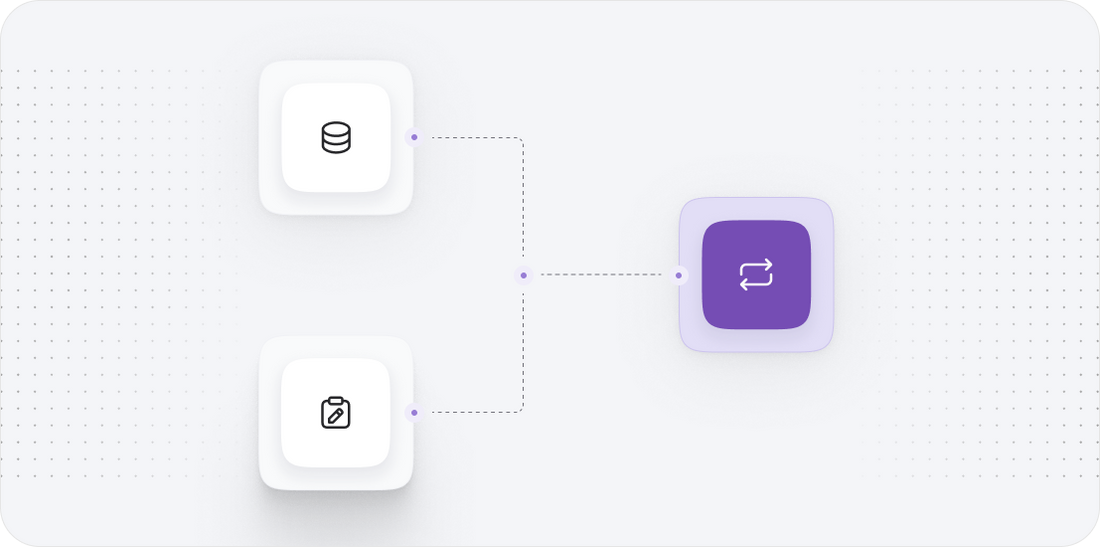
Step 2: Analyzing Data for Migration
Post-backup, we focus on analyzing the data collected from Horoshop. This step is crucial for identifying what data will be transferred and how it should be structured in Shopify. Here’s how to proceed:
- Review Product Data: Ensure that your product information, including titles, descriptions, prices, SKUs, and inventory levels, are accurate. This is also a good time to clean any duplicated or outdated entries.
- Customer Data Assessment: Compile customer information such as names, email addresses, and order histories. This will help maintain customer relationships post-migration.
- Order History Verification: Confirm that all past orders are documented and ready for transfer to Shopify. This helps in maintaining customer service continuity.
With a comprehensive analysis, we can determine the best way to format this data for import into Shopify, ensuring that we adhere to Shopify’s import requirements.

Step 3: Choosing a Migration Method
Once we have prepared and analyzed the data, the next step is to choose a migration method. Depending on the volume of data and specific requirements, there are several options:
- Manual Import: For smaller stores, manually importing products and customer data using Shopify’s built-in import functionality may be sufficient. This involves using CSV files generated from Horoshop to upload directly into Shopify.
- Migration Apps: For larger stores or more complex migrations, consider using third-party migration applications like Cart2Cart or LitExtension. These tools automate the migration process, handling data integrity and minimizing downtime.
- Custom Development: If your migration involves unique data or extensive customization, we can develop a custom migration solution tailored to your needs. This ensures that all data is transferred accurately without losing any critical information.
Choosing the right migration method is essential for ensuring a smooth transition and minimizing disruptions to your business operations.

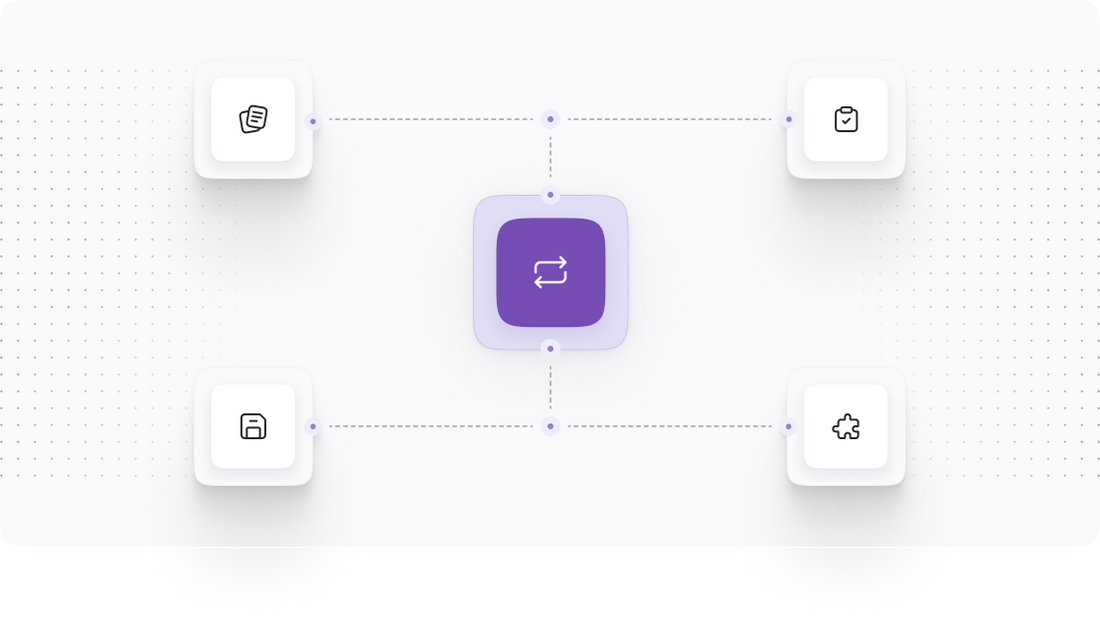
Step 4: Migrating Product Data
The migration of product data is a crucial phase in transitioning from Horoshop to Shopify. This step involves several key actions:
- CSV Formatting: Prepare the product CSV files according to Shopify’s import templates. This includes fields for product titles, descriptions, images, inventory levels, and variants.
- Image Migration: Ensure that all product images are uploaded to Shopify. You may need to manually download images from Horoshop and then upload them to the corresponding products in Shopify.
- Import Process: Utilize Shopify’s product import functionality to upload the CSV files. This can be done through the Shopify admin panel, where you can select the CSV file to be imported.
After completing the import, it is important to verify that all products have been transferred correctly. Check for missing images, inaccurate descriptions, and inventory discrepancies to maintain data integrity.
Step 5: Migrating Customer Data
Following the successful migration of product data, the next step is to migrate customer data from Horoshop to Shopify. This is essential for maintaining customer relationships and ensuring a seamless transition. Here’s how to effectively carry out this step:
- CSV Preparation: Similar to product data, customer data must be formatted into a CSV file compatible with Shopify. This typically includes customer names, email addresses, contact details, and order history.
- Data Integrity Checks: Before importing, check for duplicate entries or inaccuracies within the customer data. Cleaning this data ensures that your customer base is accurately represented in Shopify.
- Importing Customers: Use Shopify’s import tool to load the customers’ CSV file. This can be done via the 'Customers' section in the Shopify admin panel.
After completing the import, conduct a thorough review of the customer database in Shopify to confirm that all entries have been imported accurately and are associated with the correct historical order data.
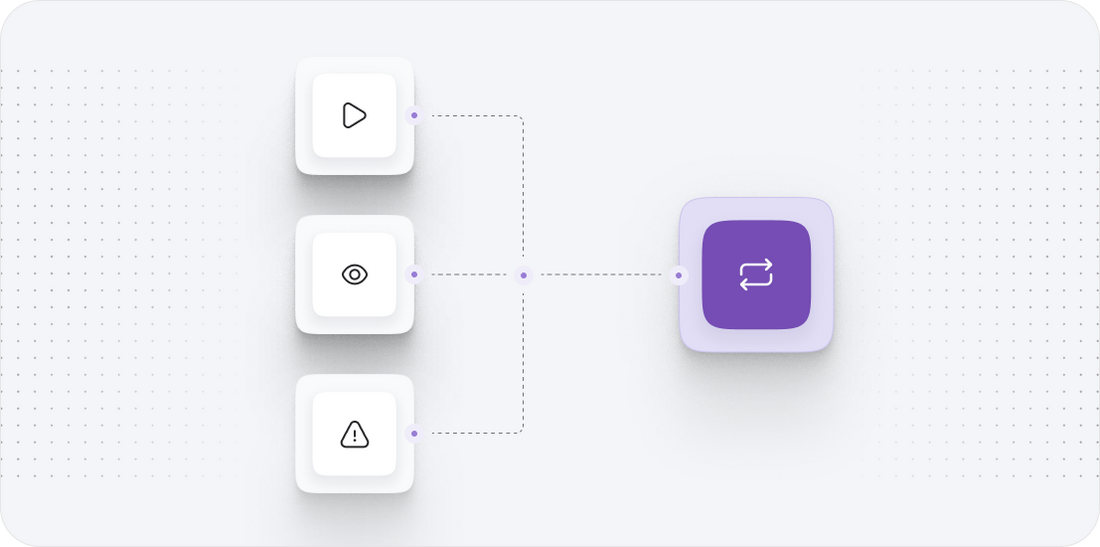
Step 6: Migrating Order History
Transferring order history is critical for eCommerce operations, as it maintains continuity in customer service and order tracking. To effectively migrate order history from Horoshop to Shopify, follow these steps:
- Export Order Data: Use Horoshop’s export features to compile a list of all historical orders into a CSV file. Ensure that the file includes all essential order details, such as order IDs, customer information, products ordered, and order statuses.
- CSV Formatting: Format the orders CSV file according to Shopify's specifications. This may require adjusting column headers and ensuring that all required fields are present for successful import.
- Import Orders: Utilize Shopify’s order import functionality to upload the orders CSV file. This process can be initiated within the 'Orders' section of the Shopify admin interface.
Once the order data is imported, review the orders in Shopify to confirm that all records are accurate and that customers can access their order histories without disruption.
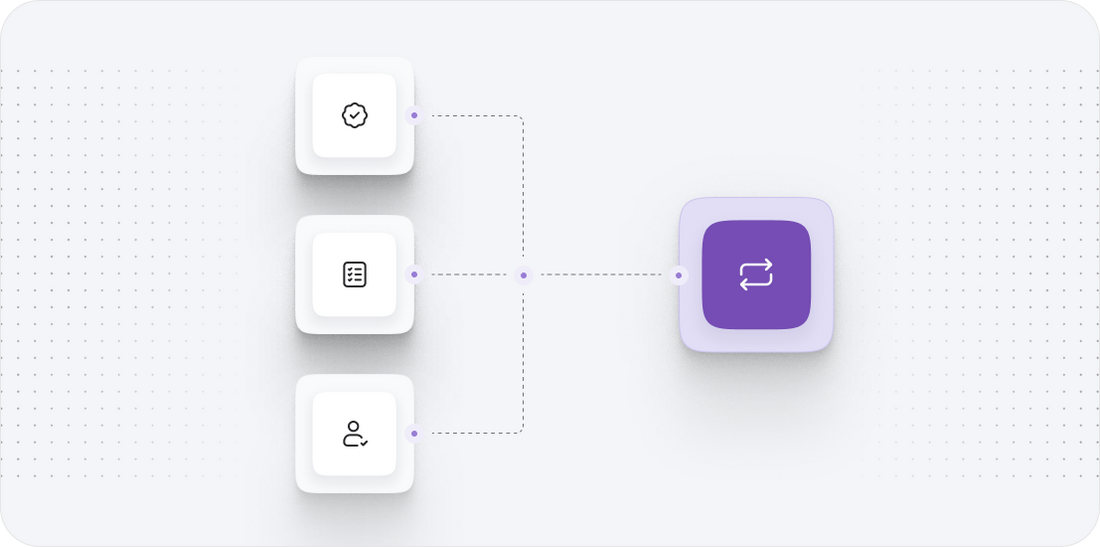
Step 7: Setting Up Your Shopify Store
With all data migrated, setting up your Shopify store is the final step before going live. This involves customizing your store's appearance and configuring essential settings:
- Selecting a Theme: Choose a Shopify theme that reflects your brand's identity. Consider using Shopify's Theme Store for a variety of professionally-designed templates. Customize the theme using the drag-and-drop builder to suit your preferences.
- Configuring Payment and Shipping: Set up payment gateways to facilitate transactions. Shopify supports various payment methods, including credit cards, PayPal, and others. Additionally, configure shipping options to meet customer needs.
- Testing Functionality: Before launching, conduct thorough testing of your store's functionality. Ensure that product pages display correctly, the checkout process is seamless, and all links work properly.
By completing these setup tasks, you will ensure that your Shopify store is well-prepared for operation, providing an optimal shopping experience for your customers.
Power Your Step - Get in Touch
At PowerCommerce, we understand that migrating your ecommerce store is a significant step, and we are here to help you every step of the way. Our team of experts specializes in seamless migrations from Horoshop to Shopify, ensuring that your transition is smooth and efficient.
Contact us today to learn more about how we can assist you in this process. Our services include:
- Comprehensive migration strategy tailored to your business needs
- Support for payment and shipping setup
- Optimization strategies to enhance your new Shopify store’s performance
Don’t hesitate to reach out to us!
You can contact us via:
- Phone: 800-099-9090
- Email: info@powercommerce.com
- Visit our contact page: PowerCommerce Contact
Let us help you power your ecommerce journey!

Unlock dedicated support to shape an incredible future with solutions crafted for scale and innovation.
Let's WorkStay aligned on what's happening in the commerce world


Trusted by 1000+ innovative companies worldwide
Schedule Your Migration Today
For businesses prioritizing simplicity, scalability, and robust support, Shopify is the clear winner.
Looking to migrate without hassle? Power Commerce can handle the entire process, ensuring smooth data transfer, store setup, and post-launch success.
Marka Marulića 2, Sarajevo, 71000 BiH
00387 60 345 5801
info@powercommerce.com