






Insales to Shopify
Migrating your store from Insales to Shopify might seem daunting, but with proper planning and the right tools, it's a smooth process. Follow this step-by-step guide to ensure a successful transition.
Schedule a call
Step-by-Step Migration Guide: InSales to Shopify Migration Guide
Step 1: Conduct a Comprehensive Pre-Migration Audit
In this initial step, we focus on performing a thorough audit of your existing InSales store, ensuring a successful migration by identifying critical data elements and potential issues that could arise during the transition.
Step 2: Backup Your InSales Store Data
Backing up your InSales store data is vital to prevent any data loss during the migration process. We will guide you through creating secure backups of all critical information.
Step 3: Prepare Your Shopify Store for Data Import
In this step, we will set up your Shopify store to receive data from InSales, ensuring a proper configuration for a seamless data import process.
Step 4: Import Data from InSales to Shopify
Now we will import all the essential data from your InSales store to Shopify. This process involves transferring products, customers, and orders while ensuring data integrity.
Step 5: Optimize Your Shopify Store for SEO
After transferring your data, we will focus on optimizing your new Shopify store for search engines, ensuring that your SEO rankings are preserved and improved.
Step 6: Test and Validate Your New Shopify Store
Before launching your new store, we will conduct thorough testing to validate all functionalities, ensuring everything operates smoothly for your customers.
Step 7: Launch Your New Shopify Store
We are now ready to launch your new Shopify store! This step involves making your store live and monitoring its performance closely post-launch.
Power Your Step - Get in Touch
Ready to migrate your store from InSales to Shopify? Contact us today to leverage our expert migration support for a seamless transition.
Step 1: Conduct a Comprehensive Pre-Migration Audit
Before we begin the migration from InSales to Shopify, it is essential to conduct a comprehensive audit of your current store. This audit serves as a foundational step, allowing us to gather crucial insights about your existing setup, data structure, and overall performance. The objective is to identify all necessary components for migration, including products, customer data, order history, and any custom functionalities. Understanding these elements will help mitigate risks and streamline the migration process.
During the audit, we will assess the following:
- Product Data: Review your entire product catalog, including descriptions, images, prices, and inventory levels. Ensure that all product variants are clearly documented.
- Customer Information: Evaluate your customer database, including contact details, order history, and any segmentation data that may be useful post-migration.
- Order History: Collect historical order data that needs to be migrated. This is important for maintaining customer relationships and insights into purchasing behavior.
- Content Pages: Identify which content pages, such as blogs, FAQs, and policy pages, are essential for your business and should be migrated to Shopify.
- Custom Features: Take note of any custom functionalities or third-party integrations that your InSales store utilizes, as these may require special attention during the migration.
Additionally, it is crucial to evaluate the performance metrics of your InSales store. Understanding your current traffic patterns, conversion rates, and other key performance indicators (KPIs) will help us set benchmarks for success in Shopify. Documenting these metrics allows us to measure the effectiveness of the migration after it is completed.
By thoroughly conducting this pre-migration audit, we can create a detailed migration plan tailored to your specific needs, ultimately ensuring a smooth transition from InSales to Shopify.
Step 2: Backup Your InSales Store Data
To safeguard against potential data loss during the migration, we prioritize creating a comprehensive backup of your InSales store. This step is vital for preserving all your essential information, including products, customer data, and order history. By having a complete backup, we can ensure that no critical data is lost if any issues arise during the migration process.
Here’s how we proceed with the backup:
- Data Export: Use the export functionality provided by InSales to generate CSV files for your products, customers, and orders. Navigate to the corresponding sections in your InSales admin panel:
- For Products: Go to the Products section and select 'Export' to save the product data as a CSV file.
- For Customers: Access the Customers section and choose 'Export' to download customer details.
- For Orders: Visit the Orders section and export your order history.
- Backup Media Files: Ensure that all media files (product images, banners, etc.) are securely backed up. Download them from your InSales dashboard or access them directly from the server if applicable.
- Document Settings and Configurations: Take notes of any specific settings or configurations in your InSales store that may not be captured in the export files. This includes payment gateway settings, shipping configurations, and tax settings.
Once we have created a complete backup, we will securely store it in an offsite location. This ensures that we can restore your data quickly if necessary. By taking these precautions, we can confidently proceed with the migration, knowing that your data is safe and retrievable.
Step 3: Prepare Your Shopify Store for Data Import
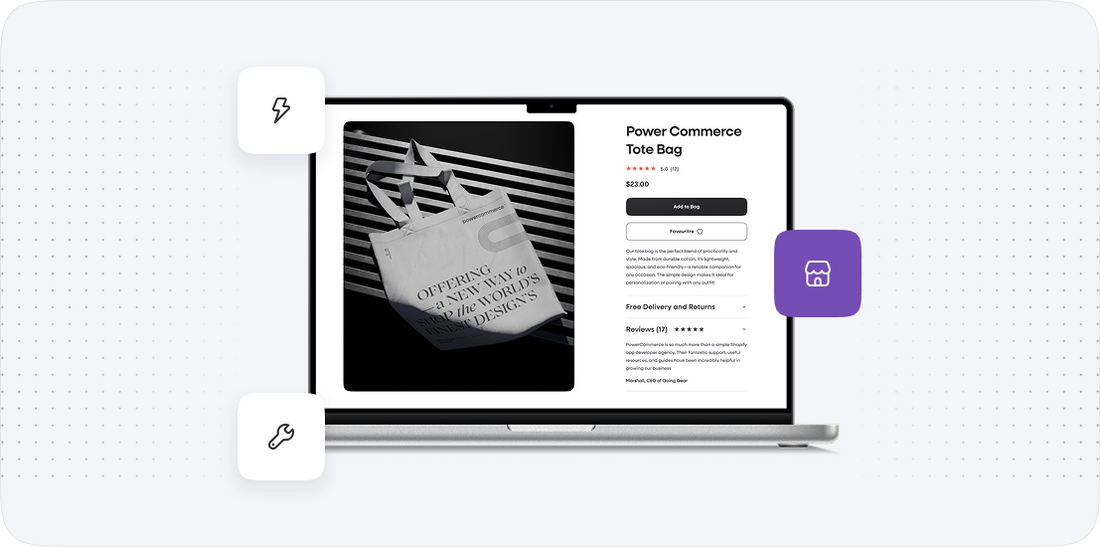
With the backup of your InSales store complete, the next step involves preparing your new Shopify store to receive the imported data. This includes configuring essential settings and ensuring that your Shopify environment is optimized for a smooth migration. Proper preparation will minimize disruptions and enhance the overall performance of your new store.
We will undertake the following actions:
- Create Your Shopify Account: If you haven't done so already, we will set up your Shopify account. Choose a plan that fits your business needs and complete the initial setup.
- Choose a Theme: Select a Shopify theme that aligns with your brand identity. Pay attention to the design and layout, as this will influence customer experience. We recommend starting with a responsive theme that is optimized for mobile devices.
- Set Up Payment Gateways: Configure payment processing by selecting your preferred payment gateways. Shopify supports various options, including credit cards, PayPal, and other third-party apps. Ensure that you set up the necessary accounts and verify that everything is functioning correctly.
- Configure Shipping Options: Set up your shipping settings, including carriers, shipping rates, and zones. Shopify allows you to define shipping rules based on weight, price, or specific products, making it flexible for different business models.
- Establish Tax Settings: Ensure that your tax settings are configured according to local regulations. Shopify provides options for automatic tax calculations based on the customer's location.
After completing the initial setup, we will also install any necessary apps from the Shopify App Store that you may need to facilitate the data import process. This could include apps for bulk importing data, SEO optimization, or any specific functionalities that were utilized in your InSales store.
By meticulously preparing your Shopify store, we set the stage for a successful import of your data from InSales, ensuring that the transition is as seamless as possible.
Step 4: Import Data from InSales to Shopify
With your Shopify store configured and ready, we will begin the critical task of importing data from InSales. This step involves transferring products, customer details, and order history to ensure that your new Shopify store retains all essential business information. Maintaining data integrity throughout this process is paramount to ensure a smooth transition.
We will follow these detailed steps for the data import:
- Use Data Import Tools: Utilize Shopify’s built-in import tools or third-party apps designed for importing CSV files. These tools streamline the process of mapping data fields from InSales to Shopify.
- Map Data Fields: Carefully map the data fields from your InSales exports to the corresponding fields in Shopify. This includes ensuring that product titles, descriptions, prices, and inventory levels align correctly. For example:
- InSales Product Name → Shopify Product Title
- InSales Price → Shopify Price
- InSales SKU → Shopify SKU
- Import Products: Start with importing product data. Upload the CSV file through the Shopify admin under Products > Import. Monitor the import process for any errors and ensure that all products are correctly listed.
- Import Customers: Next, import customer data using the same method. Go to Customers > Import in Shopify and upload the corresponding CSV file.
- Import Order History: Finally, import order history by navigating to the Orders section and using the import tool. This will help maintain your customer records and insights into past transactions.
Throughout this process, we will continuously verify the data integrity. It’s essential to check for discrepancies and rectify any issues immediately to avoid complications later on.
Once the import is complete, we will conduct a thorough review to ensure that all data is accurately reflected in your Shopify store. This step is crucial for maintaining customer trust and operational continuity.
Step 5: Optimize Your Shopify Store for SEO
Following the successful data import, we turn our attention to optimizing your new Shopify store for search engines. This step is crucial for maintaining your online visibility and ensuring that your existing customers can easily find your store post-migration. Our goal is to preserve your current SEO rankings while implementing enhancements to improve your search performance.
Here’s how we will optimize your Shopify store for SEO:
- Check URL Structure: Ensure that your URL structure remains consistent with your existing InSales store. If necessary, set up URL redirects to guide users from old URLs to the new ones on Shopify. This helps preserve your SEO equity.
- Optimize Meta Tags: Review and edit meta titles and descriptions for each product and page. Ensure that they are keyword-rich and accurately reflect the content to improve click-through rates from search engine results.
- Implement 301 Redirects: Create 301 redirects for any URLs that have changed during the migration. This is crucial for maintaining link equity and allowing search engines to index your new pages properly.
- Optimize Images: Ensure that all product images have descriptive alt text to enhance accessibility and SEO. Compress images to improve loading speed without compromising quality.
- Set Up Google Analytics and Search Console: Integrate Google Analytics and set up Google Search Console for your new store. This will help you monitor your site's performance, traffic sources, and any potential issues.
By implementing these SEO best practices, we will ensure that your Shopify store is well-prepared for search engine visibility and ready to capture traffic from both existing and new customers.
Step 6: Test and Validate Your New Shopify Store
With the SEO optimizations complete, the next step involves rigorous testing and validation of your new Shopify store. This is a critical phase where we ensure that all functionalities work seamlessly and that the customer experience is flawless. Testing helps identify any issues that need to be addressed before the official launch.
We will execute the following testing procedures:
- Functional Testing: Verify that all functionalities, such as the shopping cart, checkout process, and payment gateways, are working as intended. Conduct test transactions to ensure that payments are processed correctly.
- Data Validation: Review imported data for accuracy. Check that all products, customer information, and order history have been correctly imported and displayed.
- Responsive Design Testing: Test the store on various devices (desktop, tablet, mobile) to ensure that it is fully responsive and provides a consistent user experience across all platforms.
- Performance Testing: Analyze the loading speed of your store. Use tools like Google PageSpeed Insights to identify areas for improvement and ensure that the site loads quickly for users.
- SEO Validation: Check that all SEO elements are in place, including meta tags, URL redirects, and alt text for images. Ensure that your site is ready for indexing by search engines.
Once we have completed all testing and validation checks, we will compile a report of our findings. This report will outline any adjustments needed before launching your new Shopify store. By thoroughly testing your store, we ensure a smooth transition and an optimal customer experience.
Step 7: Launch Your New Shopify Store
After completing all necessary preparations and testing, we arrive at the final step: launching your new Shopify store. This moment is exciting, as it marks the culmination of our migration efforts from InSales to Shopify. To ensure a successful launch, we will follow a structured approach:
Here’s how we will execute the launch:
- Schedule Your Launch: Choose a launch date and time that minimizes disruption to your business. Ideally, select a period when traffic is lower to reduce the impact of any unforeseen issues.
- Communicate with Customers: Inform your existing customer base about the upcoming changes. Use email newsletters and social media announcements to keep them updated and excited about the new store experience.
- Monitor Performance: Once the store is live, closely monitor its performance. Check traffic analytics, sales conversions, and customer feedback to identify any immediate issues that need addressing.
- Provide Support: Be prepared to assist customers with any questions or concerns they may have during the transition. Ensure that your support team is available and informed about the changes.
- Post-Launch Review: After the launch, conduct a post-launch review to assess the overall success of the migration. Analyze key performance metrics against your pre-defined benchmarks to measure the effectiveness of the transition.
By carefully executing the launch of your Shopify store, we set the stage for ongoing success and growth. We will continue to monitor and optimize the store as needed, ensuring that it meets the evolving needs of your business and customers.
Power Your Step - Get in Touch
If you are ready to take the next step and migrate your store from InSales to Shopify, we at PowerCommerce are here to help! Our team of experienced professionals specializes in seamless platform migrations, ensuring that your transition is smooth and efficient.
By partnering with us, you gain access to our extensive knowledge and innovative solutions designed to enhance your online store's performance. We understand the complexities involved in the migration process and are committed to providing personalized support tailored to your unique business needs.
Contact us today:
- Visit our contact page at PowerCommerce Contact to fill out our contact form.
- Call us directly at 800-099-9090 to speak with one of our migration specialists.
- Email us at info@powercommerce.com for any inquiries or questions regarding our services.
We believe in the power of innovation and are dedicated to driving your ecommerce success. Let us help you navigate the migration process with ease and confidence.

Unlock dedicated support to shape an incredible future with solutions crafted for scale and innovation.
Let's WorkStay aligned on what's happening in the commerce world


Trusted by 1000+ innovative companies worldwide
Schedule Your Migration Today
For businesses prioritizing simplicity, scalability, and robust support, Shopify is the clear winner.
Looking to migrate without hassle? Power Commerce can handle the entire process, ensuring smooth data transfer, store setup, and post-launch success.
Marka Marulića 2, Sarajevo, 71000 BiH
info@powercommerce.com