






Intershop to Shopify
Migrating your store from Intershop to Shopify might seem daunting, but with proper planning and the right tools, it's a smooth process. Follow this step-by-step guide to ensure a successful transition.
Schedule a call
Step-by-Step Migration Guide: Intershop to Shopify Migration Guide
Step 1: Assessing Your Current Intershop Setup
Before initiating the migration process, we need to conduct a thorough assessment of your current Intershop setup to identify all necessary components for a successful transition.
Step 2: Creating a Migration Plan
A well-structured migration plan is essential for guiding the migration process, ensuring that each step is executed efficiently and without disruption.
Step 3: Data Backup and Security Precautions
Before proceeding with the actual migration, we must secure all existing data by creating comprehensive backups and implementing necessary security measures.
Step 4: Data Migration to Shopify
In this step, we will perform the actual data migration from Intershop to Shopify, transferring all relevant data and ensuring compatibility.
Step 5: Setting Up Payment and Shipping Methods
Once the data is migrated, we need to configure payment gateways and shipping options to ensure a functional ecommerce environment on Shopify.
Step 6: Storefront Design and Customization
To ensure your Shopify store aligns with your brand, we will customize the storefront design and user experience according to your specifications.
Step 7: Testing and Launching Your Shopify Store
The final step involves rigorous testing of your new Shopify store to identify any issues before the official launch.
Power Your Step - Get in Touch
Ready to make your migration to Shopify a success? Contact PowerCommerce today for expert support.
Step 1: Assessing Your Current Intershop Setup
Assessing your current Intershop setup is crucial for a smooth migration to Shopify. This step involves a comprehensive evaluation of your existing data, including product information, customer details, order history, and any custom features that your store may utilize. An in-depth assessment helps us ensure that no vital information is left behind during the migration process.
We begin by documenting the following:
- Product Data: Export a complete list of your products, including descriptions, prices, images, and inventory levels.
- Customer Data: Collect information on your customers, including contact details, order history, and any loyalty program participation.
- Order History: Archive past orders and transaction details to maintain a complete customer purchasing history.
- Custom Features: Identify any specific functionalities or customizations implemented in your Intershop setup that need to be replicated in Shopify.
Additionally, we will analyze your existing site structure, including URLs, so we can plan for any necessary 301 redirects after the migration. This ensures that SEO rankings and user experience are preserved as you transition to Shopify. Establishing a solid understanding of your current setup allows us to create a tailored migration plan that meets your business needs.
Step 2: Creating a Migration Plan
Once we have assessed your current setup, the next step is to create a detailed migration plan. This plan will outline the entire migration process, providing a roadmap for what needs to be done and when. The goal is to minimize downtime and ensure a seamless transition to Shopify.
Your migration plan should include:
- Timeline: Establish a realistic timeline that includes key milestones, such as data export, migration execution, and testing phases.
- Resource Allocation: Determine the team members involved in the migration and their specific roles and responsibilities.
- Backup Strategy: Outline how we will back up all existing data before starting the migration to prevent any potential data loss.
- Testing Plan: Define how we will test the migrated data and new Shopify setup to ensure everything functions as expected.
It's essential that this plan is communicated clearly to all stakeholders involved. By having a structured approach, we can mitigate risks and handle any challenges that arise during the migration process more efficiently.
Step 3: Data Backup and Security Precautions
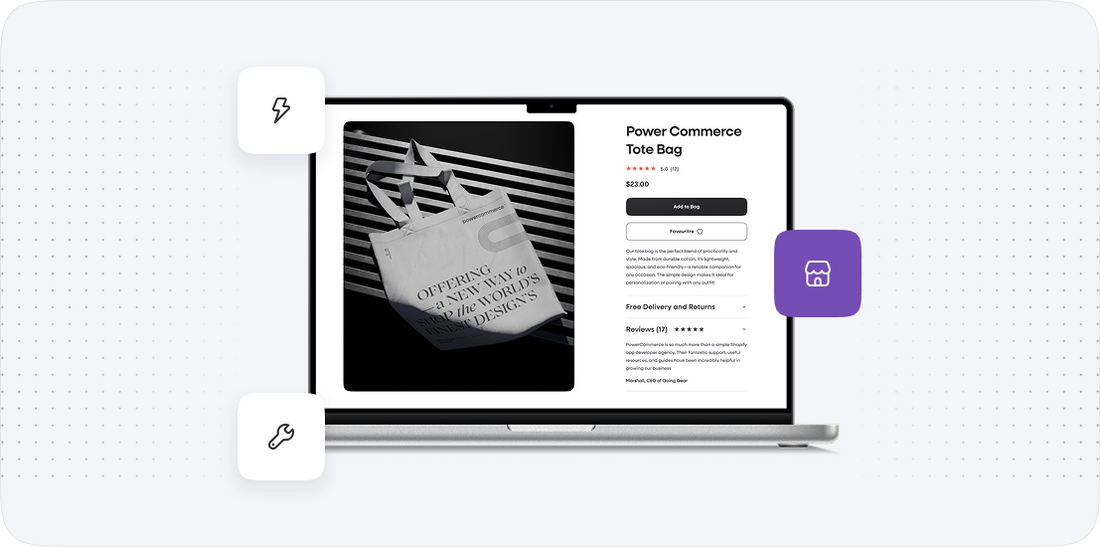
Data backup is a critical step in the migration process to ensure that all your information is safe in case anything goes wrong during the transition. We will follow these steps to secure your data:
First, we will make a complete backup of your Intershop data, which includes:
- Database Backup: Export your entire database, including products, customers, orders, and settings.
- Media Files Backup: Download all images, documents, and other media files linked to your products and content.
- Configuration Files: Save any custom configuration files that dictate the behavior of your current store.
Next, we will implement security measures to protect this data. This includes:
- Encryption: Ensure that all backup files are encrypted to prevent unauthorized access.
- Secure Storage: Store backups in a secure, reliable location, either in a cloud service or on-premises with restricted access.
Finally, we will review our security protocols to ensure that data integrity is maintained throughout the migration process. This includes setting up secure connections for data transfer and limiting access to sensitive information.
Step 4: Data Migration to Shopify
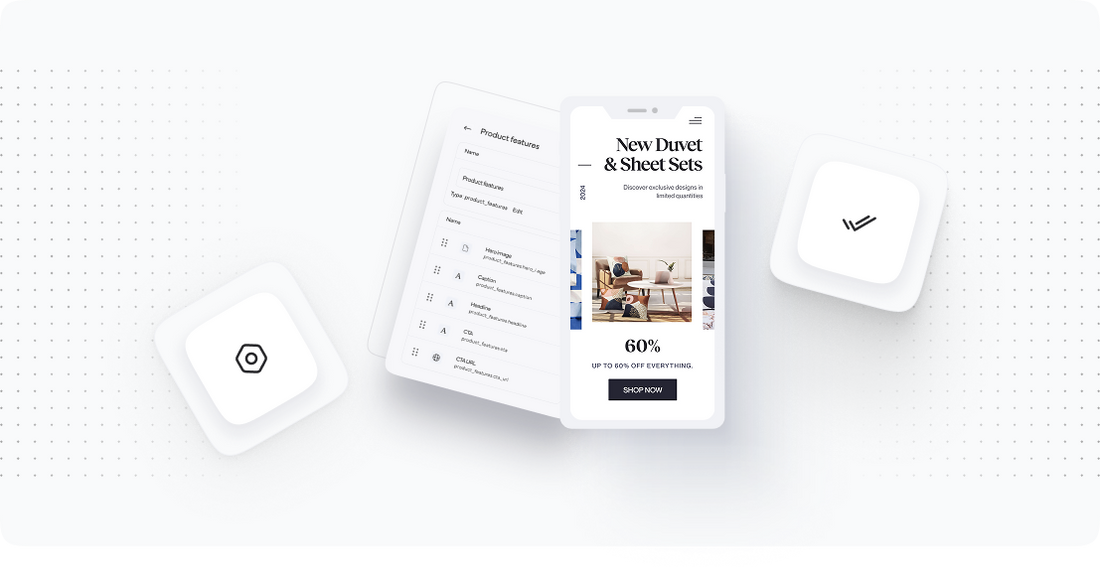
The data migration process involves transferring all the collected data from Intershop to Shopify. This step requires careful execution to ensure that data integrity is maintained and that everything is correctly mapped to the new platform. We will utilize migration tools and scripts to facilitate this process efficiently.
The data migration will follow these sub-steps:
- Mapping Data Fields: Before transferring data, we will map the data fields from Intershop to their corresponding fields in Shopify. This ensures that all information appears correctly in the new system.
- Using Migration Tools: We will leverage specialized migration tools or custom scripts designed to extract data from Intershop and import it into Shopify. Tools like LitExtension or Cart2Cart can automate this process, reducing manual errors.
- Performing the Migration: Execute the migration process, transferring all mapped data fields, including products, customers, orders, and content pages, to Shopify.
- Verifying the Data: After the migration, we will conduct a thorough review of the data in Shopify to ensure everything has been transferred correctly. This includes checking for missing information, incorrect mappings, and overall data integrity.
A successful migration will set the foundation for the next steps, allowing us to focus on optimizing your new Shopify store.
Step 5: Setting Up Payment and Shipping Methods
After successfully migrating your data to Shopify, the next step is to set up payment and shipping methods. This step is vital for ensuring that your customers can complete their purchases smoothly and that you can manage logistics effectively.
Here’s how we will approach this:
- Payment Gateway Configuration: We will set up payment gateways that are compatible with Shopify, such as Shopify Payments, PayPal, and Stripe. This involves:
- Creating merchant accounts if necessary.
- Configuring payment settings in Shopify to include payment methods that suit your business model.
- Testing each payment method to ensure transactions process correctly.
- Shipping Method Setup: We will configure shipping settings, including:
- Choosing shipping carriers (e.g., UPS, FedEx, USPS).
- Setting shipping rates based on weight, destination, or price.
- Offering free shipping thresholds if applicable.
It’s essential to conduct a few test transactions after setting up payment and shipping methods to ensure everything works as intended. This will help us identify any issues before your store goes live.
Step 6: Storefront Design and Customization
With the backend set up and functional, we will now focus on customizing your Shopify storefront to reflect your brand identity and enhance user experience. This step is crucial, as it directly impacts customer engagement and conversion rates.
The customization process will include:
- Selecting a Theme: We will choose a Shopify theme that aligns with your brand ethos. Considerations will include:
- Design aesthetics that resonate with your target audience.
- Functionality features, such as responsive design, navigation styles, and layout options.
- Customizing Theme Settings: We will adjust theme settings to match your brand’s colors, fonts, and imagery. This involves:
- Uploading your logo and any custom graphics.
- Setting up banners or promotional sections to highlight key products or offers.
- Enhancing User Experience: Implementing best practices for user experience, including:
- Streamlined navigation menus to facilitate easy browsing.
- Integrating customer reviews and testimonials to build trust.
- Optimizing product pages for conversion, focusing on high-quality images and detailed descriptions.
Once the customization is complete, we will conduct usability testing to ensure that the design meets both aesthetic and functional criteria.
Step 7: Testing and Launching Your Shopify Store
Before we officially launch your new Shopify store, we must conduct thorough testing to ensure that everything functions as expected. This critical step helps us identify and rectify any potential issues that could affect user experience and sales.
The testing process will encompass:
- Functionality Testing: We will check all functionalities, including:
- Payment processing to ensure transactions are completed without errors.
- Shipping calculations and options to verify accuracy.
- Navigation to ensure all links and pages function correctly.
- Performance Testing: Assessing the speed and responsiveness of your store is vital. We will:
- Use tools to analyze page load times.
- Ensure that the store performs well under various traffic loads.
- SEO and Analytics Setup: We will also ensure SEO best practices are in place, including:
- Setting up 301 redirects for old URLs to maintain SEO rankings.
- Installing tracking codes for Google Analytics and any other desired analytics tools.
Once testing is complete and any necessary adjustments have been made, we will schedule the official launch of your Shopify store, ensuring that your customers can enjoy a seamless shopping experience.
Power Your Step - Get in Touch
If you’re looking to ensure a seamless migration from Intershop to Shopify, we invite you to partner with us at PowerCommerce. Our expertise in ecommerce migrations ensures that you don’t just transition to a new platform but do so with confidence, minimal downtime, and maximum efficiency.
To get started, simply follow these steps:
- Visit our contact page.
- Fill out the form to schedule a consultation.
- Contact us directly at 800-099-9090 or email us at info@powercommerce.com.
We are ready to assist you in powering your ecommerce journey with tailored solutions that drive growth, enhance performance, and meet your unique needs. Let’s turn your migration vision into reality!

Unlock dedicated support to shape an incredible future with solutions crafted for scale and innovation.
Let's WorkStay aligned on what's happening in the commerce world


Trusted by 1000+ innovative companies worldwide
Schedule Your Migration Today
For businesses prioritizing simplicity, scalability, and robust support, Shopify is the clear winner.
Looking to migrate without hassle? Power Commerce can handle the entire process, ensuring smooth data transfer, store setup, and post-launch success.
Marka Marulića 2, Sarajevo, 71000 BiH
info@powercommerce.com