






Magento to Netsuite suitecommerce
Migrating your store from Magento to Netsuite suitecommerce might seem daunting, but with proper planning and the right tools, it's a smooth process. Follow this step-by-step guide to ensure a successful transition.
Schedule a call
Step-by-Step Migration Guide: Magento to Netsuite SuiteCommerce migration guide
Step 1: Assessing Your Current Magento Setup
In this step, we focus on evaluating your existing Magento setup to identify all elements that need to be migrated, including products, customer data, and custom functionalities.
Step 2: Preparing Your Data for Migration
This step involves cleaning and structuring your data to ensure it is ready for a seamless migration to SuiteCommerce.
Step 3: Setting Up Your SuiteCommerce Environment
We will configure your SuiteCommerce environment to ensure it is optimized for the incoming data from Magento.
Step 4: Migrating Your Data
In this step, we will execute the data migration process, transferring all relevant data from Magento to SuiteCommerce.
Step 5: Configuring Storefront and User Experience
We will optimize the storefront layout and user experience in SuiteCommerce to enhance customer engagement.
Step 6: Testing and Quality Assurance
In this step, we will conduct thorough testing of the SuiteCommerce setup to ensure all functionalities are working as expected.
Step 7: Go Live and Post-Migration Support
In this step, we will launch your SuiteCommerce site and provide ongoing support to address any post-migration issues.
Power Your Step - Get in Touch
Contact PowerCommerce for expert support in your migration journey to SuiteCommerce.
Step 1: Assessing Your Current Magento Setup
Before initiating the migration process, it is crucial to conduct a thorough assessment of your current Magento setup. This initial evaluation serves several important purposes:
1. **Identify Migration Scope**: Determine the elements that need to be migrated, such as products, customer data, order history, and any custom functionalities. This helps in understanding the complexity of your migration project.
2. **Data Integrity**: Assess the quality and integrity of your existing data. This includes checking for duplicate entries, incomplete information, or outdated data that may need cleansing before migration.
3. **Customization Review**: Take stock of any customizations made to your Magento store. Document the extensions, themes, and custom code that are in use. Understanding these will help in replicating or adapting them within the SuiteCommerce environment.
4. **Performance Metrics**: Analyze your current site performance metrics. This includes load times, bounce rates, and conversion rates. Knowing these will help set benchmarks for assessing the success of your migration.
5. **Identify Challenges**: Recognize potential challenges that may arise during migration. This may include issues related to data format differences, compatibility of third-party extensions, or specific business processes that need to be adjusted in SuiteCommerce.
To execute this assessment effectively, we recommend using the following approach:
- Conduct a comprehensive audit of your Magento store, documenting all components and configurations.
- Utilize tools to analyze data quality, like data profiling software, to ensure all information is accurate and up-to-date.
- List all custom functionalities and their implications for the migration to SuiteCommerce.
- Gather performance data using analytics tools to establish a clear picture of your current operational efficiency.
By completing this step, we will have a clear roadmap for the migration process, ensuring that critical components are identified and planned for in the upcoming steps.
Step 2: Preparing Your Data for Migration
After assessing your current Magento setup, the next critical step is to prepare your data for migration to SuiteCommerce. Properly preparing your data is key to ensuring a smooth transition and maintaining data integrity. Here’s how we can achieve this:
1. **Data Cleanup**: Start by cleaning your data. This involves removing any duplicate entries, correcting inaccurate information, and ensuring that all required fields are populated. A thorough data cleanup helps prevent issues during the migration process.
2. **Data Structuring**: Structure your data in a way that aligns with the SuiteCommerce database schema. This may involve reorganizing product categories, customer groups, and order histories to match SuiteCommerce’s requirements.
3. **Backup Your Data**: Always create a complete backup of your existing Magento data. This ensures that you have a restore point in case anything goes wrong during the migration process. Use Magento’s built-in tools or third-party backup solutions to achieve this.
4. **Export Data**: Export the cleaned and structured data into a format that can be easily imported into SuiteCommerce. Common formats include CSV or XML, which are widely supported for bulk data import.
5. **Test Data Import**: Before the actual migration, conduct a test import using a small subset of your data. This helps identify any potential issues that may arise during the migration. Check for data integrity, formatting issues, and compatibility with SuiteCommerce.
To effectively prepare your data for migration, follow these sub-steps:
- Use data management tools to assist with data cleansing and validation.
- Document the data structure requirements for SuiteCommerce to ensure compliance.
- Perform multiple test imports and verify results before proceeding with the full migration.
By ensuring our data is clean, structured, and properly backed up, we set the stage for a successful migration to SuiteCommerce.
Step 3: Setting Up Your SuiteCommerce Environment
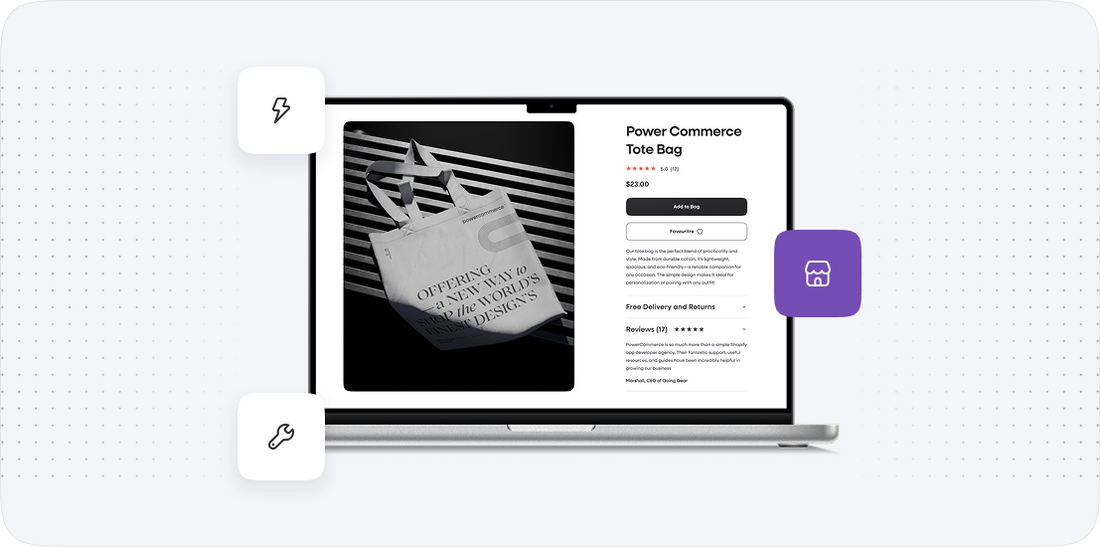
With the data prepared for migration, the next step is to set up the SuiteCommerce environment. This involves several key actions to ensure that the platform is ready to accept your migrated data and operate effectively:
1. **SuiteCommerce Configuration**: Begin by configuring your SuiteCommerce account settings. This includes setting up your store’s basic information such as name, address, timezone, and currency settings. Make sure to customize features according to your business requirements.
2. **Theme Selection**: Choose a suitable theme for your SuiteCommerce store that aligns with your brand identity. SuiteCommerce offers a range of customizable themes that can be adjusted to fit your aesthetic preferences.
3. **Custom Functionalities**: If you have custom functionalities from your Magento site, assess how they will be implemented in SuiteCommerce. This may involve utilizing SuiteCommerce APIs, custom scripts, or available third-party integrations.
4. **Payment and Shipping Setup**: Configure your payment gateways and shipping options within SuiteCommerce. Ensure that you integrate all necessary payments providers, such as PayPal or Stripe, and set up shipping methods that align with your business model.
5. **Testing Environment**: Establish a testing environment within SuiteCommerce. This allows you to conduct tests on your site’s functionalities, ensuring everything works as expected before going live.
To execute this setup effectively, follow the steps outlined below:
- Access the SuiteCommerce dashboard and navigate to the account configuration settings.
- Select and customize your theme to match your brand identity.
- Integrate payment gateways and shipping providers based on your previous setup.
- Create a staging environment for testing purposes, which mirrors your live site.
By thoroughly preparing the SuiteCommerce environment, we ensure that it is primed for a successful data migration from Magento.
Step 4: Migrating Your Data
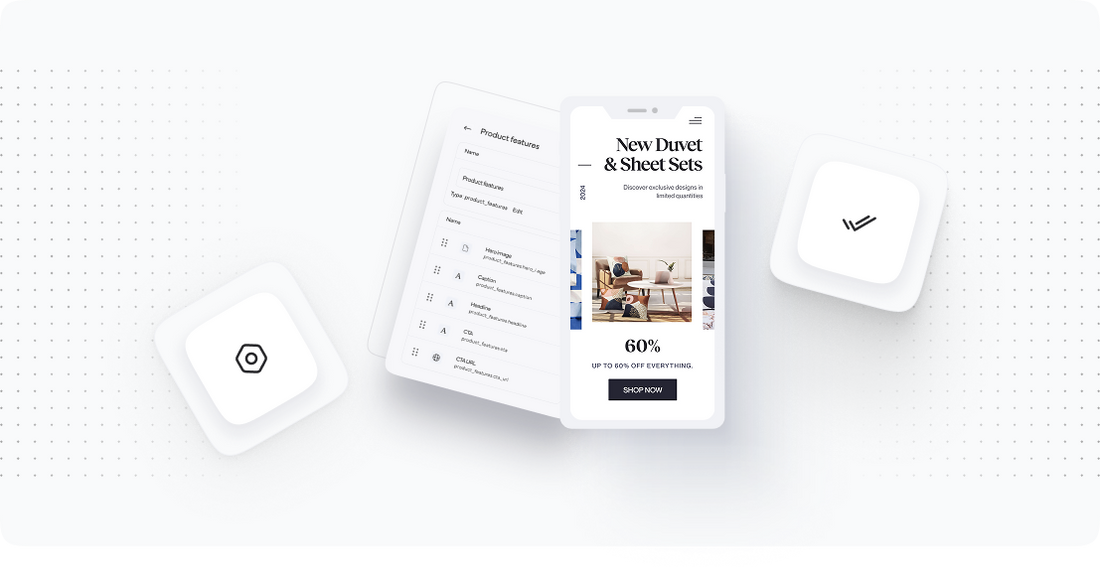
The actual migration of data from Magento to SuiteCommerce is a critical phase that requires careful execution to avoid data loss and ensure integrity. Here are the steps we follow:
1. **Data Import Tool**: Utilize SuiteCommerce’s data import tools to facilitate the migration process. Depending on your data format, you may use CSV import tools or API-based data transfers that SuiteCommerce supports.
2. **Importing Products**: Start by migrating your product catalog. This includes product descriptions, images, prices, and inventory levels. Ensure that all product attributes are correctly mapped to the corresponding fields in SuiteCommerce.
3. **Customer Data Transfer**: Next, import customer data, including account details, order histories, and saved preferences. Verify that customer data is correctly associated with their accounts in SuiteCommerce.
4. **Order History Migration**: Migrate historical order data to maintain continuity for your customers. This includes all relevant order details, such as product SKUs, quantities, and transaction dates.
5. **Testing Data Integrity**: After the data migration, conduct thorough testing to ensure all data has been transferred accurately. Check for missing records, incorrect mappings, and data consistency across the platform.
6. **Final Adjustments**: Make any necessary adjustments based on the testing phase. This may involve re-importing specific data sets or correcting any identified issues.
To perform the migration effectively, follow these detailed steps:
- Select the appropriate import method based on your data structure and size.
- Begin with product data, followed by customer data, and then order history.
- After each import, verify data integrity before proceeding to the next category.
- Utilize SuiteCommerce’s reporting tools to analyze the migration results and identify potential discrepancies.
By executing the migration process carefully, we ensure that all critical data is accurately transferred to SuiteCommerce, setting the stage for a seamless transition.
Step 5: Configuring Storefront and User Experience
With the data successfully migrated to SuiteCommerce, the next step focuses on optimizing the storefront and enhancing the user experience. This is essential for making a positive impression on customers and ensuring a smooth shopping experience:
1. **Storefront Design**: Customize the storefront design based on your brand identity. Use SuiteCommerce’s built-in design tools to adjust layouts, colors, fonts, and imagery, creating an appealing visual experience.
2. **User Navigation**: Ensure that navigation is intuitive and user-friendly. Organize product categories logically, implement search functionalities, and create easy-to-follow paths for customers to find what they need.
3. **Mobile Optimization**: Given the prevalence of mobile shopping, ensure that your SuiteCommerce store is fully responsive. Test various devices to confirm that all features work seamlessly, including product displays and checkout processes.
4. **Checkout Process**: Streamline the checkout process to minimize friction. This may involve reducing the number of steps required to complete a purchase, offering guest checkout options, and clearly displaying shipping and return policies.
5. **Engagement Features**: Integrate features that enhance customer engagement, such as product reviews, wish lists, and personalized recommendations based on browsing behavior.
To optimize your storefront and user experience, consider these steps:
- Utilize SuiteCommerce’s design templates and customization options to reflect your brand.
- Conduct user testing to gather feedback on the navigation and checkout experience.
- Implement mobile responsiveness best practices to enhance usability across devices.
- Incorporate features that foster engagement and repeat purchases.
By focusing on storefront configuration and user experience, we create an inviting online shopping environment that encourages customer loyalty.
Step 6: Testing and Quality Assurance
Testing and quality assurance are critical to ensuring a successful migration and operational efficiency on SuiteCommerce. This step involves several key actions:
1. **Functional Testing**: Verify that all functionalities, including product listings, search capabilities, checkout processes, and payment gateways, are working as intended. Ensure that all links are functioning and that there are no broken pages.
2. **Data Integrity Verification**: Cross-check the migrated data against the original data from Magento. This includes verifying product details, customer information, and order histories to ensure that everything has been imported correctly.
3. **User Acceptance Testing (UAT)**: Conduct UAT to gather feedback from real users. This helps identify any usability issues or gaps in functionality from the end-user perspective.
4. **Performance Testing**: Test the performance of your SuiteCommerce site under various load conditions. This includes measuring load times, responsiveness, and overall site speed. Identify any bottlenecks that could affect user experience.
5. **Security Testing**: Ensure that the site is secure by conducting security assessments. This includes testing for vulnerabilities, ensuring compliance with PCI standards, and confirming that data encryption is in place to protect customer information.
To conduct thorough testing and quality assurance, implement the following:
- Create a checklist of all functionalities to be tested.
- Document any issues found and prioritize them for resolution.
- Conduct performance tests using tools that simulate high traffic conditions.
- Engage a group of users for UAT to provide diverse feedback.
By rigorously testing the SuiteCommerce setup, we ensure that the platform is ready for launch, providing a seamless experience for customers.
Step 7: Go Live and Post-Migration Support
As we approach the final stages of the migration process, it is time to go live with your SuiteCommerce store. This step is crucial, as it marks the transition from testing to full operational status:
1. **Final Preparations**: Ensure that all testing has been completed successfully, and all identified issues have been resolved. Prepare to make the site live by confirming that all data is accurate and that the user experience is polished.
2. **Go Live**: Launch your SuiteCommerce site. Monitor the site closely during the initial hours or days following the launch to ensure everything is functioning as expected. Be prepared to address any immediate issues that may arise.
3. **Post-Migration Support**: Provide ongoing support for your customers and internal teams. This may include answering questions, troubleshooting issues, and making adjustments based on user feedback.
4. **Performance Monitoring**: Utilize analytics tools to monitor site performance post-launch. Look for any dips in performance metrics and be proactive in addressing them.
5. **Customer Communication**: Inform your customers about the new site, highlighting improvements and features. Use emails, social media, and other channels to engage with customers and encourage them to explore the new platform.
To ensure a successful go-live and post-migration phase, consider the following:
- Have a dedicated support team ready to handle any queries or issues that arise post-launch.
- Monitor key performance indicators closely to identify any areas needing attention.
- Gather customer feedback to continuously improve the site experience.
By carefully managing the go-live process and providing robust post-migration support, we ensure a successful transition to SuiteCommerce, paving the way for sustained growth and customer satisfaction.
Power Your Step - Get in Touch
Ready to make the leap to SuiteCommerce? Let us guide you through a seamless migration process and ensure your ecommerce operations thrive with our expert support.
At PowerCommerce, we understand the intricacies involved in migrating from Magento to SuiteCommerce. Our team of experienced professionals is equipped to provide tailored solutions that meet your unique business needs. With over 15 years of industry expertise, we will help you navigate challenges, preserve data integrity, and optimize your new storefront for maximum performance.
Get in touch with us today:
- Visit our contact page: PowerCommerce Contact Form
- Call us at: 800-099-9090
- Email us at: info@powercommerce.com
Don't miss out on the opportunity to elevate your ecommerce business. Let’s work together to power your success!

Unlock dedicated support to shape an incredible future with solutions crafted for scale and innovation.
Let's WorkStay aligned on what's happening in the commerce world


Trusted by 1000+ innovative companies worldwide
Schedule Your Migration Today
For businesses prioritizing simplicity, scalability, and robust support, Shopify is the clear winner.
Looking to migrate without hassle? Power Commerce can handle the entire process, ensuring smooth data transfer, store setup, and post-launch success.
Marka Marulića 2, Sarajevo, 71000 BiH
info@powercommerce.com