






Netsuite suitecommerce to Shopify
Migrating your store from Netsuite suitecommerce to Shopify might seem daunting, but with proper planning and the right tools, it's a smooth process. Follow this step-by-step guide to ensure a successful transition.
Schedule a call
Step-by-Step Migration Guide: Netsuite SuiteCommerce to Shopify migration guide
Step 1: Assessing Your Current Setup
In this initial step, we evaluate your existing Netsuite SuiteCommerce setup to identify all critical elements that need to be migrated, ensuring a comprehensive plan for the transition.
Step 2: Data Backup and Preparation
Here, we detail the importance of backing up your existing Netsuite SuiteCommerce data and preparing it for migration to ensure no critical information is lost.
Step 3: Setting Up Your Shopify Environment
In this step, we will configure your Shopify store settings, select themes, and prepare the platform for data import from Netsuite SuiteCommerce.
Step 4: Migrating Data to Shopify
In this step, we will execute the data migration from Netsuite SuiteCommerce to Shopify, ensuring all necessary information is accurately transferred.
Step 5: Customizing Your Shopify Store
In this phase, we will focus on customizing the Shopify store to match your branding and optimize the customer experience.
Step 6: Testing and Quality Assurance
In this step, we conduct thorough testing and quality assurance to ensure that the Shopify store operates seamlessly before going live.
Step 7: Launching Your Shopify Store
With everything in place, we finalize the launch of your Shopify store, ensuring all systems are go for your customers.
Power Your Step - Get in Touch
Contact PowerCommerce today to leverage our expert migration support and ensure a seamless transition to Shopify.
Step 1: Assessing Your Current Setup
Before we dive into the migration process, it’s crucial to thoroughly assess your current Netsuite SuiteCommerce configuration. This assessment is foundational to developing a robust migration strategy that minimizes disruptions and maximizes data integrity.
The key objectives of this assessment include identifying all necessary data types, integrations, functionalities, and customizations that exist in your current setup. By doing so, we ensure that nothing is overlooked, which can lead to complications during the migration.
- Inventory Data: Review your product catalog, including SKUs, descriptions, prices, and images. Ensure all product attributes are documented.
- Customer Records: Compile a list of all customer data, including contact information, purchase history, and loyalty program status.
- Orders and Transactions: Gather details about past orders, including status, payment methods, and refund records.
- Integrations: Identify all existing third-party apps and integrations currently in use (e.g., payment gateways, shipping providers, analytics tools).
- Custom Features: Document any bespoke functionalities or custom code that may need to be replicated on Shopify.
Once all relevant data has been assessed, we can begin to prioritize what needs to be migrated and how we can replicate essential features on Shopify. This step is vital for a seamless transition and lays the groundwork for the subsequent migration phases.
Step 2: Data Backup and Preparation
Data backup and preparation are crucial steps in the migration process to ensure that all your important information is safe and can be easily transitioned to Shopify. This stage involves creating comprehensive backups of all relevant data in your Netsuite SuiteCommerce environment before initiating the migration.
We recommend the following actions:
- Backup Strategies: Utilize Netsuite’s built-in backup features or export your data manually. Ensure that you back up:
- Product listings (including variants and images)
- Customer data (including privacy compliance and consent)
- Order history and transaction records
- Content (blog posts, FAQ sections, etc.)
- Data Cleansing: Before migration, review your data for accuracy. Remove any outdated or duplicate records to streamline the migration process.
- Data Structuring: Organize your data in a format compatible with Shopify’s import tools. This may involve creating CSV files that align with Shopify’s product, customer, and order templates.
By ensuring that your data is backed up and well-prepared, we significantly reduce the risk of data loss or corruption during the migration process. This preparation sets a strong foundation for the next migration steps.
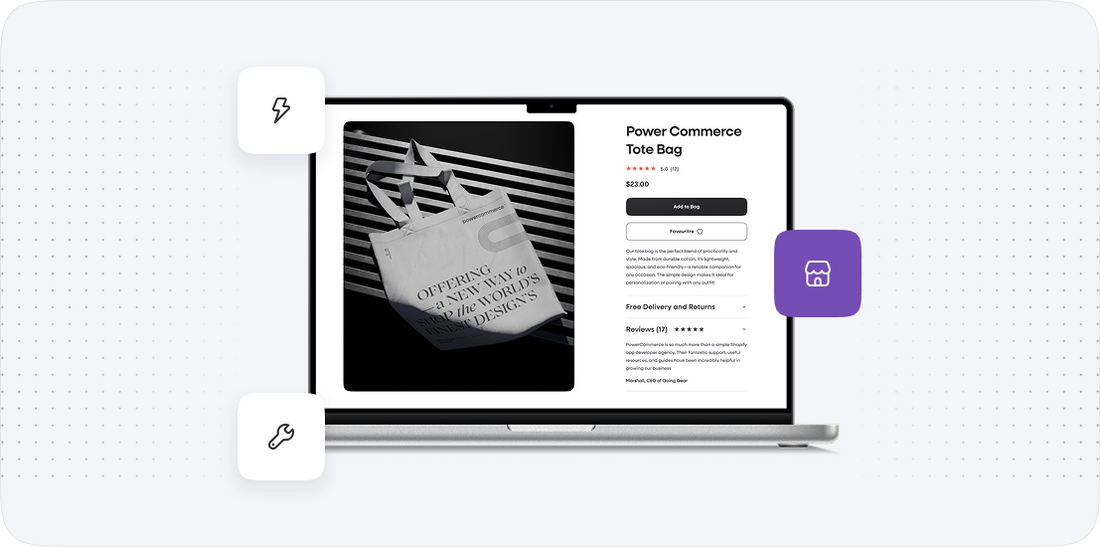
Step 3: Setting Up Your Shopify Environment
With your data backed up and organized, we now proceed to set up your Shopify environment. This step involves configuring essential settings and customizing your store to align with your brand and operational needs.
Here's how we can effectively set up your Shopify environment:
- Create Your Shopify Account: Sign up for a Shopify account and select a plan that suits your business requirements. This includes evaluating the Shopify Basic, Shopify, or Advanced plans based on features needed.
- Select a Theme: Choose a theme that reflects your brand identity. Shopify offers a variety of free and paid themes. Consider factors like responsiveness and customization capabilities when making your selection.
- Configure Basic Settings: Set up essential store settings, including:
- Store name and description
- Currency and payment methods (set up Shopify Payments, PayPal, etc.)
- Shipping options and rates
- Tax settings based on your operational regions
- Install Necessary Apps: Depending on your business needs, install relevant apps from the Shopify App Store. This could include:
- Inventory management tools
- Marketing and SEO apps
- Customer support integrations
By configuring your Shopify store in this way, we create a robust foundation that will support the efficient migration of your data from Netsuite SuiteCommerce.
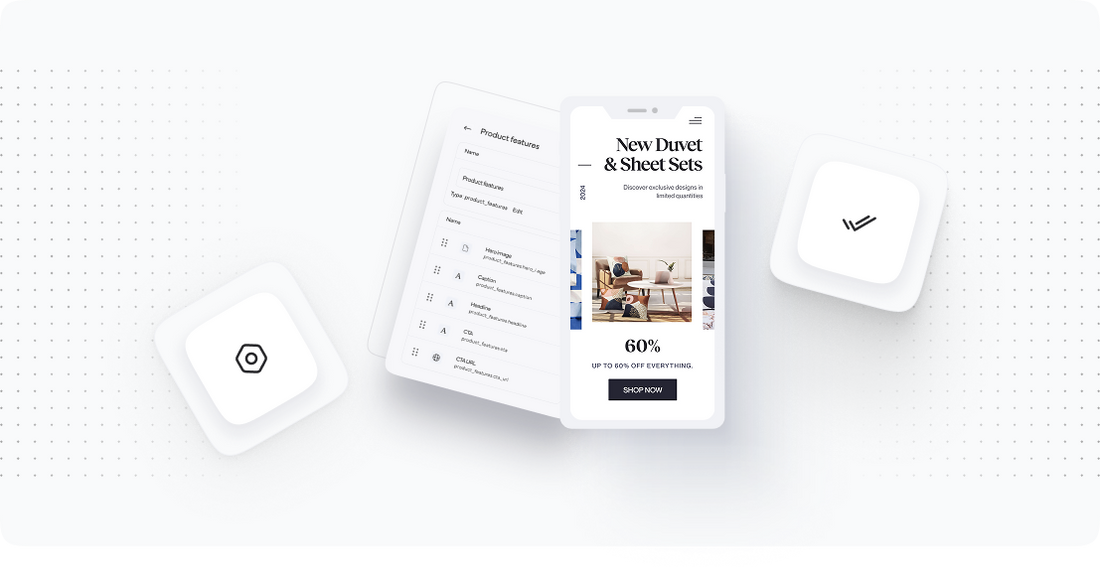
Step 4: Migrating Data to Shopify
With the Shopify environment set up, we can now proceed to the data migration phase. This is where we transfer all relevant data from Netsuite SuiteCommerce to Shopify, ensuring a seamless transition.
For a successful migration, we follow these detailed procedures:
- Use Migration Tools: Leverage migration tools or services that facilitate data transfer. Popular options include:
- Cart2Cart
- LitExtension
- PowerCommerce's proprietary migration solutions
- Data Import: Begin importing data into Shopify using the prepared CSV files. This process typically involves:
- Importing product data through Shopify’s built-in import feature.
- Uploading customer data, ensuring all privacy regulations are followed.
- Transferring order history if necessary (note that this can be more complex and may require custom solutions).
- Review Data Integrity: After migration, it’s critical to review all imported data for accuracy. Check for:
- Missing product images or descriptions
- Customer data discrepancies
- Order information accuracy
By following these procedures, we ensure that all necessary information is accurately transferred to Shopify, setting the stage for a successful launch.
Step 5: Customizing Your Shopify Store
Now that we have migrated the data, the next step is to customize your Shopify store to align with your brand identity and enhance the customer experience. This process is essential for creating a cohesive and engaging shopping environment.
Steps for effective customization include:
- Theme Customization: Modify the selected theme to reflect your brand. This may involve:
- Adjusting colors, fonts, and layout settings.
- Incorporating your logo and other brand assets.
- Navigation Setup: Organize your store’s navigation to ensure customers can easily find products. Consider:
- Creating collections based on product categories.
- Implementing a clear and straightforward menu structure.
- Checkout Process Customization: Optimize the checkout process by ensuring:
- All payment options are functional.
- The checkout page aligns with your branding.
- Content Creation: Add engaging content, including:
- Product descriptions that emphasize unique selling propositions.
- Blog posts or guides that provide value to customers.
Through these customizations, we enhance the user experience and ensure your Shopify store resonates with your target audience.
Step 6: Testing and Quality Assurance
Before launching your Shopify store, it’s imperative to conduct thorough testing and quality assurance. This phase helps identify any potential issues and ensures a smooth shopping experience for your customers.
Key areas to focus on include:
- Functionality Testing: Test all functionalities of the store, including:
- Navigation links to ensure they direct users correctly.
- Shopping cart and checkout process for a seamless transaction experience.
- Payment processing to verify all payment methods are operational.
- Data Verification: Double-check all imported data for accuracy. This includes:
- Confirming product details (descriptions, images, prices)
- Verifying customer records for accuracy
- Mobile Responsiveness: Ensure the store is fully responsive on mobile devices by:
- Testing the site on various mobile devices and screen sizes.
- Ensuring that navigation and checkout processes function smoothly on mobile.
- Performance Testing: Evaluate site speed and performance by:
- Running speed tests to check loading times.
- Ensuring that the site can handle anticipated traffic volumes.
Through meticulous testing and quality assurance, we can confidently prepare your Shopify store for a successful launch.
Step 7: Launching Your Shopify Store
After thorough testing and quality assurance, we are now ready to launch your Shopify store, transitioning your online presence from Netsuite SuiteCommerce to Shopify.
Here’s how we can ensure a successful launch:
- Final Checks: Conduct one last review of all settings, including:
- Payment gateways to ensure they are active and functioning.
- Shipping settings to verify rates and options align with expectations.
- Tax settings to confirm compliance with local regulations.
- Domain Configuration: If you are using a custom domain, ensure it is properly connected to your Shopify store. This includes:
- Updating DNS settings to point to Shopify’s servers.
- Testing the domain to ensure it resolves correctly to your new store.
- Launch Announcement: Prepare for your launch by creating an announcement strategy. This may involve:
- Sending email notifications to your customer base.
- Utilizing social media channels to promote the new store.
Once all systems are in place and the launch plan is executed, we officially go live with your Shopify store, marking the successful completion of the migration process.
Power Your Step - Get in Touch
Ready to make your migration from Netsuite SuiteCommerce to Shopify a success? At PowerCommerce, we pride ourselves on providing unparalleled support throughout the migration process. Our team of experts is here to ensure that your transition is seamless, minimizing downtime and maximizing performance.
Don’t hesitate to take the next step in your eCommerce journey. Contact us today to discuss your migration needs:
- Visit our contact form at PowerCommerce Contact Page.
- Call us directly at 800-099-9090.
- Email us at info@powercommerce.com.
Let us help you power your eCommerce success with our tailored migration solutions!

Unlock dedicated support to shape an incredible future with solutions crafted for scale and innovation.
Let's WorkStay aligned on what's happening in the commerce world


Trusted by 1000+ innovative companies worldwide
Schedule Your Migration Today
For businesses prioritizing simplicity, scalability, and robust support, Shopify is the clear winner.
Looking to migrate without hassle? Power Commerce can handle the entire process, ensuring smooth data transfer, store setup, and post-launch success.
Marka Marulića 2, Sarajevo, 71000 BiH
00387 60 345 5801
info@powercommerce.com