






Nopcommerce to Bigcommerce
Migrating your store from Nopcommerce to Bigcommerce might seem daunting, but with proper planning and the right tools, it's a smooth process. Follow this step-by-step guide to ensure a successful transition.
Schedule a call
Step-by-Step Migration Guide: NopCommerce to BigCommerce migration guide
Step 1: Prepare Your NopCommerce Store for Migration
In this initial step, we focus on preparing your NopCommerce store for a seamless migration to BigCommerce. This includes backing up your store data and ensuring that all necessary elements are in place for a successful transition.
Step 2: Set Up Your BigCommerce Store
This step involves configuring your new BigCommerce store, ensuring that it is ready to accept data from your NopCommerce store. Attention to detail during setup can significantly impact your success.
Step 3: Prepare Data for Migration
In this step, we will focus on preparing your data from NopCommerce for migration, including cleaning up data and ensuring everything is in order for a successful transfer.
Step 4: Migrate Data from NopCommerce to BigCommerce
Now that we've set up both platforms, this step focuses on the actual migration process. We'll utilize tools and services to ensure a seamless transition of all your critical data.
Step 5: Verify the Migration Results
After migration, it’s essential to verify that all data has been transferred accurately and functions correctly on your new BigCommerce store.
Step 6: Set Up Redirects and SEO Optimization
To maintain your SEO rankings and ensure a smooth transition for your customers, it’s important to set up proper redirects and optimize your new store.
Step 7: Post-Migration Review and Testing
In this final preparation step, we conduct a comprehensive review and testing of the BigCommerce store to ensure all functionalities are working as intended.
Power Your Step - Get in Touch
Ready to make your migration seamless? Contact PowerCommerce today for expert support and guidance tailored to your needs.
Step 1: Prepare Your NopCommerce Store for Migration
Before beginning the migration process from NopCommerce to BigCommerce, it is crucial to prepare your NopCommerce store adequately. This preparation ensures that the migration is smooth and that no data is lost during the process. First, we need to create a comprehensive backup of your existing NopCommerce store. This includes not just the product data, but also customer information, order history, and any custom settings that have been configured.
To create a backup, follow these detailed steps:
- Access Your NopCommerce Admin Panel: Log into your NopCommerce dashboard to access the administrative interface.
- Navigate to the Database Backup Section: Go to System > Maintenance > Database Backup. Here, you will find options to backup your database.
- Create a Backup: Click the Backup button. Choose a location on your local machine to save the backup file. It is recommended to perform a full backup to ensure all data is captured.
- Export Media Files: Manually download all media files (images, documents, etc.) by accessing the Content > Media section and exporting the files to your local storage.
After creating a backup, it’s also advisable to audit your current NopCommerce setup to ensure everything is functioning as expected. Check for:
- User accounts and permissions
- Active products and their statuses
- Order history and fulfillment processes
Confirm that all plugins and extensions used are compatible with BigCommerce to avoid issues during migration. Identifying these details early on will facilitate a smoother transition down the line.
Step 2: Set Up Your BigCommerce Store
Setting up your BigCommerce store is a vital step in the migration process. This involves creating an account, choosing a pricing plan, and configuring the initial settings that will support your business model. Here’s how to proceed:
- Create a BigCommerce Account: Visit the BigCommerce website and sign up for a new account. Choose a plan that suits your business needs, considering factors such as product limits and sales volume.
- Choose a Theme: Select an appropriate theme for your store that aligns with your brand identity. BigCommerce offers a variety of themes that can be customized.
- Configure Store Settings: Navigate to the Store Setup section in your BigCommerce dashboard. Here you will set up essential parameters, including:
- Business Information: Enter your store name, contact information, and address.
- Shipping Settings: Define your shipping methods, rates, and regions you will ship to.
- Payment Gateways: Integrate payment methods that you plan to use, ensuring they are compatible with your business model.
- Set Up Tax Rates: Configure the tax settings relevant to your business location and sales strategy.
- Enable SSL: Ensure SSL is enabled for secure transactions by navigating to Advanced Settings > SSL.
Once your BigCommerce store is configured, it’s essential to familiarize yourself with the dashboard and features available. This knowledge will help you manage your store effectively post-migration.
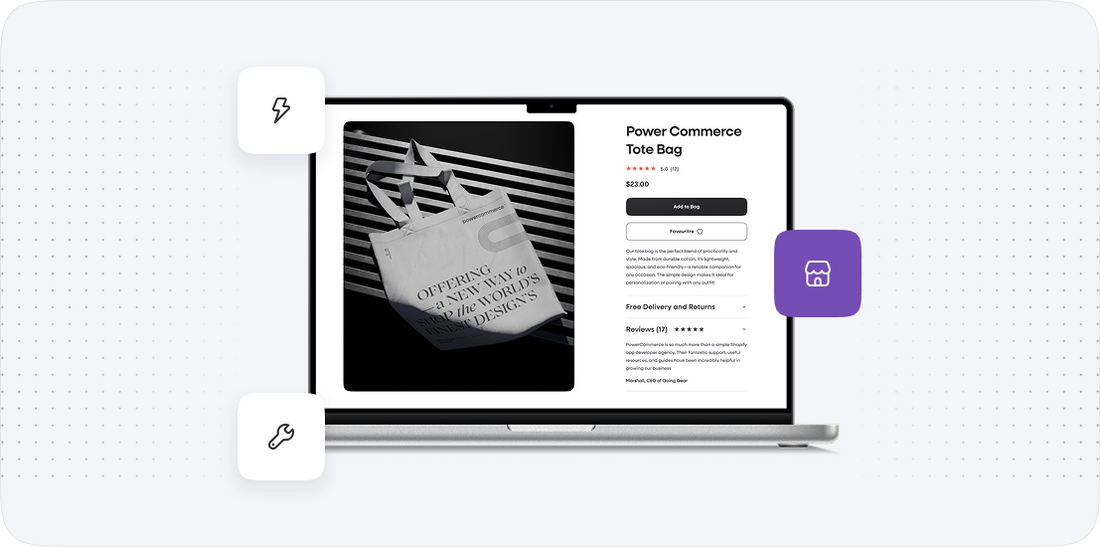
Step 3: Prepare Data for Migration
Preparing your data for migration is a critical phase that requires careful attention to detail to ensure accuracy and completeness. We need to clean up and organize the data in your NopCommerce store before transferring it to BigCommerce. This involves the following actions:
- Identify Data to Migrate: Determine which data you wish to migrate, including products, customers, orders, and any additional content like blogs or reviews.
- Data Cleanup: Ensure that there are no duplicate entries and that all information is accurate. This may involve:
- Removing outdated products or customers
- Correcting any inconsistencies in product descriptions or pricing
- Ensuring all images are correctly linked to products
- Export Data: Use the built-in export functionality in NopCommerce to download your data in CSV format. Go to Catalog > Products and select Export to generate your product data file.
- Format Data for BigCommerce: BigCommerce has specific requirements for data formats. Make sure your exported CSV files match the templates provided by BigCommerce for a seamless import process.
By preparing your data thoroughly, you reduce the risk of migration errors and ensure a smoother transition to your new platform.
Step 4: Migrate Data from NopCommerce to BigCommerce
With your NopCommerce store prepared and your BigCommerce store configured, it's time to migrate your data. This step can be accomplished using various methods, including manual import and third-party migration tools. Here’s how to effectively conduct the migration:
- Choose a Migration Method: We recommend using a reliable migration tool like Cart2Cart or LitExtension to facilitate the data transfer. These tools automate the process, ensuring data integrity and saving time.
- Set Up the Migration Tool: If using a tool, follow these steps:
- Install the migration tool on your BigCommerce store.
- Connect to your NopCommerce store by entering the required credentials.
- Select the data entities (products, customers, orders) you wish to migrate.
- Run a Demo Migration: Before executing the full migration, run a demo to test the process. This will help you identify any potential issues without affecting live data.
- Execute Full Migration: Once satisfied with the demo results, initiate the full migration. Monitor the process for any errors and ensure all data is transferred accurately.
After the migration is complete, conduct thorough checks on your BigCommerce store to confirm that all data has been transferred correctly and is functioning as expected.
Step 5: Verify the Migration Results
Verification of migration results is essential to ensure that your BigCommerce store is fully operational and that all data has been successfully transferred from NopCommerce. Here’s how to conduct a comprehensive verification process:
- Check Product Listings: Ensure that all products are listed correctly, including images, descriptions, prices, and stock levels. Navigate to the Products section in your BigCommerce dashboard and compare it with your original NopCommerce data.
- Review Customer Data: Verify that all customer accounts and related data (e.g., order history and preferences) have been migrated correctly. Check the Customers section for accuracy.
- Test Order Process: Run test orders to confirm that the checkout process works seamlessly. This includes validating payment gateways and ensuring that order confirmations are sent to customers.
- Inspect Content: If you migrated blog posts or other content, ensure that all links and formatting are intact. Review the Content > Pages section.
Any discrepancies should be addressed immediately, either by adjusting data in BigCommerce or consulting your migration tool’s support for assistance in rectifying issues.
Step 6: Set Up Redirects and SEO Optimization
Once the migration is verified, it is crucial to set up 301 redirects from your old NopCommerce URLs to the new BigCommerce URLs. This process helps maintain SEO rankings and enhances user experience. Here’s how to set up redirects and optimize SEO:
- Create a Redirect Map: List all old URLs from your NopCommerce store alongside their corresponding new URLs on BigCommerce. This will serve as a reference for setting up redirects.
- Implement 301 Redirects: Use the BigCommerce URL Redirects feature to create 301 redirects. Go to Storefront > URL Redirects and enter the old and new URLs as per your redirect map.
- Optimize SEO Settings: Review and update SEO settings for your new BigCommerce store. This includes:
- Setting up meta titles and descriptions for all pages.
- Creating an XML sitemap and submitting it to search engines.
- Checking for broken links and fixing them promptly.
- Monitor Traffic: Post-migration, use Google Analytics and other tools to monitor your website traffic and search rankings. This will help you assess the impact of the migration on your SEO performance.
By ensuring proper redirects and optimizing SEO, you can safeguard your online presence and continue attracting visitors seamlessly.
Step 7: Post-Migration Review and Testing
After completing the migration and setting up redirects, it’s time for a thorough post-migration review and testing of your BigCommerce store. This step ensures that everything is functioning correctly and that you are ready for business. Here are the tasks to perform:
- Functional Testing: Perform functional tests on all website features, including:
- Product filtering and search capabilities
- Shopping cart operations
- Checkout process from start to finish
- Payment processing and order confirmations
- Mobile Responsiveness: Check the mobile version of your store to ensure it displays correctly and functions properly on different devices.
- Performance Testing: Use tools like Google PageSpeed Insights to test the loading speed of your store. Optimize images and scripts as necessary to enhance performance.
- Customer Feedback: Consider reaching out to a select group of customers to test the new site and provide feedback on their experience.
After completing this review and testing, your BigCommerce store should be fully operational, and you can start promoting your new storefront. Ensure that you remain accessible to your customers for any questions or issues they might encounter as they adjust to the new platform.
Power Your Step - Get in Touch
Are you prepared to take the next step in your eCommerce journey? At PowerCommerce, we specialize in ensuring that your migration from NopCommerce to BigCommerce is smooth, efficient, and tailored to your unique business needs. Our expertise in platform migrations guarantees that you will experience minimal downtime and maximum performance.
Contact us today to get started:
- Visit our contact page to fill out our inquiry form.
- Call us directly at 800-099-9090 for immediate assistance.
- Email us at info@powercommerce.com for detailed inquiries or to schedule a consultation.
With a commitment to innovation, customer-centricity, and integrity, we are here to help you power your growth through expert migration services. Don’t wait--get in touch today!

Unlock dedicated support to shape an incredible future with solutions crafted for scale and innovation.
Let's WorkStay aligned on what's happening in the commerce world


Trusted by 1000+ innovative companies worldwide
Schedule Your Migration Today
For businesses prioritizing simplicity, scalability, and robust support, Shopify is the clear winner.
Looking to migrate without hassle? Power Commerce can handle the entire process, ensuring smooth data transfer, store setup, and post-launch success.
Marka Marulića 2, Sarajevo, 71000 BiH
00387 60 345 5801
info@powercommerce.com