






Oracle commerce to Adimo
Migrating your store from Oracle commerce to Adimo might seem daunting, but with proper planning and the right tools, it's a smooth process. Follow this step-by-step guide to ensure a successful transition.
Schedule a call
Step-by-Step Migration Guide: Oracle Commerce to Adimo migration guide
Step 1: Prepare for Migration
In this initial step, we focus on preparing for the migration from Oracle Commerce to Adimo by conducting a thorough analysis of your current data and processes. This includes identifying all data types, understanding system requirements, and planning for a smooth transition.
Step 2: Data Mapping and Structure Planning
Once we've prepared for migration, the next step involves mapping out how your existing data will fit into the Adimo platform. This step is critical to ensure data integrity and system compatibility.
Step 3: Data Backup and Extraction
In this step, we will secure all existing data by creating comprehensive backups from Oracle Commerce. This ensures that we have a fail-safe in case of any issues during migration.
Step 4: Data Migration Execution
With backups secured, we now begin the actual data migration process from Oracle Commerce to Adimo. This step focuses on accurately transferring all identified data.
Step 5: Testing and Validation
Once migration is complete, we will rigorously test and validate the migrated data and functionalities on the Adimo platform to ensure everything operates as expected.
Step 6: Training and Onboarding
With testing complete, we will now focus on training staff and stakeholders on how to effectively use the Adimo platform, ensuring a smooth transition and operational readiness.
Step 7: Go Live and Post-Migration Review
After training, we will officially launch the Adimo platform and conduct a post-migration review to assess the migration's success and gather insights for future improvements.
Power Your Step - Get in Touch
Ready to transform your e-commerce operations? Contact PowerCommerce today for expert support on your migration journey from Oracle Commerce to Adimo.
Step 1: Prepare for Migration
Preparation is a crucial phase in the migration process from Oracle Commerce to Adimo. Our objective is to ensure that every piece of data and functionality is accurately transferred and that the new platform meets your business needs effectively.
To begin, we need to conduct a comprehensive assessment of your existing system. This involves reviewing your current database structure, understanding customer data, product catalogs, and order histories. We will also analyze any custom features or integrations that your current Oracle Commerce setup may have. This step is essential to ensure that we capture all necessary elements that need to be migrated to Adimo.
- Data Inventory: Start by creating an inventory of all data that will be migrated. This includes:
- Customer Information
- Product Listings
- Order History
- Promotional Data
- Content Pages
- Any custom configurations or extensions
- System Requirements: Review the technical requirements for Adimo to ensure compatibility:
- Check hosting specifications
- Understand any API integrations needed
- Identify necessary plugins or extensions
- Backup Existing Data: Before making any changes, we will create a complete backup of your current Oracle Commerce data to prevent any loss during the migration process. This includes:
- Database backups
- Media files and assets
- Configuration files
- Define Migration Goals: Establish clear objectives for what you want to achieve with the migration. This could include improving user experience, increasing site speed, or enhancing marketing capabilities. Document these goals as they will guide the migration process.
In summary, thorough preparation will set the stage for a successful migration. This step ensures that we understand your current environment fully and can replicate or improve upon it in the new Adimo platform.
Step 2: Data Mapping and Structure Planning
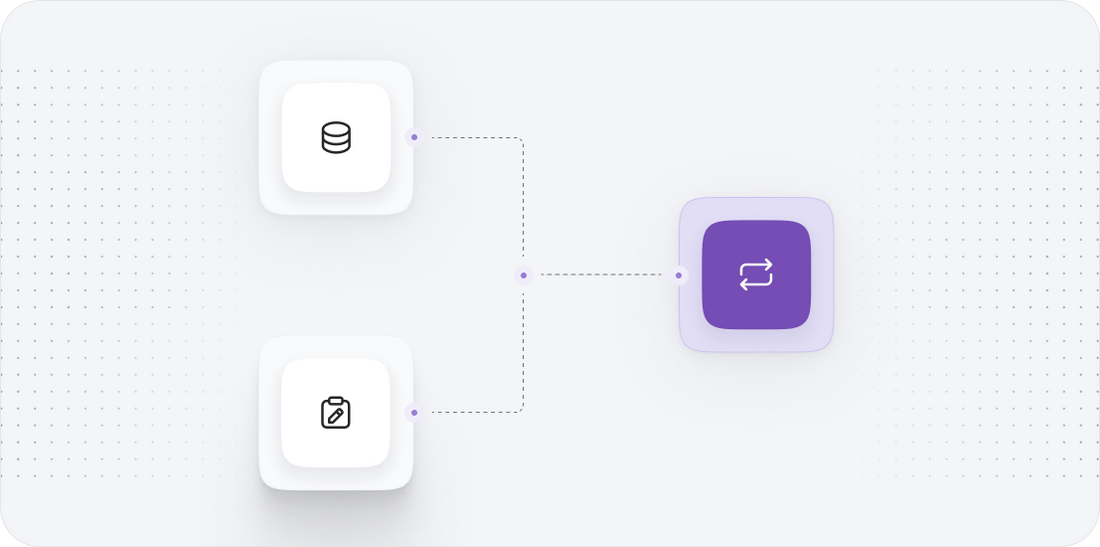
Data mapping and structure planning are essential for ensuring a smooth migration from Oracle Commerce to Adimo. The goal of this step is to match existing data fields in Oracle Commerce with their corresponding fields in Adimo, ensuring data integrity and compatibility.
To achieve this, we will create a detailed mapping document that outlines how each type of data will be transferred. This includes not only the customer and product data but also any custom configurations or specific settings that need to be replicated in Adimo.
- Identify Data Fields: Start by identifying the key data fields in Oracle Commerce:
- Customer profiles (names, emails, addresses)
- Product specifications (SKUs, prices, descriptions)
- Order records (order IDs, statuses, timestamps)
- Promotions and discounts
- Content pages (blog posts, articles)
- Create Mapping Document: For each identified data field, create a corresponding entry in a mapping document:
- Source Field (Oracle Commerce)
- Target Field (Adimo)
- Transformation Rules (if any, such as data format changes)
- Plan for Data Transformations: During the migration, some data may need to be transformed to meet the format or structure required by Adimo:
- Convert date formats if necessary
- Normalize data (e.g., standardizing address formats)
- Validate data for accuracy and completeness
- Custom Data Handling: If there are any custom fields or features in Oracle Commerce, determine how they will be handled in Adimo:
- Identify if similar customizations can be replicated
- Plan for any necessary adjustments or reconfigurations
- Review and Approval: Once the data mapping is complete, review the mapping document with stakeholders to ensure that all critical data is accounted for and properly mapped.
This data mapping and structure planning phase is crucial for minimizing data loss and ensuring that all necessary information is transferred accurately to the new platform. Properly executed, it will result in a seamless transition that enhances your operational efficiency.
Step 3: Data Backup and Extraction
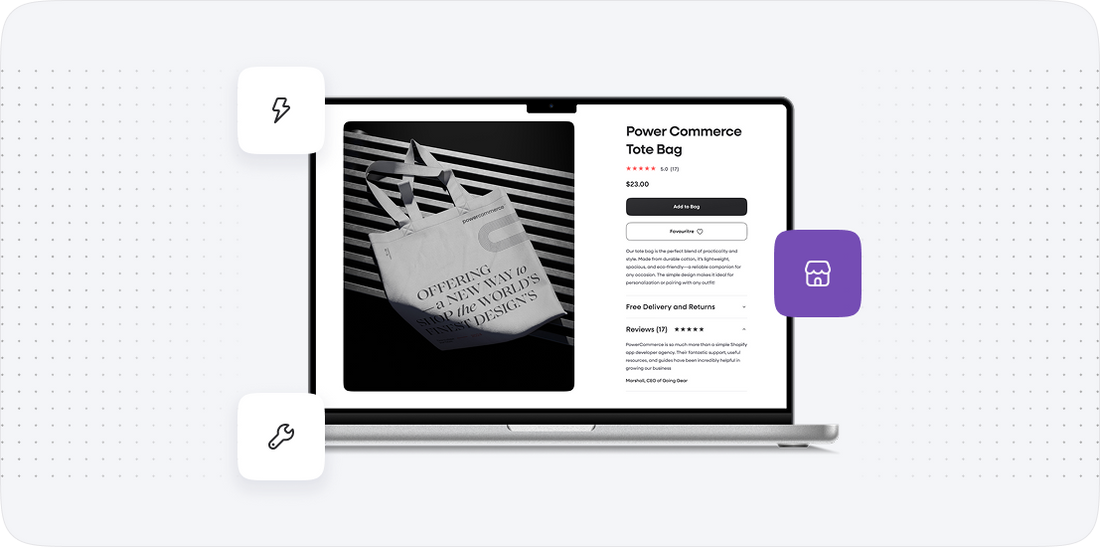
Data backup and extraction are critical to ensuring that no information is lost during the migration process from Oracle Commerce to Adimo. By securing all existing data, we create a fail-safe that allows for recovery in case of any issues that may arise during the migration.
We will follow a systematic approach to back up the data, ensuring that all components are accounted for and that the extraction process is efficient and effective.
- Backup Strategy: Develop a strategy for backing up the data:
- Full database backup to capture all data types
- Separate backups for media files and assets
- Backup of configuration files and custom settings
- Tools for Backup: Utilize reliable tools and methods for data backup:
- Database management tools (e.g., MySQL Workbench, pgAdmin) for SQL databases
- File transfer protocols (FTP/SFTP) for media files
- Backup plugins or scripts if available
- Execute Backup: Perform the backup according to the developed strategy:
- Schedule backups during low-traffic hours to minimize impact
- Verify the integrity of backup files after completion
- Store backups in secure, accessible locations (e.g., cloud storage, external hard drives)
- Document Backup Procedures: Document the backup procedures for future reference:
- Include details on backup locations, tools used, and verification processes
- Ensure the documentation is accessible to all team members involved in the migration
- Backup Verification: After the backup is completed, verify that all data has been captured:
- Perform checks to ensure no data has been missed
- Conduct spot checks on critical files and records
Completing this step will provide peace of mind as we proceed to the actual migration, knowing that we have a complete backup of all necessary data from Oracle Commerce.
Step 4: Data Migration Execution
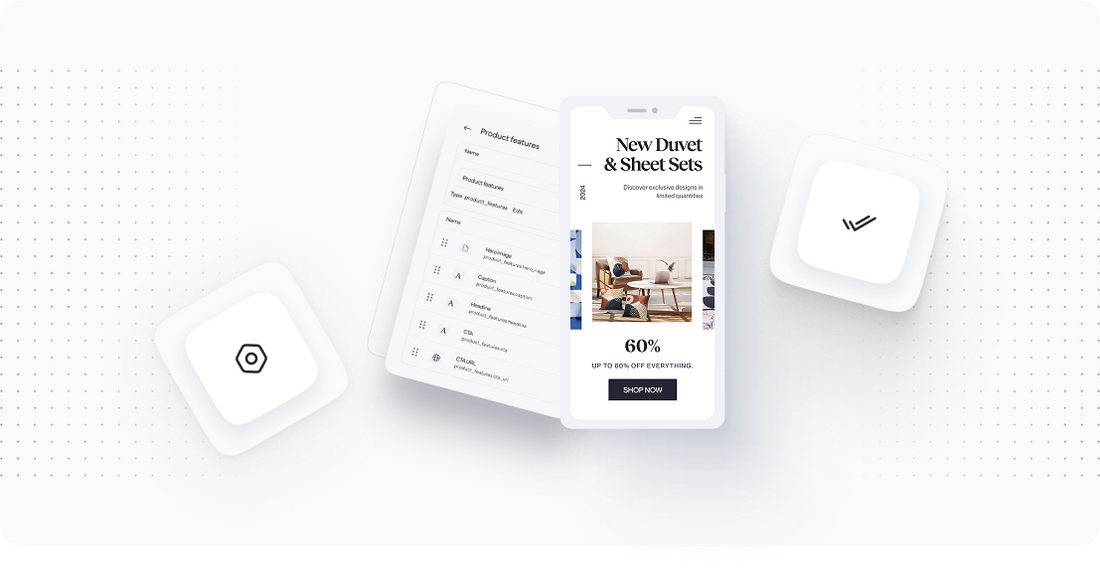
The execution of data migration is a pivotal step in transitioning from Oracle Commerce to Adimo. In this phase, we will implement the data mapping plan established earlier, ensuring accurate and thorough transfer of all relevant information.
Our methodology will involve utilizing migration tools and scripts to facilitate the transfer, while also monitoring the process for any discrepancies or issues that may arise.
- Migration Tools: Identify and use appropriate tools for data migration:
- Custom scripts for data extraction and insertion
- ETL (Extract, Transform, Load) tools if necessary
- Adimo’s built-in import functionalities
- Data Transfer Process: Begin the migration process:
- Extract data from the Oracle Commerce database using the mapping document as a guide
- Transform data as needed to fit Adimo’s structure (using the transformation rules defined earlier)
- Load data into Adimo, ensuring that each data type is inserted into the correct fields
- Monitor Migration: Continuously monitor the migration process:
- Keep an eye out for errors or warnings during the transfer
- Document any issues encountered and resolutions applied
- Have a rollback plan ready in case of severe errors
- Post-Migration Validation: After the data has been transferred, conduct a thorough validation:
- Verify that all data has been accurately migrated as per the mapping document
- Check data integrity and functionality within the Adimo platform
- Look for any missing or corrupted data and address issues promptly
Executing the data migration with precision is essential for ensuring a smooth transition and operational continuity. Once this step is successfully completed, we will be well on our way to fully utilizing the Adimo platform.
Step 5: Testing and Validation
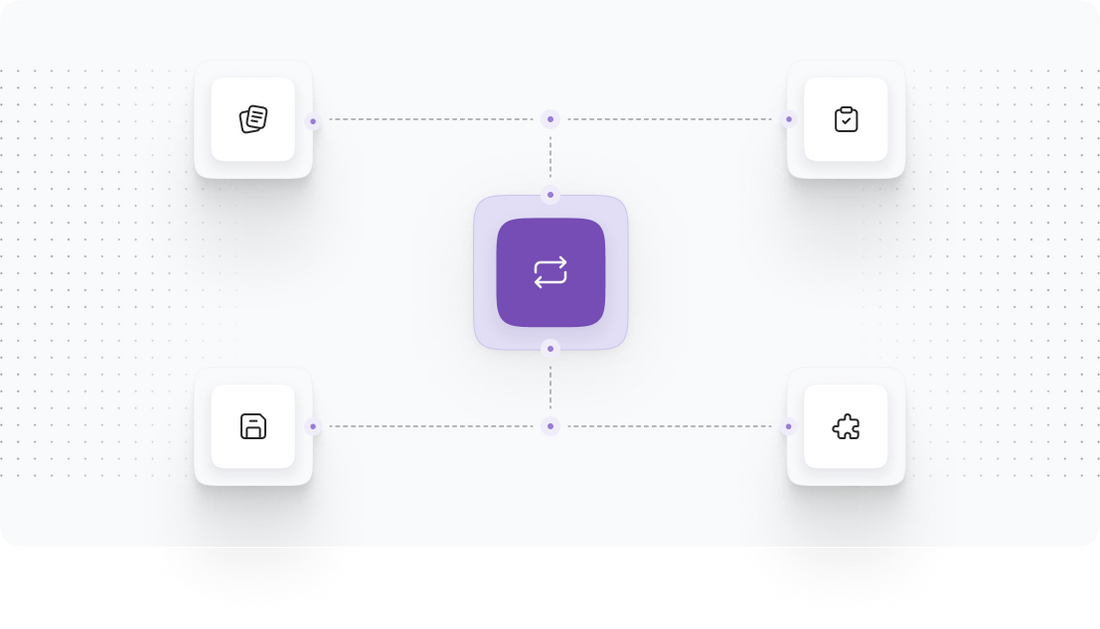
After the data migration is complete, the next crucial step is testing and validation. This phase ensures that all data and functionalities have been accurately transferred and that the new platform operates as intended.
Testing serves to identify any discrepancies, bugs, or areas needing adjustment, allowing us to fine-tune the system before going live.
- Conduct Functional Testing: Begin by testing all key functionalities within the Adimo platform:
- Test user logins and permissions
- Verify product listings and their details
- Ensure order processing works as expected
- Test promotional functionalities such as discounts and coupons
- Data Integrity Checks: Perform checks to ensure data integrity:
- Spot-check customer records to ensure accuracy
- Verify that orders and transactions have been correctly migrated
- Check for any data duplication or missing entries
- User Acceptance Testing (UAT): Involve end-users in testing the new platform:
- Gather feedback from users to identify any usability issues
- Evaluate the overall user experience and navigation
- Encourage users to report any bugs or concerns
- Performance Testing: Assess the performance of the Adimo platform:
- Test site loading speeds and responsiveness
- Evaluate performance during peak traffic scenarios
- Monitor server performance and resource utilization
- Address Any Issues: Document any issues that arise during testing:
- Prioritize fixes based on severity and impact
- Implement necessary adjustments and retest as needed
Completing thorough testing and validation will ensure that the Adimo platform is ready for launch, providing a seamless user experience and retaining the integrity of your business operations.
Step 6: Training and Onboarding
Training and onboarding are vital components following the migration process. Ensuring that your staff and stakeholders are well-versed in using the Adimo platform will contribute significantly to a seamless transition and operational success.
During this phase, we will develop a comprehensive training program tailored to the needs of different user groups within your organization.
- Identify Training Needs: Assess the different roles that will interact with the Adimo platform:
- Administrators
- Customer service representatives
- Marketing teams
- Content creators
- Create Training Materials: Develop training resources tailored to each role:
- User manuals and guidelines
- Video tutorials and webinars
- Hands-on workshops
- Conduct Training Sessions: Schedule training sessions for each user group:
- Provide live demonstrations of key functionalities
- Encourage participants to ask questions and engage with the platform
- Offer follow-up sessions for additional support
- Feedback and Support: Collect feedback from trainees to improve the training program:
- Identify any areas where users need additional support
- Provide ongoing support and resources for troubleshooting
- Documentation: Ensure that all training materials are readily accessible:
- Store resources in a shared location for easy reference
- Update materials regularly to reflect any changes in the platform
By investing in thorough training and onboarding, you empower your team to operate the Adimo platform confidently, enhancing their productivity and ensuring a smooth transition to the new system.
Step 7: Go Live and Post-Migration Review
As we approach the final phase of the migration process, it’s time to go live with the Adimo platform. This step marks the culmination of your migration efforts and the start of a new chapter for your e-commerce operations.
Following the launch, it’s essential to conduct a post-migration review to evaluate the success of the migration and identify areas for improvement.
- Go Live: Transition from Oracle Commerce to Adimo:
- Set a specific date and time for the switch to minimize disruption
- Ensure that all final checks have been completed and that the platform is ready for customer interactions
- Communicate the migration to your customers to prepare them for any changes
- Monitor Performance: After going live, closely monitor the platform’s performance:
- Check for any unexpected issues or bugs
- Track site performance metrics (loading speed, uptime, etc.)
- Ensure that all functionalities are operating as intended
- Post-Migration Review: Conduct a comprehensive review of the migration process:
- Gather feedback from users regarding their experiences
- Assess whether all migration goals were met
- Document lessons learned and any challenges faced during the migration
- Continuous Improvement: Identify areas for ongoing improvement within the Adimo platform:
- Plan for future updates or enhancements based on user feedback
- Regularly review platform performance and customer satisfaction
- Consider additional training or resources as needed
Successfully going live with the Adimo platform represents a significant achievement, and conducting a thorough post-migration review ensures that the transition is not only successful but also sets the foundation for future growth and improvement.
Power Your Step - Get in Touch
If you're ready to take your e-commerce operations to the next level, we're here to help! At PowerCommerce, we specialize in seamless migrations from Oracle Commerce to Adimo, ensuring a smooth transition that minimizes downtime and maximizes efficiency.
Contact us today:
- Visit our contact form: Contact PowerCommerce
- Call us directly at 800-099-9090
- Email us at [email protected]
Let our team of experts guide you through the migration process with confidence, leveraging our 15 years of industry experience and commitment to innovation. Don’t wait; start your journey to a more efficient and powerful e-commerce platform today!

Unlock dedicated support to shape an incredible future with solutions crafted for scale and innovation.
Let's WorkStay aligned on what's happening in the commerce world


Trusted by 1000+ innovative companies worldwide
Schedule Your Migration Today
For businesses prioritizing simplicity, scalability, and robust support, Shopify is the clear winner.
Looking to migrate without hassle? Power Commerce can handle the entire process, ensuring smooth data transfer, store setup, and post-launch success.
Marka Marulića 2, Sarajevo, 71000 BiH
[email protected]