






Salla to Magento
Migrating your store from Salla to Magento might seem daunting, but with proper planning and the right tools, it's a smooth process. Follow this step-by-step guide to ensure a successful transition.
Schedule a call
Step-by-Step Migration Guide: Salla to Magento Migration Guide
Step 1: Preparing Your Salla Store for Migration
Before initiating the migration from Salla to Magento, it's crucial to prepare your Salla store. This step ensures that all data is backed up and ready for a seamless transition.
Step 2: Choosing the Right Magento Version
Selecting the appropriate version of Magento is crucial for your migration. This step discusses the differences between Magento Open Source and Magento Commerce.
Step 3: Installing the Magento Salla Connector
To facilitate the migration process, installing the Magento Salla Connector is essential, allowing for data transfer between the two platforms.
Step 4: Importing Products from Salla to Magento
This step involves importing your product data from Salla to Magento, ensuring that all product details are accurately transferred.
Step 5: Migrating Customer Data
Transferring customer data from Salla to Magento is essential for maintaining user accounts and order histories. This step covers the migration process.
Step 6: Importing Orders from Salla
Importing order history from Salla to Magento is crucial for maintaining business continuity and providing accurate records for customers.
Step 7: Finalizing Magento Setup and Configuration
Once all data has been imported, finalizing the setup of your Magento store is essential to ensure everything functions correctly before launch.
Power Your Step - Get in Touch
Ready to migrate your store? Contact PowerCommerce for expert support in your Salla to Magento migration.
Step 1: Preparing Your Salla Store for Migration
In this initial step, we focus on preparing your Salla store to ensure a smooth migration to Magento. This preparation phase is vital as it sets the foundation for a successful transition, minimizing potential disruptions and data loss.
First, we will conduct a comprehensive backup of your existing Salla store. This includes all data such as product listings, customer information, order history, and any associated media files. To initiate the backup:
- Log in to your Salla account and navigate to the settings panel.
- Locate the ‘Backup’ section and select ‘Create Backup’.
- Download the backup files and store them in a secure location.
Next, you should review your current product catalog to ensure that all items are correctly categorized and described. Take this opportunity to clean up any outdated or incorrect product information, which will enhance the organization of your Magento store later on.
It's also essential to analyze your customer data. Export customer lists and segment them based on their purchase history or demographics. This information can be beneficial for targeted marketing strategies on your new Magento store.
Finally, ensure that any integrations or third-party applications your Salla store relies on are documented. This includes payment gateways, shipping providers, and any marketing tools. Understanding these integrations will help in re-establishing them on the Magento platform.
Step 2: Choosing the Right Magento Version
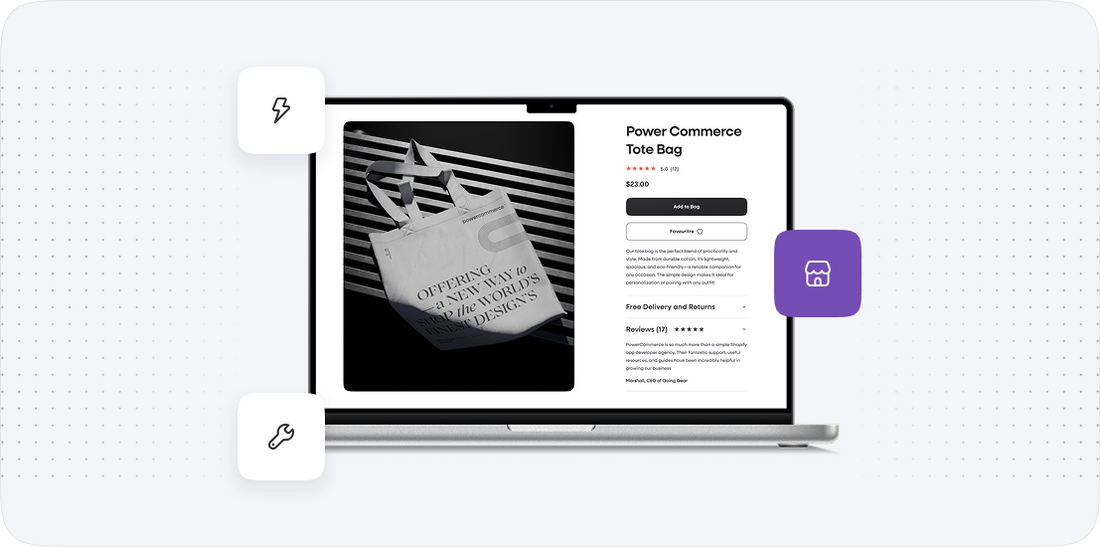
Choosing the right version of Magento is a pivotal decision that impacts your store's functionality, scalability, and overall operational success. Magento offers two primary versions: Magento Open Source and Magento Commerce.
Magento Open Source is ideal for small to medium-sized businesses. It provides essential ecommerce functionalities without the costs associated with Magento Commerce. However, it requires self-hosting, which means you need to manage your server and security.
On the other hand, Magento Commerce is a cloud-based solution that includes additional features such as advanced marketing tools, customer segmentation, and enhanced security. This version is suitable for larger enterprises that require robust support and extensive customization capabilities.
To determine which version is right for you, consider the following:
- Budget: Evaluate your budget for initial setup, ongoing maintenance, and potential development costs.
- Business Size: Assess your business size and growth trajectory. If you anticipate rapid growth, Magento Commerce may be the better choice.
- Technical Skills: Consider the technical expertise available within your team. Magento Open Source may require a developer, whereas Magento Commerce offers more built-in support.
Once you decide on the version, proceed to purchase or set up your Magento account to initiate the migration process.
Step 3: Installing the Magento Salla Connector
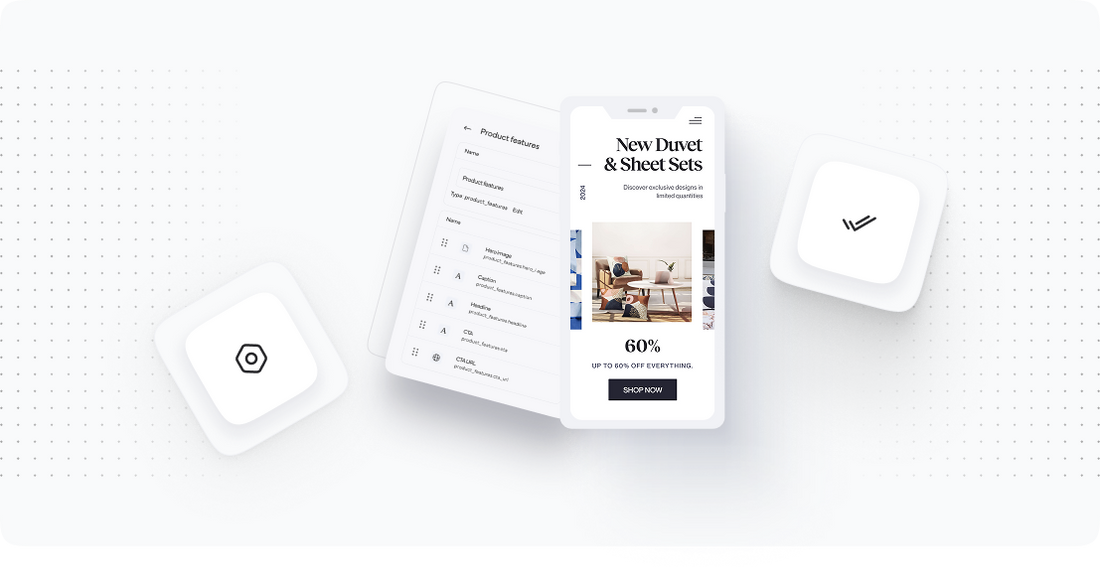
With your Magento environment ready, the next step involves installing the Magento Salla Connector. This connector is designed to streamline the migration process by enabling the import and export of data between Salla and Magento.
To install the connector, follow these steps:
- Log in to your Magento Admin Panel.
- Navigate to the ‘Marketplace’ and search for the Salla Connector.
- Select the connector and click on ‘Install’.
Once the installation is complete, you will need to configure the connector. This involves:
- Accessing the connector settings via the ‘Salla Connector’ menu in your Magento Admin.
- Entering your Salla API credentials, which you can obtain from your Salla developer account.
- Configuring the settings to specify how data will be imported and exported, including product details, customer data, and order histories.
After configuring the connector, run a test to ensure it is correctly set up to communicate with your Salla store. This step is crucial to prevent data loss during the actual migration.
Step 4: Importing Products from Salla to Magento
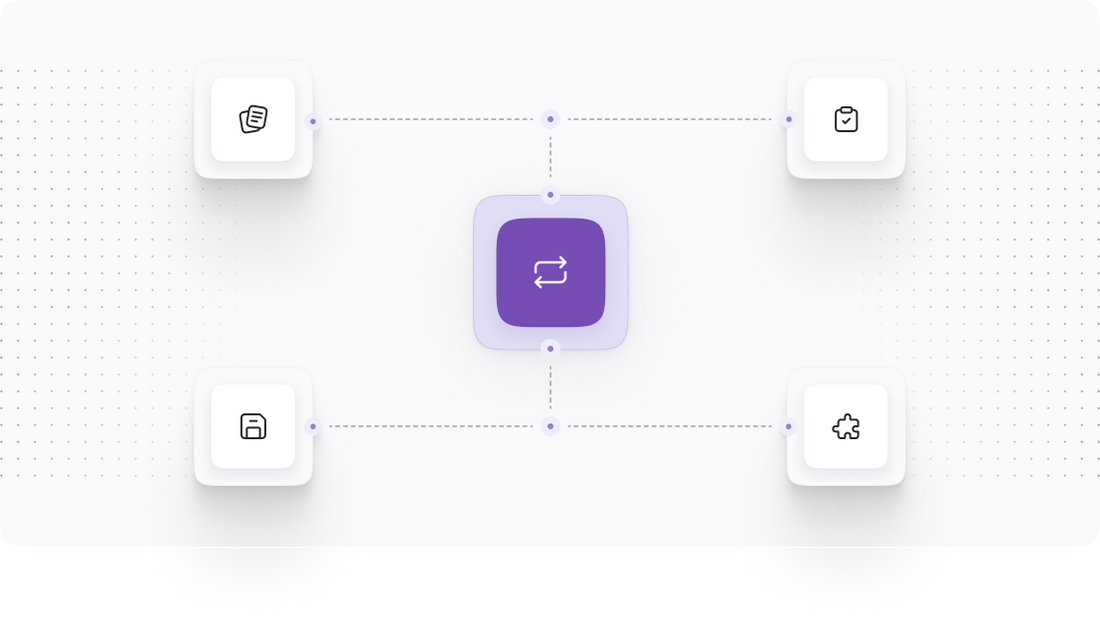
With the Salla Connector installed and configured, we can now move on to the product importation phase. This step is critical as it ensures that all your product data is accurately transferred to Magento.
To import products from Salla to Magento:
- In the Magento Admin Panel, navigate to the Salla Connector settings.
- Select the ‘Import Products’ option.
- You will be prompted to choose the data fields you want to import, such as product name, description, price, and images. Ensure that all relevant fields are selected.
After selecting the desired fields, click on ‘Start Import’. The Salla Connector will begin fetching the product data from your Salla store.
Once the import process is complete, review the imported products in the Magento catalog. It is essential to verify that all product details, including images and descriptions, have been transferred correctly. Look out for any discrepancies or missing information, which you can address before launching your new Magento store.
Additionally, consider setting up product categories and attributes in Magento to organize your inventory effectively.
Step 5: Migrating Customer Data
After successfully importing products, the next crucial step is migrating your customer data from Salla to Magento. Retaining customer accounts and their order histories is vital for providing a seamless shopping experience on your new platform.
To migrate customer data:
- Return to the Salla Connector settings in your Magento Admin Panel.
- Select the option for ‘Import Customers’.
- Choose the relevant fields to import, including customer names, email addresses, shipping addresses, and order histories.
Once you have selected the fields, initiate the import process by clicking ‘Start Import’.
After the migration completes, review the customer accounts in Magento. Ensure that all customer data has been accurately imported and that customers can log in to their accounts without issues. It's advisable to send a notification email to your customers informing them of the migration and any new features available on your Magento store.
Step 6: Importing Orders from Salla
In this step, we will focus on migrating your order history from Salla to Magento. Having access to previous orders is essential for customer service and maintaining accurate records.
To import orders:
- Navigate to the Salla Connector settings in your Magento Admin Panel.
- Select the ‘Import Orders’ option.
- Choose the order fields you wish to import, such as order ID, customer details, product details, order status, and payment information.
Click on ‘Start Import’ to begin the process. The connector will retrieve the order data from your Salla store.
Once the import is complete, review the orders in Magento. Ensure that all order details have been accurately transferred, including the status of each order. This step is vital to ensure customers can track their previous purchases and for you to manage customer service effectively.
Step 7: Finalizing Magento Setup and Configuration
With all your products, customers, and orders successfully imported into Magento, the next step is to finalize your store’s setup. This phase involves configuring essential settings to ensure the store operates smoothly.
Begin by reviewing your store settings:
- Payment Gateways: Configure your payment methods by navigating to the ‘Payments’ section in Magento. Ensure that all necessary gateways are activated and tested.
- Shipping Options: Set up shipping methods and rates under the ‘Shipping’ settings. Make sure to offer various options to cater to customer preferences.
- Store Policies: Review and update your store policies, including returns, shipping, and privacy policies. Clear communication of these policies builds customer trust.
Next, configure your site’s appearance. Customize your theme and layout to align with your brand identity. Consider adding essential plugins for SEO, marketing, and analytics to boost your store’s performance.
Finally, run a thorough test of your store’s functionality. Test the checkout process, ensure that all links are working, and verify that customer accounts are functioning as expected. Address any issues before launching the store to the public.
Power Your Step - Get in Touch
At PowerCommerce, we understand that migrating your ecommerce platform can be a daunting task. Our team of experts is here to ensure that your transition from Salla to Magento is seamless and efficient.
Contact us today to get started on your migration journey:
- Visit our contact form to reach out to our team.
- Call us at 800-099-9090 for immediate assistance.
- Email us at [email protected] for any inquiries or to schedule a consultation.
Don't hesitate--empower your ecommerce business with PowerCommerce's expert migration support!

Unlock dedicated support to shape an incredible future with solutions crafted for scale and innovation.
Let's WorkStay aligned on what's happening in the commerce world


Trusted by 1000+ innovative companies worldwide
Schedule Your Migration Today
For businesses prioritizing simplicity, scalability, and robust support, Shopify is the clear winner.
Looking to migrate without hassle? Power Commerce can handle the entire process, ensuring smooth data transfer, store setup, and post-launch success.
Marka Marulića 2, Sarajevo, 71000 BiH
[email protected]