






Shopware to Plentymarkets
Migrating your store from Shopware to Plentymarkets might seem daunting, but with proper planning and the right tools, it's a smooth process. Follow this step-by-step guide to ensure a successful transition.
Schedule a call
Step-by-Step Migration Guide: Shopware to PlentyMarkets Migration Guide
Step 1: Pre-Migration Preparation
In this initial step, we will focus on preparing your Shopware store for a seamless migration to PlentyMarkets. This involves auditing your current setup and ensuring all data is backed up.
Step 2: Data Export from Shopware
This step involves exporting all necessary data from your Shopware store in a format compatible with PlentyMarkets for a smooth transition.
Step 3: Setting Up Your PlentyMarkets Account
In this step, we will create and configure your PlentyMarkets account to ensure it is ready to receive data from Shopware.
Step 4: Data Import into PlentyMarkets
Now it’s time to import the exported data from Shopware into your newly configured PlentyMarkets account to complete the migration.
Step 5: Configuring Payment and Shipping Methods
In this step, we will set up payment and shipping configurations in PlentyMarkets to ensure a seamless customer experience post-migration.
Step 6: Testing Your New Store
Conducting thorough testing of your new PlentyMarkets store is essential to ensure everything functions as expected before launching.
Step 7: Launch Your New Store
With everything set and tested, it’s time to launch your new PlentyMarkets store and start engaging with your customers.
Power Your Step - Get in Touch
Ready to elevate your ecommerce game? Contact PowerCommerce to leverage our expert migration support for a seamless transition.
Step 1: Pre-Migration Preparation
Before we initiate the migration from Shopware to PlentyMarkets, it is crucial to prepare adequately. This step ensures that we have a clear roadmap and minimizes potential risks during the migration process.
The first task is to conduct a comprehensive audit of your current Shopware store. This involves reviewing your existing products, categories, customers, and orders. A thorough understanding of what needs to be migrated helps in planning the migration strategy effectively.
- Backup Your Data: The first and foremost action is to create a complete backup of your Shopware store. This includes:
- Exporting product data (CSV or XML format)
- Backing up customer information (contact details, account settings)
- Saving order history and transaction data
- Exporting any custom themes or plugins that you might need later
- Document Current Configurations: Note down your current configurations, including payment gateways, shipping methods, and any custom settings you may have implemented. This will facilitate reconfiguration in PlentyMarkets.
- Identify Third-Party Integrations: List all third-party services integrated with your Shopware store (like ERP systems, CRMs, etc.). This will help in ensuring these integrations remain functional after the migration.
- Set a Timeline: Establish a timeline for the migration process. Choose a period that minimizes disruption to your business, preferably during off-peak hours.
By completing these preparatory tasks, we set a strong foundation for a successful migration to PlentyMarkets, ensuring that no critical data or configuration is lost in the process.
Step 2: Data Export from Shopware
Once we have prepared our Shopware store, the next step is to export the data required for the migration to PlentyMarkets. This includes products, categories, customers, orders, and any additional data that might be necessary.
Here’s a step-by-step guide to ensure that all data is accurately exported:
- Log in to Your Shopware Admin Panel: Access your Shopware admin dashboard to begin the data export process.
- Export Product Data: Navigate to the product section and export your product list in CSV format. Ensure to include all relevant fields such as product name, description, SKU, price, and inventory levels.
- Export Category Data: Similar to product data, export your categories. This will help in maintaining the structure of your online store on PlentyMarkets.
- Export Customer Data: It’s essential to retain your customer accounts. Export all customer data, including names, email addresses, and order history.
- Export Order Data: This includes all past orders, which are crucial for maintaining customer trust and communication post-migration.
- Check for Missing Data: Review the exported files to ensure all necessary data has been captured. Pay close attention to any custom fields you may have created in Shopware.
By exporting all relevant data correctly, we ensure that the transition to PlentyMarkets is as seamless as possible, allowing for easy data import into the new platform.
Step 3: Setting Up Your PlentyMarkets Account
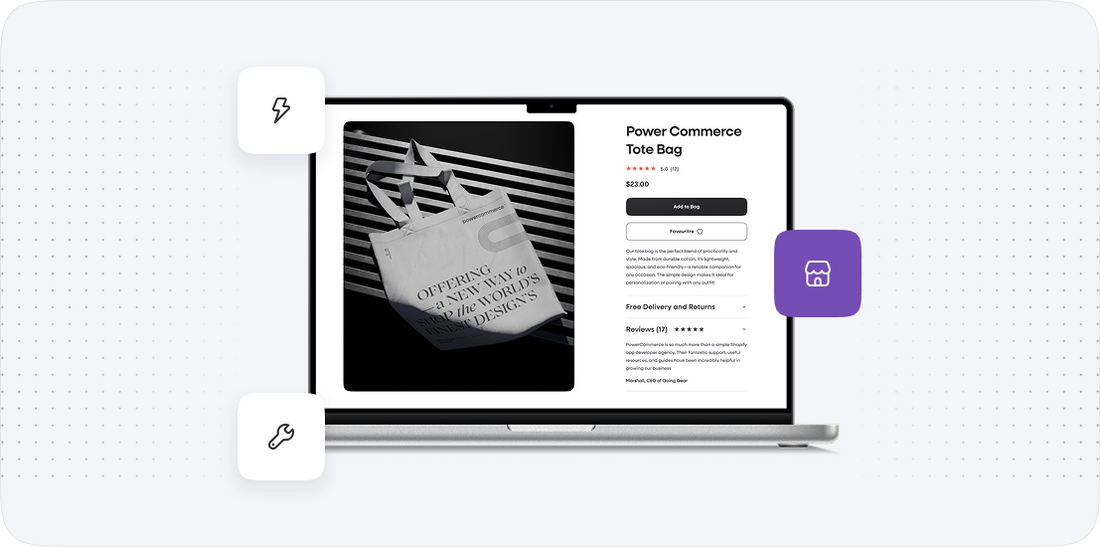
With the data exported from Shopware, the next step is to set up your account on PlentyMarkets. This involves creating an account, configuring settings, and preparing it for data import.
Here’s how to set up your PlentyMarkets account:
- Create an Account: If you do not already have a PlentyMarkets account, visit their website and register. Fill in the necessary business details and complete the registration process.
- Configure Account Settings: Once logged in, navigate to the settings section. Here, you can define your business parameters, including:
- Business name and contact information
- Payment methods and shipping options
- Tax settings based on your region
- Set Up Your Storefront: Customize your PlentyMarkets storefront. Choose a theme that aligns with your brand identity, and configure it according to your needs.
- Integrate Necessary Extensions: If you need specific functionalities, browse the PlentyMarkets marketplace for plugins or extensions that can enhance your store's capabilities.
Completing this step ensures that your PlentyMarkets account is fully functional and tailored to your business needs, ready to accept the data imported from Shopware.
Step 4: Data Import into PlentyMarkets
With your PlentyMarkets account set up, we can now proceed to import the data that was previously exported from Shopware. This step is critical for ensuring that your products, categories, customers, and orders are correctly established in the new system.
Follow these detailed instructions to import your data:
- Access the Import Section: Log in to your PlentyMarkets account and navigate to the import section found in the dashboard.
- Upload Product Data: Begin by uploading the CSV file containing your product data. PlentyMarkets will guide you through the mapping process to ensure all fields are correctly aligned with their database.
- Import Categories: After successfully importing products, proceed to upload the category data. This will ensure your products are organized correctly under the relevant categories.
- Upload Customer Data: Next, import the customer data CSV. This step is important for maintaining customer records and allowing them to access their accounts post-migration.
- Import Orders: Finally, upload the order data. This will preserve the transaction history for your customers, allowing you to maintain business continuity.
- Validation: After each import, check for any errors or missing data. PlentyMarkets typically provides validation reports to help identify issues.
By following these steps, we ensure that all data from Shopware is accurately reflected in your PlentyMarkets account, laying the groundwork for successful operations moving forward.
Step 5: Configuring Payment and Shipping Methods
After successfully importing data into PlentyMarkets, the next step is to configure your payment and shipping methods. This is vital for ensuring that your customers can complete transactions and receive their orders without any hitches.
To configure these settings, follow these steps:
- Access Payment Settings: Navigate to the payment settings section in your PlentyMarkets account. Here you will find options to set up various payment gateways.
- Choose Payment Methods: Select the payment methods you wish to offer (e.g., credit card, PayPal, bank transfer). Ensure that these methods align with your target market's preferences.
- Configure Payment Gateway Credentials: For each payment method, you will need to enter the necessary credentials (API keys, merchant IDs, etc.) to integrate them seamlessly with your PlentyMarkets store.
- Set Up Shipping Options: Next, navigate to the shipping settings. Configure your shipping methods, including standard, expedited, and international options.
- Define Shipping Rates: Set the shipping rates based on the regions you plan to serve. You can configure flat rates, free shipping thresholds, or real-time shipping calculations.
- Test Your Payment and Shipping Settings: Before going live, conduct test transactions to ensure that the payment and shipping processes operate smoothly.
This thorough configuration will enhance customer experience, ensuring that they can navigate the checkout process effortlessly.
Step 6: Testing Your New Store
Before officially launching your PlentyMarkets store, it is critical to conduct thorough testing to ensure that all features and functionalities are working as intended. This step minimizes the risk of issues that could affect customer experience post-launch.
Here’s how to perform comprehensive testing:
- Functional Testing: Go through every feature of your store, including product browsing, search functionality, and category navigation. Ensure that all links and buttons work correctly.
- Checkout Process Testing: Simulate purchases to test the entire checkout process. Make sure to test different payment methods and ensure that order confirmations are received.
- Mobile Responsiveness Testing: Check how your store displays on various devices and screen sizes. Ensure that the mobile experience is seamless and user-friendly.
- Performance Testing: Assess the speed and performance of your store. Use tools to analyze load times, and address any performance issues that could deter customers.
- Integration Testing: Verify that integrations with third-party services (like ERPs, CRMs, and shipping providers) are functioning correctly and that data is syncing properly.
- User Acceptance Testing (UAT): Involve a few trusted customers or team members to test the store and provide feedback on their experience. This can help identify any overlooked issues.
By thoroughly testing your store, you ensure that it is ready for customers, providing them with a smooth and enjoyable shopping experience.
Step 7: Launch Your New Store
The final step in our migration process is to launch your new PlentyMarkets store. This marks the culmination of our efforts to ensure a seamless transition from Shopware.
Here are the steps to successfully launch your store:
- Final Review: Conduct a last-minute review of all configurations, ensuring that everything is set up as intended. Double-check payment and shipping settings.
- Go Live: Publish your store and ensure it's accessible to your customers. Monitor the launch closely to catch any immediate issues.
- Communicate with Your Customers: Announce your new store to your existing customer base through email or social media. Highlight any new features or improvements they can expect.
- Monitor Performance: After launch, keep an eye on your store's performance metrics. Look for any areas that may need adjustment, such as site speed or customer feedback.
- Provide Support: Be ready to support customers as they navigate the new platform. Respond to queries quickly to ensure customer satisfaction during this transition phase.
Launching your PlentyMarkets store is an exciting moment! By following these steps, we can ensure that your customers enjoy a smooth experience as they begin shopping in your new online store.
Power Your Step - Get in Touch
At PowerCommerce, we are dedicated to empowering your ecommerce journey with innovative solutions and expert guidance. If you're ready to migrate from Shopware to PlentyMarkets or have any questions about the process, our team is here to help!
Here’s how you can get in touch with us:
- Visit our contact page to fill out the inquiry form.
- Call us directly at 800-099-9090 for immediate assistance.
- Email us at info@powercommerce.com for any inquiries or detailed questions.
Our commitment to your success means we will work closely with you to ensure your migration is smooth, efficient, and tailored to your specific business needs. Don’t hesitate--reach out today and let us power your ecommerce success!

Unlock dedicated support to shape an incredible future with solutions crafted for scale and innovation.
Let's WorkStay aligned on what's happening in the commerce world


Trusted by 1000+ innovative companies worldwide
Schedule Your Migration Today
For businesses prioritizing simplicity, scalability, and robust support, Shopify is the clear winner.
Looking to migrate without hassle? Power Commerce can handle the entire process, ensuring smooth data transfer, store setup, and post-launch success.
Marka Marulića 2, Sarajevo, 71000 BiH
info@powercommerce.com