






Vtex to Sap commerce cloud
Migrating your store from Vtex to Sap commerce cloud might seem daunting, but with proper planning and the right tools, it's a smooth process. Follow this step-by-step guide to ensure a successful transition.
Schedule a call
VTEX to SAP Commerce Cloud Migration Guide
Step 1: Initial Setup and Requirements Gathering
In this step, we assess the current VTEX setup, identify necessary data, and outline requirements for a successful migration to SAP Commerce Cloud.
Step 2: Data Backup and Integrity Checks
This step focuses on creating a complete backup of all data within the VTEX platform while ensuring data integrity for a seamless migration.
Step 3: Middleware Setup for Data Flow
Establishing middleware is essential for facilitating data flow between VTEX and SAP Commerce Cloud during the migration process.
Step 4: Product and Customer Data Migration
This step involves migrating product and customer data from VTEX to SAP Commerce Cloud, ensuring all relevant information is accurately transferred.
Step 5: Configuration of SAP Commerce Cloud
Configuring SAP Commerce Cloud involves setting up platform settings, payment gateways, and shipping options to align with business operations.
Step 6: Testing and Quality Assurance
Conduct thorough testing to ensure that all functionalities in SAP Commerce Cloud work as intended and meet business requirements.
Step 7: Go Live and Post-Migration Monitoring
Final preparations and monitoring are undertaken as we transition to live operations on SAP Commerce Cloud.
Power Your Step - Get in Touch
Contact PowerCommerce to leverage our expertise in facilitating seamless ecommerce migrations.
Step 1: Initial Setup and Requirements Gathering
Before embarking on the migration journey, we need to perform a thorough assessment of the current VTEX setup. This phase is essential to ensure that we gather all necessary information that will facilitate a smooth transition to SAP Commerce Cloud.
To begin, we will conduct interviews with key stakeholders to understand the business goals associated with the migration. This includes identifying features and functionalities that are critical for the business operations and what enhancements are sought in the new platform.
- Conduct Stakeholder Interviews: Involve team members from different departments such as sales, marketing, and IT to gather comprehensive insights.
- Document Current Functionalities: Create a detailed list of existing functionalities on VTEX that are crucial for day-to-day operations.
- Identify Gaps: Discuss what features are lacking in VTEX and how SAP Commerce Cloud can fill those gaps.
- Gather Technical Requirements: Collect technical specifications related to integrations, data handling, and performance benchmarks.
Once this information is gathered, we will be in a strong position to plan the migration process effectively, ensuring that all necessary requirements are captured and addressed.
Step 2: Data Backup and Integrity Checks
Before we start the migration process, we must ensure that all existing data on the VTEX platform is securely backed up. This includes customer data, product information, order history, and any custom settings.
Data integrity is paramount, as it ensures that all information is preserved and accurately transferred to SAP Commerce Cloud. Here’s how we will proceed:
- Backup Data: Utilize VTEX's built-in export functionalities to create backups of essential data categories:
- Customer Data
- Product Information
- Order History
- Custom Settings
- Verify Backup Integrity: Ensure that the data exported is complete and free from corruption. This can be done by running checksums or hashes on the data files.
- Store Backups Securely: Save the backups in a secure, accessible location, preferably in multiple formats (e.g., CSV, JSON) for flexibility during migration.
Completing this step successfully is crucial, as it provides a safety net in case of any issues during the migration process.

Step 3: Middleware Setup for Data Flow
The middleware acts as the bridge for data transfer between VTEX and SAP Commerce Cloud. Setting up this middleware correctly is crucial to ensure that data flows seamlessly during migration.
We will proceed with the following steps:
- Select Middleware Options: Choose between third-party integration platforms (iPaaS) and custom-built middleware solutions based on business needs.
- Configure Middleware: Set up the middleware to handle data mapping, transformations, and triggers. This may involve:
- Mapping fields from VTEX to their corresponding fields in SAP Commerce Cloud.
- Setting up triggers for data changes (e.g., new customer registrations, order updates).
- Test Middleware Functionality: Conduct several test runs to ensure the middleware properly handles data transfers without errors. This includes:
- Simulating data changes in VTEX and confirming they appear correctly in SAP Commerce Cloud.
- Monitoring for any data loss or discrepancies.
Once the middleware is fully operational, it will streamline the data transfer process throughout the migration, mitigating risks of data loss or corruption.
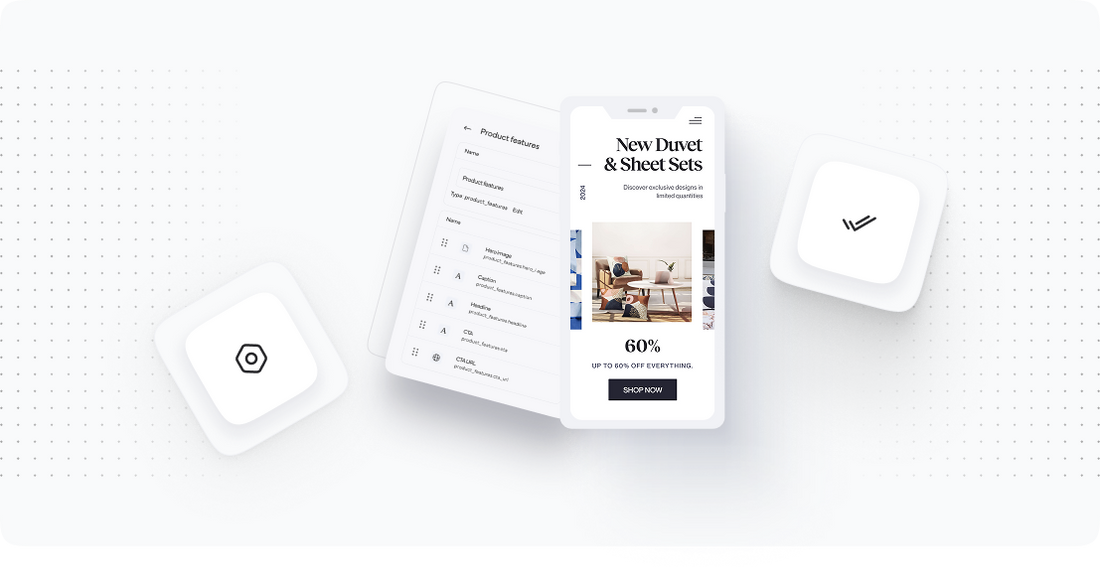
Step 4: Product and Customer Data Migration
With the middleware in place, we can now initiate the migration of product and customer data to SAP Commerce Cloud. This step is critical as it lays the foundation for operational continuity in the new platform.
The migration process can be divided into the following sub-steps:
- Prepare Data for Migration: Clean and format the data extracted from VTEX to ensure it aligns with the data structures in SAP Commerce Cloud. This may involve:
- Removing any deprecated fields.
- Ensuring data types match (e.g., text, numbers).
- Organizing product categories and hierarchies for optimal display.
- Execute Data Migration: Utilize the middleware to transfer data in batches. This may include:
- Product data (SKU, descriptions, prices, stock levels).
- Customer data (names, emails, addresses).
- Post-Migration Verification: After the migration, we will need to verify that the data has been correctly transferred:
- Run data integrity checks to compare source and destination datasets.
- Conduct sample tests to ensure product details are displayed correctly in SAP Commerce Cloud.
Successfully completing this step is crucial for ensuring that all necessary data is present in the new system, enabling a smooth transition for users.
Step 5: Configuration of SAP Commerce Cloud
Once product and customer data have been successfully migrated to SAP Commerce Cloud, the next step is to configure the platform to meet the operational needs of the business.
This configuration includes:
- Platform Settings: Adjust general settings such as:
- Store name and branding elements.
- Currency and language preferences.
- Tax rules and compliance settings.
- Payment Gateway Integration: Set up payment gateways to facilitate transactions. This involves:
- Selecting preferred payment providers (e.g., PayPal, Stripe).
- Configuring API keys and payment settings within the SAP Commerce Cloud admin interface.
- Shipping Options: Configure shipping methods and rates based on business requirements:
- Integrate with shipping carriers (e.g., FedEx, UPS).
- Define shipping zones and rules for different geographic areas.
Completing this step ensures that all necessary operational configurations are in place, allowing for a fully functional ecommerce environment post-migration.
Step 6: Testing and Quality Assurance
Before going live with SAP Commerce Cloud, it is essential to conduct extensive testing and quality assurance to ensure that everything functions correctly. This step is critical to mitigating risks associated with the migration.
The testing process will include:
- Functional Testing: Test all functionalities within the platform for correctness:
- Check navigation and user experience.
- Validate product displays, search functionality, and filtering options.
- Ensure the checkout process is smooth from cart to payment.
- Data Validation: Confirm that all migrated data is accurate and displays correctly:
- Cross-check customer data entries to ensure completeness.
- Validate product information against original VTEX records.
- Performance Testing: Assess the platform's performance under various load conditions:
- Conduct load testing to simulate high traffic scenarios.
- Monitor response times and site stability.
Thorough testing will help identify any issues that need to be resolved before the official launch, ensuring a seamless transition to SAP Commerce Cloud.
Step 7: Go Live and Post-Migration Monitoring
As we approach the final phase of the migration, the focus shifts towards going live with SAP Commerce Cloud. This step includes final preparations and monitoring to ensure a successful launch.
Key activities in this phase include:
- Final Checks: Perform last-minute checks on all functionalities and data:
- Verify final data integrity.
- Ensure that all integrations are functioning properly.
- Go Live: Transition to the new system:
- Switch the DNS settings to point to the SAP Commerce Cloud instance.
- Communicate the launch to all stakeholders and customers.
- Post-Migration Monitoring: After going live, we will monitor the system closely:
- Track performance metrics (e.g., site speed, uptime).
- Gather user feedback to identify any immediate issues.
By ensuring that all systems are monitored and functioning correctly, we can address any potential concerns proactively during the initial launch phase.
Power Your Step - Get in Touch
At PowerCommerce, we specialize in making your migration to SAP Commerce Cloud as smooth and efficient as possible. Our team of experts is dedicated to ensuring that your transition is not only successful but also enhances your operational capabilities.
If you're ready to take the next step or have any questions about the migration process, please don’t hesitate to reach out:
- Visit our contact page to fill out our inquiry form.
- Call us directly at 800-099-9090.
- Email us at info@powercommerce.com.
We are committed to your success and look forward to assisting you on your ecommerce journey!

Unlock dedicated support to shape an incredible future with solutions crafted for scale and innovation.
Let's WorkStay aligned on what's happening in the commerce world


Trusted by 1000+ innovative companies worldwide
Schedule Your Migration Today
For businesses prioritizing simplicity, scalability, and robust support, Shopify is the clear winner.
Looking to migrate without hassle? Power Commerce can handle the entire process, ensuring smooth data transfer, store setup, and post-launch success.
Marka Marulića 2, Sarajevo, 71000 BiH
info@powercommerce.com