






Wake to Shopify
Migrating your store from Wake to Shopify might seem daunting, but with proper planning and the right tools, it's a smooth process. Follow this step-by-step guide to ensure a successful transition.
Schedule a call
Step-by-Step Migration Guide: Wake to Shopify migration guide
Step 1: Prepare for Migration
In this initial step, we will conduct a thorough assessment of your existing Wake store, preparing for a seamless migration to Shopify. This includes inventory audits, data backups, and identifying necessary customizations.
Step 2: Data Migration Process
In this step, we will execute the data migration from Wake to Shopify, ensuring that all crucial data elements are transferred accurately and efficiently.
Step 3: Setting Up Shopify Store Configurations
In this step, we will configure your Shopify store settings, including payment gateways, shipping options, and tax settings, to ensure a smooth operational flow post-migration.
Step 4: Design and Customize Your Shopify Store
In this step, we will focus on designing and customizing your Shopify store to reflect your brand identity, utilizing themes and custom coding as necessary.
Step 5: Testing the Shopify Store
In this crucial step, we will thoroughly test the Shopify store to identify and fix any issues before going live, ensuring a smooth customer experience.
Step 6: Launching Your Shopify Store
In this step, we will officially launch your Shopify store, ensuring that all marketing strategies are in place for a successful go-live.
Step 7: Post-Launch Support and Optimization
Following the launch, we will provide ongoing support and optimization to ensure your Shopify store continues to perform effectively and meets evolving business needs.
Power Your Step - Get in Touch
Ready to take your ecommerce business to the next level? Contact PowerCommerce today for expert migration support tailored to your needs.
Step 1: Prepare for Migration
The first step in our migration journey is to prepare for the transition from Wake to Shopify. Preparation is crucial; it ensures that we minimize downtime and maintain data integrity throughout the migration process.
Our objective in this phase is to conduct a comprehensive assessment of your existing Wake store, analyzing its architecture, data structure, and functionalities. This assessment will help us identify what needs to be migrated, how to best format the data for Shopify, and what customizations may be necessary post-migration.
Here’s how we approach this step:
- Conduct an Inventory Audit: We need to take stock of all products, categories, and customer data that will be transferred. This includes:
- Listing all active products and their attributes (SKU, price, description, images).
- Documenting categories and their hierarchy.
- Reviewing customer data (contact information, order history).
- Backup Existing Data: Before making any changes, we will create a complete backup of your Wake store data. This includes:
- Exporting all product data in CSV format.
- Backing up all customer data.
- Saving site configurations, themes, and any other custom elements.
- Identify Required Customizations: During our assessment, we will determine if any custom functionalities in your Wake store need to be replicated in Shopify. This could involve:
- Custom checkout processes.
- Specific integrations that may not be readily available in Shopify.
- Unique styling or branding requirements that should be carried over.
By the end of this step, we will have a clear roadmap of what data will be migrated, how it will be formatted, and what custom tasks will be required to ensure your Shopify store is fully functional and reflective of your brand.
Step 2: Data Migration Process
The second step involves the actual data migration process where we will transfer all relevant data from Wake to Shopify. This step is critical as it ensures that your new Shopify store is populated with accurate and complete data without losing any information.
Our migration process will involve the following key tasks:
- Utilize Migration Tools: We will use specialized migration tools or scripts that are designed to facilitate the transfer of data between platforms. These tools help automate the process, reducing the risk of errors. Some recommended tools include:
Cart2Cartfor automated product transfer.LitExtensionfor a comprehensive migration solution.- Prepare Data for Import: Before importing the data into Shopify, we need to ensure that the data is in a compatible format. This includes:
- Cleaning the data to remove duplicates and irrelevant entries.
- Formatting the CSV files correctly according to Shopify’s requirements.
- Import Data into Shopify: Using Shopify's import tools, we will upload the cleaned and formatted data. This process will include:
- Importing product details including images, descriptions, and pricing.
- Importing customer lists and their order histories.
- Setting up product categories and collections in Shopify.
Once the import is complete, we will conduct a verification process to ensure all data has been transferred correctly. This will involve checking product listings, customer accounts, and verifying order histories.
Step 3: Setting Up Shopify Store Configurations
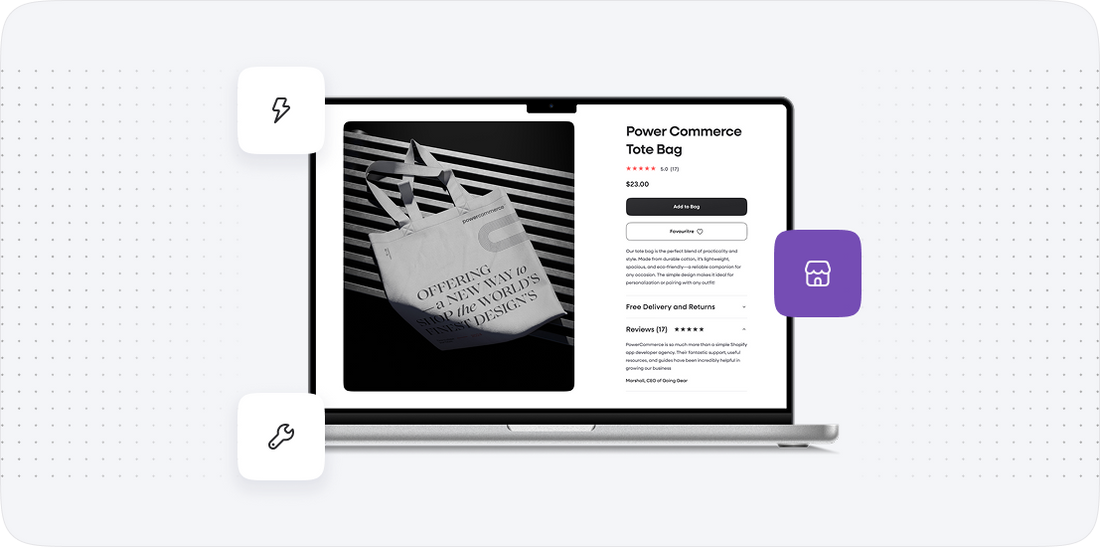
After migrating the data, the next step is to configure your Shopify store settings. This is crucial for ensuring that the store operates smoothly and meets your business requirements.
We will focus on the following configurations:
- Payment Gateway Setup: We will configure payment gateways to allow for seamless transactions on your Shopify store. This includes:
- Choosing preferred payment providers (e.g., Shopify Payments, PayPal, Stripe).
- Setting up necessary merchant accounts.
- Configuring payment settings, including currency and fraud prevention options.
- Shipping Options Configuration: Setting up shipping options is vital for providing your customers with the best delivery experience. We will:
- Define shipping zones and rates based on your target markets.
- Choose shipping carriers (e.g., USPS, FedEx, UPS) and integrate their services.
- Set up options for local delivery, in-store pickup, or international shipping.
- Tax Settings: Ensuring compliance with tax regulations is critical. We will:
- Configure tax rates based on your business location and customer locations.
- Enable automatic tax calculations for different regions.
By the end of this step, your Shopify store will be configured to handle transactions, manage shipping, and comply with tax regulations efficiently.
Step 4: Design and Customize Your Shopify Store
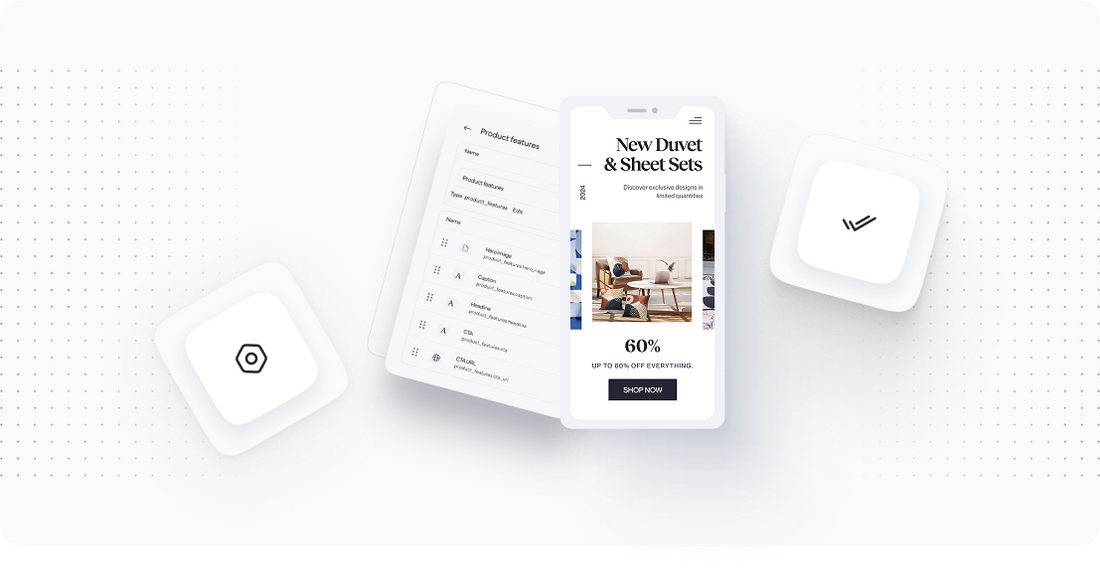
The fourth step is all about making your Shopify store visually appealing and aligned with your brand identity. A well-designed store not only attracts visitors but also enhances user experience.
We will undertake the following tasks:
- Select a Theme: Shopify offers a wide range of themes, which we will review to find one that best suits your brand. Factors to consider include:
- Responsiveness and compatibility with mobile devices.
- Customization options available within the theme.
- Visual aesthetics that align with your brand identity.
- Customize the Theme: After selecting a theme, we will customize it to reflect your unique brand. This includes:
- Modifying colors, fonts, and layouts to match your branding.
- Adding your logo and any custom graphics.
- Configuring navigation menus for optimal user experience.
- Implement Branding Elements: It’s essential to incorporate branding elements throughout your store. We will:
- Add banners and promotional graphics that resonate with your audience.
- Ensure product pages have consistent formatting and branding.
By the end of this step, your Shopify store will not only be functional but also visually striking and representative of your brand.
Step 5: Testing the Shopify Store
Before launching your Shopify store, rigorous testing is essential to ensure everything functions correctly and provides a seamless shopping experience for your customers.
Our testing process will focus on the following areas:
- Data Verification: We will check that all data migrated from Wake is correct. This includes:
- Confirming product details (prices, descriptions, images).
- Ensuring all customer accounts and order histories are accurate.
- Functionality Testing: We will thoroughly test all functionalities of the store, including:
- Payment processing to ensure transactions go through without issues.
- Shipping options to verify that rates are calculated correctly.
- Checkout process to ensure a smooth user experience.
- Responsive Testing: It's crucial that your store looks great and works well on all devices. We will:
- Test the store on various screen sizes (desktop, tablet, mobile).
- Check loading times and responsiveness of all pages.
After conducting these tests, we will compile a report of any issues found and address them promptly to ensure your store is ready for launch.
Step 6: Launching Your Shopify Store
The launch of your Shopify store is an exciting milestone! In this step, we will ensure that everything is in place for a successful go-live.
Here’s our launch plan:
- Final Pre-launch Checklist: Before launching, we will run through a final checklist to ensure everything is ready:
- Verify that all products are published and visible.
- Ensure payment gateways are live and functioning.
- Confirm shipping settings are correctly configured.
- Implement Marketing Strategies: A successful launch requires effective marketing. We will:
- Set up email marketing campaigns announcing the launch.
- Utilize social media to promote the new store and its offerings.
- Consider running launch promotions to attract initial customers.
- Go Live: Once everything is set, we will officially launch the store and monitor its performance closely during the initial hours and days.
By the end of this step, your Shopify store will be live, and we will be ready to support you in monitoring its performance and addressing any immediate concerns.
Step 7: Post-Launch Support and Optimization
After a successful launch, the next step is to focus on post-launch support and continuous optimization of your Shopify store. This step is vital for maintaining performance and enhancing the customer experience.
Our post-launch activities will consist of:
- Monitoring Performance: We will closely monitor the store's performance metrics, including:
- Sales figures and conversion rates.
- Customer feedback and support queries.
- Page loading times and site speed.
- Ongoing Support: Our team will be available to address any issues that arise post-launch. This includes:
- Providing technical support for any functionality issues.
- Assisting with customer inquiries and feedback.
- Optimization Strategies: We will continuously seek ways to optimize the store for better performance and user experience. This can involve:
- Conducting A/B testing on various elements of the store.
- Implementing SEO strategies to enhance organic visibility.
- Gathering insights from analytics to inform future decisions.
With our ongoing support, your Shopify store will not only maintain its performance but also adapt to meet the evolving needs of your business.
Power Your Step - Get in Touch
Take your ecommerce business to new heights with PowerCommerce! Our dedicated team of experts is here to provide you with seamless migration support and ongoing assistance tailored to your unique needs.
Don’t let the complexities of migrating from Wake to Shopify overwhelm you. With our extensive experience and customer-centric approach, we ensure a smooth transition that minimizes downtime and maximizes your online store's performance.
Contact us today to get started:
- Visit our contact form and fill out your details.
- Call us directly at 800-099-9090.
- Email us at [email protected] for any inquiries.
Experience the PowerCommerce difference--where innovation meets integrity!

Unlock dedicated support to shape an incredible future with solutions crafted for scale and innovation.
Let's WorkStay aligned on what's happening in the commerce world


Trusted by 1000+ innovative companies worldwide
Schedule Your Migration Today
For businesses prioritizing simplicity, scalability, and robust support, Shopify is the clear winner.
Looking to migrate without hassle? Power Commerce can handle the entire process, ensuring smooth data transfer, store setup, and post-launch success.
Marka Marulića 2, Sarajevo, 71000 BiH
[email protected]