






Woocommerce to Stackcommerce
Migrating your store from Woocommerce to Stackcommerce might seem daunting, but with proper planning and the right tools, it's a smooth process. Follow this step-by-step guide to ensure a successful transition.
Schedule a call
Step-by-Step Migration Guide: WooCommerce to StackCommerce migration guide
Step 1: Assessing Your Current WooCommerce Setup
In this initial step, we will thoroughly analyze your current WooCommerce store, including its products, customer data, and integrations, to ensure a successful migration to StackCommerce.
Step 2: Preparing Your Data for Migration
In this step, we will prepare the data collected from your WooCommerce store for migration, ensuring that it is clean, organized, and compatible with StackCommerce.
Step 3: Setting Up Your StackCommerce Account
In this step, we will create and configure your StackCommerce account to ensure it is ready to receive the migrated data from WooCommerce.
Step 4: Migrating Your Product Data
In this step, we will focus on migrating your product data from WooCommerce to StackCommerce, ensuring all product details are accurately transferred.
Step 5: Migrating Customer Data
In this step, we will migrate your customer data to StackCommerce, ensuring all customer accounts and order histories are preserved for a seamless transition.
Step 6: Testing and Quality Assurance
In this step, we will conduct thorough testing and quality assurance checks on your new StackCommerce store to ensure everything functions correctly.
Step 7: Launching Your StackCommerce Store
In this final pre-launch step, we will finalize your StackCommerce store's settings and prepare for a smooth launch to the public.
Power Your Step - Get in Touch
Contact PowerCommerce today to leverage our expert support for your migration and elevate your ecommerce business.
Step 1: Assessing Your Current WooCommerce Setup
Before starting the migration process from WooCommerce to StackCommerce, we need to conduct a comprehensive assessment of your existing WooCommerce setup. This step is crucial as it allows us to understand the current state of your store, identify what data needs to be migrated, and determine any potential challenges we may face during the transition.
The assessment should cover the following key areas:
- Product Inventory: Review the types and quantities of products currently in your WooCommerce store. This includes checking for variations, attributes, and categories. We will need to ensure that all product details, such as descriptions, images, and SKUs, are accurately captured for migration.
- Customer Data: Analyzing customer accounts, including order history, shipping addresses, and any loyalty programs in place. This data is vital for maintaining customer relationships post-migration.
- Integrations: Identifying any third-party services or plugins currently in use, such as payment gateways, shipping providers, and marketing tools. Knowing these integrations will help us determine how to replicate or replace them in StackCommerce.
- Performance Metrics: Reviewing your store’s performance metrics, including traffic, conversion rates, and sales data. This information will help us set benchmarks for success in StackCommerce.
Once we have gathered all necessary information, we will be better equipped to plan the migration process effectively, ensuring that all critical aspects of your WooCommerce store are considered for a smooth transition.
Step 2: Preparing Your Data for Migration
After assessing your current WooCommerce setup, the next step is to prepare your data for migration. This involves several key tasks to ensure that the data is clean, organized, and compatible with StackCommerce.
Here’s how we will proceed:
- Data Backup: Before making any changes, it’s essential to create a complete backup of your WooCommerce store. This includes your database, product images, and any other relevant files. We recommend using a reliable backup plugin or service to ensure that you have a safe copy in case anything goes wrong during the migration.
- Data Cleaning: Review the data to identify any duplicate entries, incorrect information, or outdated products. Cleaning the data will help minimize errors during migration and ensure that your new StackCommerce store starts with the best possible data set.
- Exporting Data: Use WooCommerce's built-in export tools to extract the necessary data. This includes exporting product catalogs, customer lists, and order history. Typically, this data will be in CSV format, which is compatible with most ecommerce platforms.
- Mapping Data Fields: Prepare a mapping of data fields from WooCommerce to StackCommerce. This step is crucial as it ensures that all data is aligned correctly. For example, the 'product description' field in WooCommerce should match the corresponding field in StackCommerce.
By the end of this step, we will have a clean, organized dataset ready for migration, significantly reducing the risk of issues during the actual transfer.
Step 3: Setting Up Your StackCommerce Account
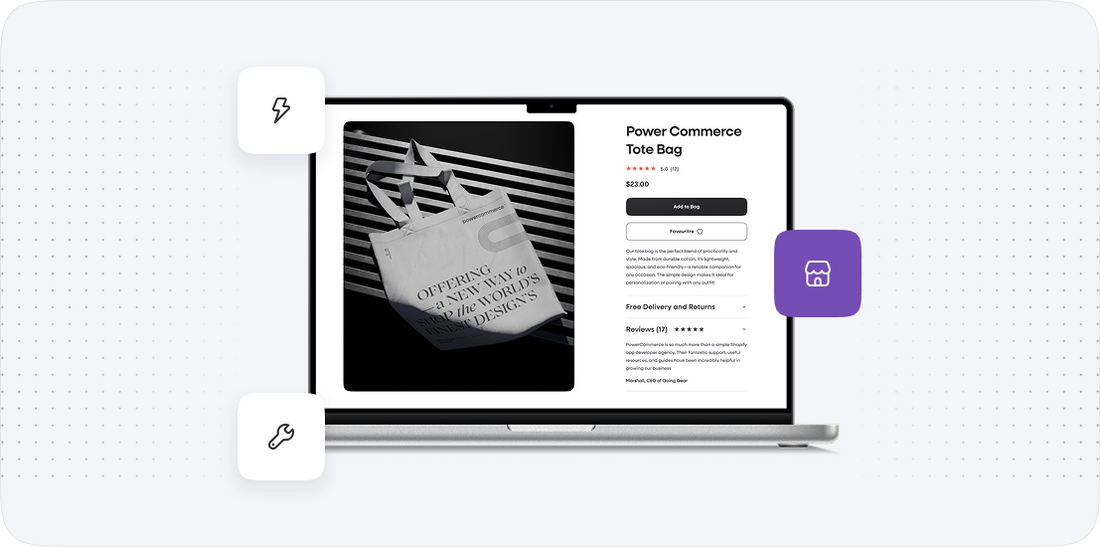
With your data prepared, the next step is to set up your StackCommerce account. This involves creating an account and configuring the necessary settings to ensure that your new ecommerce platform is tailored to your business needs.
The setup process includes the following actions:
- Creating an Account: Sign up for a StackCommerce account. Choose the plan that best suits your business size and objectives. If you’re uncertain about which plan to select, our PowerCommerce team can provide guidance based on your requirements.
- Configuring Store Settings: During the initial setup, you’ll need to configure essential store settings. This includes setting your store name, currency, and contact information. Make sure to input accurate details as they will appear on customer invoices and communications.
- Setting Up Payment Gateways: Integrate your preferred payment gateways. StackCommerce supports various payment processors, so choose the ones that align with your current payment methods in WooCommerce to ensure a seamless transition for customers.
- Shipping Settings: Configure shipping options based on your business model. Input your shipping rates, zones, and methods to ensure that they are set up similarly to how they were in WooCommerce.
Completing this step will ensure that your StackCommerce account is fully prepared to accept the migrated data, creating a solid foundation for your online store.
Step 4: Migrating Your Product Data
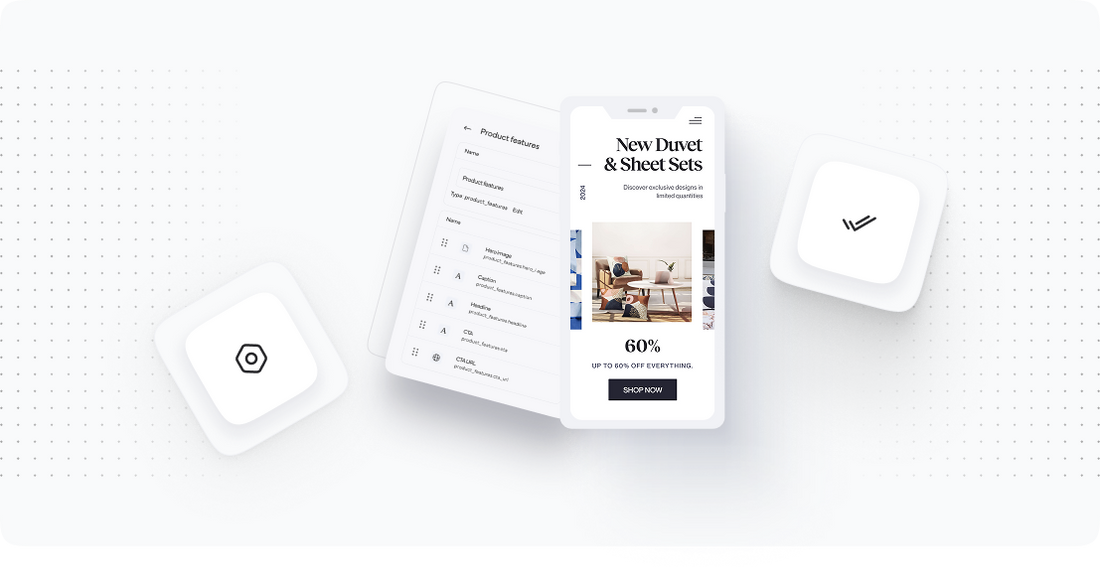
Now that your StackCommerce account is set up, we will proceed with migrating your product data from WooCommerce. This is a critical step, as your products are the core of your online store.
The migration process involves the following detailed steps:
- Importing Product Data: Utilize the import feature in StackCommerce to upload the CSV file containing your product data from WooCommerce. Ensure you have mapped the fields correctly during the upload process to avoid any discrepancies in product information.
- Verifying Product Details: After the import, it’s essential to verify that all product details, including names, descriptions, images, prices, and SKU numbers, have been transferred accurately. This can be done by reviewing a few sample products in your StackCommerce dashboard.
- Setting Up Product Variants: If you have products with variations (like size or color), ensure that these are set up correctly in StackCommerce. You may need to manually configure variants if the import process does not support them fully.
- Checking Inventory Levels: Confirm that the inventory levels for each product match those in your original WooCommerce store. This step is vital to prevent overselling or stock discrepancies.
Completing this step will ensure that your product catalog is accurately represented in StackCommerce, ready for customers to browse and purchase.
Step 5: Migrating Customer Data
With your product data successfully migrated, we will now focus on transferring your customer data from WooCommerce to StackCommerce. Preserving customer information is essential for maintaining relationships and ensuring a smooth shopping experience.
Here’s how we will approach this migration:
- Exporting Customer Data: Use the export feature in WooCommerce to download your customer data, including account details, order histories, and any special notes or preferences. This data is typically exported in CSV format.
- Importing Customer Data into StackCommerce: Similar to product data, we will import the customer data CSV into StackCommerce. Ensure that all fields, such as customer names, email addresses, shipping addresses, and order histories, are correctly mapped during the import process.
- Validating Customer Accounts: After the import, we will verify that all customer accounts have been created successfully. This includes checking that email addresses are correct and that each customer’s order history has been accurately transferred.
- Notifying Customers: Consider sending a notification email to your customers informing them of the migration to StackCommerce. This communication can reassure them about the transition and inform them of any changes they might experience.
By carefully handling customer data migration, we will ensure that your customers can continue to shop seamlessly without interruption.
Step 6: Testing and Quality Assurance
Once all data has been migrated, the next critical step is to conduct thorough testing and quality assurance on your new StackCommerce store. This ensures that everything functions correctly and provides an optimal experience for your customers.
The testing process will include the following tasks:
- Functional Testing: Test all functionalities of your store, including product searches, category navigation, and checkout processes. Ensure that all links work properly and that there are no broken pages.
- Payment Processing Testing: Perform test transactions using each payment method integrated into StackCommerce. Verify that payments are processed smoothly and that confirmation emails are sent to customers after purchases.
- Shipping and Tax Calculations: Check that shipping rates and tax calculations are accurate for different customer locations. This step is crucial to avoid discrepancies that could affect customer satisfaction.
- Responsive Design Testing: Review the store on various devices (desktop, tablet, mobile) to ensure that the layout and functionality are consistent and user-friendly across all platforms.
After completing the testing, we will address any issues found and make necessary adjustments to ensure a seamless customer experience once the store is live.
Step 7: Launching Your StackCommerce Store
After thorough testing and quality assurance, we are ready to launch your new StackCommerce store. This final step involves ensuring everything is set for a successful public launch.
Here’s how we will proceed:
- Final Configuration: Review all store settings one last time, including payment methods, shipping options, and tax settings. Ensure that everything is configured according to your business needs.
- Marketing and Launch Strategy: Develop a marketing strategy to announce the launch of your new store. This could include email campaigns, social media posts, and promotional offers to attract customers to your new platform.
- Go Live: Once everything is confirmed, we will officially launch your StackCommerce store. Monitor the site closely during the initial hours to address any unexpected issues that may arise.
- Post-Launch Support: After the launch, our team will continue to provide support to address any queries or concerns from customers. We will also analyze initial sales data to identify any areas for improvement.
With a structured launch plan and continuous support, we will ensure that your transition from WooCommerce to StackCommerce is a resounding success.
Power Your Step - Get in Touch
Are you ready to take your ecommerce business to the next level? At PowerCommerce, we specialize in seamless migrations from WooCommerce to StackCommerce, ensuring that your transition is smooth and efficient.
Don’t face the complexities of ecommerce migration alone. Our expert team is here to provide personalized support and guidance tailored to your unique business needs. By partnering with us, you can minimize downtime, maintain customer satisfaction, and maximize your online store's performance.
To get started, simply follow these steps:
- Visit our contact page.
- Fill out the contact form with your details and a brief description of your migration needs.
- Alternatively, you can reach us directly via phone at 800-099-9090 or email us at [email protected].
Let’s empower your ecommerce journey together!

Unlock dedicated support to shape an incredible future with solutions crafted for scale and innovation.
Let's WorkStay aligned on what's happening in the commerce world


Trusted by 1000+ innovative companies worldwide
Schedule Your Migration Today
For businesses prioritizing simplicity, scalability, and robust support, Shopify is the clear winner.
Looking to migrate without hassle? Power Commerce can handle the entire process, ensuring smooth data transfer, store setup, and post-launch success.
Marka Marulića 2, Sarajevo, 71000 BiH
[email protected]