






X-cart to Shopify
Migrating your store from X-cart to Shopify might seem daunting, but with proper planning and the right tools, it's a smooth process. Follow this step-by-step guide to ensure a successful transition.
Schedule a call
X-Cart to Shopify Migration Guide
Step 1: Preparing Your X-Cart Store for Migration
In this step, we will ensure that your X-Cart store is fully prepared for the migration process. This includes backing up your data, reviewing your current store structure, and identifying any customizations that need special attention during migration.
Step 2: Setting Up Your Shopify Store
This step focuses on creating your new Shopify store, configuring its basic settings, and preparing for data import.
Step 3: Mapping Your Data
In this step, we will focus on mapping the exported data from X-Cart to the appropriate fields in Shopify to ensure a smooth migration.
Step 4: Importing Data to Shopify
This step involves uploading your mapped data into your new Shopify store, ensuring that all products, customers, and orders are accurately imported.
Step 5: Customizing Your Shopify Store
In this step, we will focus on customizing your Shopify store to align with your brand identity and ensure a seamless customer experience.
Step 6: Launching Your Shopify Store
This step focuses on the final preparations for launching your Shopify store and ensuring everything is ready for your customers.
Step 7: Post-Migration Support
In this step, we will discuss the importance of post-migration support and continuous optimization for your Shopify store.
Power Your Step - Get in Touch
Contact PowerCommerce today to leverage our expertise in ecommerce migrations, ensuring a seamless transition from X-Cart to Shopify.
Step 1: Preparing Your X-Cart Store for Migration
Before initiating the migration from X-Cart to Shopify, it is imperative to prepare your X-Cart store thoroughly. This preparation will help minimize any potential issues during the migration process and ensure a smooth transition.
The first objective is to back up all your store data. A complete backup includes all essential components such as products, customers, orders, and any custom content. This is crucial because it allows you to restore your store to its previous state if something goes wrong during the migration.
Here's how to perform a comprehensive backup:
- Export Data: Use the built-in export feature in X-Cart to download your product, order, and customer data. Go to the admin panel, select the data you wish to export, and download it in a CSV format.
- Backup Media Files: Ensure that all media files, such as images, are backed up. You can do this by accessing your server via FTP and downloading the 'images' directory.
- Database Backup: Use phpMyAdmin or your hosting control panel to export your entire database. This step is critical as it contains all the essential data regarding your store's operations.
After backing up your data, review your current store structure. Take note of any customizations, plugins, or third-party integrations that you might need to replicate in Shopify. Document any specific functionalities that are essential for your business.
Finally, ensure that your X-Cart store is not processing any orders during the migration process. It is advisable to schedule the migration during off-peak hours to minimize disruptions. By following these steps, you will create a solid foundation for the migration process to Shopify.
Step 2: Setting Up Your Shopify Store
Once your X-Cart store is prepared, the next step is to set up your new Shopify store. This involves creating your Shopify account, configuring the basic settings, and preparing the environment to receive data from your X-Cart store.
Here’s how to correctly set up your Shopify store:
- Create a Shopify Account: Go to the Shopify website and sign up for an account. Choose a plan that suits your business needs. Shopify offers a free trial which you can utilize to explore the platform.
- Select a Theme: Browse through the Shopify Theme Store and choose a theme that aligns with your brand identity. You can customize the theme later to better suit your design preferences.
- Configure Store Settings: Access the Settings section in your Shopify admin panel. Here, you can set up your store’s general information, payment options, shipping settings, and taxes. Make sure to enable SSL for secure transactions.
- Install Necessary Apps: Depending on your business model, consider installing relevant apps from the Shopify App Store to enhance functionality. This could include apps for SEO, email marketing, and customer support.
- Prepare for Data Import: Familiarize yourself with the data import process in Shopify. You might need to map the fields from your X-Cart export to the corresponding fields in Shopify, ensuring data consistency and integrity.
By meticulously setting up your Shopify store, you will create an optimal environment for the migration of data from your X-Cart store.
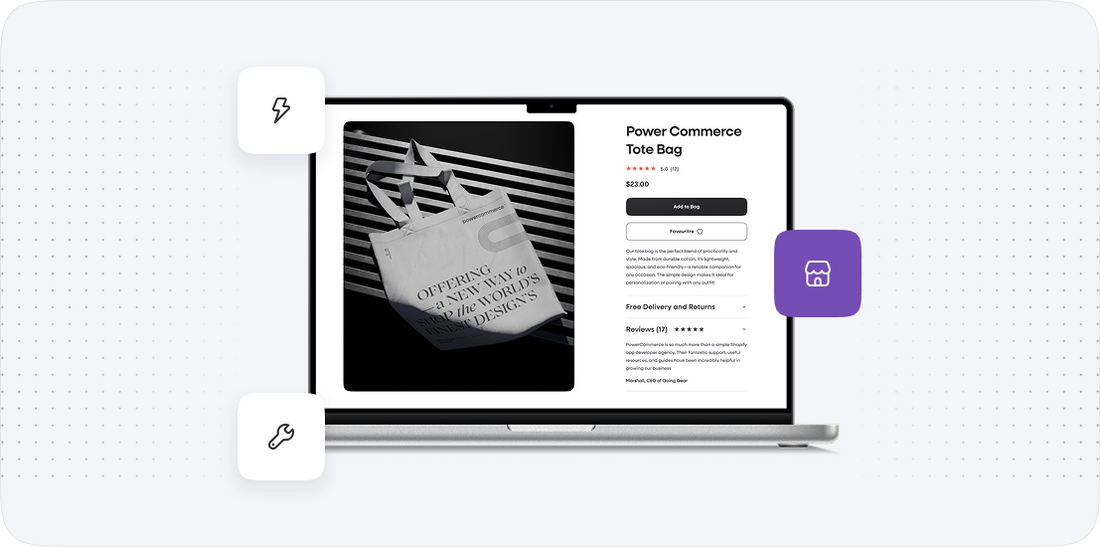
Step 3: Mapping Your Data
Data mapping is a critical step in the X-Cart to Shopify migration process. It involves aligning the data fields from your X-Cart export with the corresponding fields in Shopify. Proper mapping ensures that all your information is accurately transferred and displayed in your new store.
Here’s how to go about this process:
- Review Exported Data: Open the CSV files you exported from X-Cart and identify the columns for products, customers, orders, and any other relevant data. Familiarize yourself with the data structure.
- Identify Shopify Data Fields: In Shopify, navigate to the import section and review the required fields for each data type. This includes product titles, descriptions, prices, inventory levels, customer names, and addresses.
- Create a Mapping Document: Create a mapping document that outlines how each field from your X-Cart data corresponds to the fields in Shopify. For example:
- Product Name (X-Cart) → Title (Shopify)
- Product Description (X-Cart) → Body (Shopify)
- Price (X-Cart) → Price (Shopify)
By documenting this mapping, you will minimize errors during the import process and ensure that all data is accurately represented in your new Shopify store.
Lastly, consider any custom attributes you may have in X-Cart. Make sure to include instructions for these in your mapping document to ensure they are also transferred correctly.
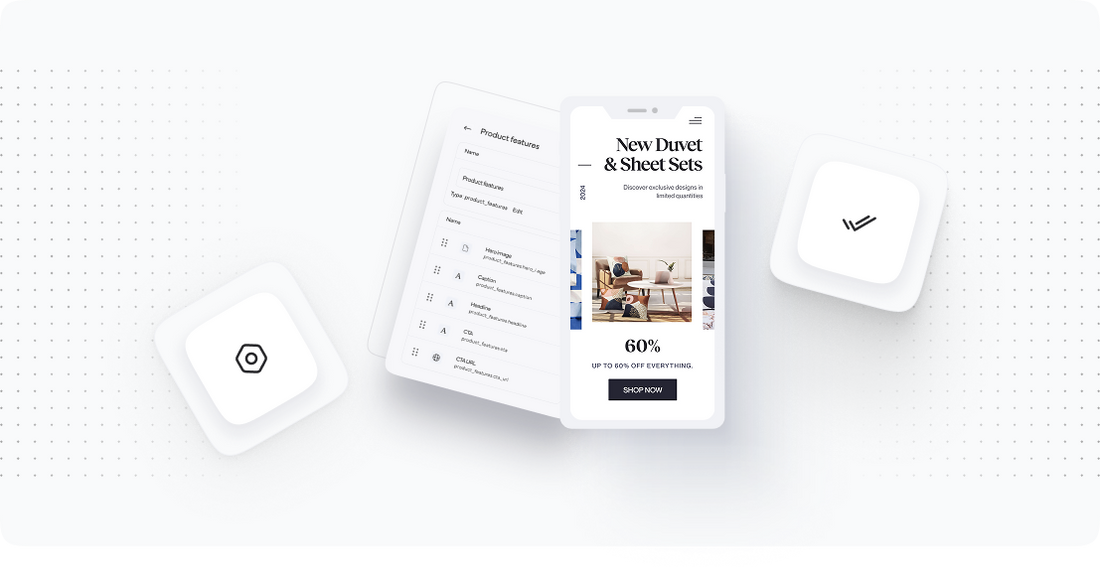
Step 4: Importing Data to Shopify
With your data mapped and your Shopify store set up, it’s time to import your data. This step is crucial as it brings all your valuable information from X-Cart into your new Shopify environment.
Follow these steps to successfully import your data:
- Access the Shopify Import Tool: From your Shopify admin panel, navigate to the 'Apps' section and select the 'Import' tool. This is where you will upload your mapped CSV files.
- Upload Data Files: Start with uploading your product data. Select the appropriate CSV file and follow the prompts to ensure the data aligns with the necessary fields in Shopify.
- Verify Data Integrity: After the import is complete, review the imported products in Shopify. Check for any discrepancies in data, such as incorrect prices, missing images, or formatting issues.
- Import Customers and Orders: Repeat the process for customer and order data. Ensure that customer information is accurate and that orders reflect the correct details.
- Test the Migration: Before going live, it’s essential to conduct a test run. Create a test order in Shopify to ensure that the checkout process works seamlessly and that all data appears as expected.
By carefully importing your data and conducting thorough checks, you will ensure that your Shopify store is fully operational and ready for your customers.
Step 5: Customizing Your Shopify Store
After successfully importing your data, the next step is to customize your Shopify store. Customization allows you to create a unique shopping experience that resonates with your brand and meets the needs of your customers.
Here’s how to effectively customize your Shopify store:
- Design Your Storefront: Use the Shopify theme editor to customize your storefront. Adjust layout settings, colors, fonts, and images to reflect your brand identity. Utilize high-quality images to enhance product presentations.
- Set Up Navigation: Create intuitive navigation menus to help customers easily find products. Organize categories logically and ensure that the menu structure is user-friendly.
- Customize Checkout Process: Shopify allows you to customize the checkout process. You can add your logo, customize checkout fields, and even modify the confirmation email that customers receive after completing a purchase.
- Implement SEO Best Practices: Utilize Shopify’s built-in SEO features to optimize your store for search engines. This includes adding meta titles and descriptions, optimizing image alt texts, and creating SEO-friendly URLs.
- Test User Experience: Before launching, navigate through your store as a customer. Ensure that all links work, the checkout process is smooth, and the site is responsive across devices. Gather feedback from a few trusted users to identify any areas for improvement.
By customizing your Shopify store, you create a visually appealing and functional environment that enhances the shopping experience for your customers.
Step 6: Launching Your Shopify Store
With your Shopify store customized and tested, it’s time to prepare for launch. This stage is crucial as it involves ensuring that everything is in place for a successful transition from X-Cart to Shopify.
Here’s how to effectively prepare for your store launch:
- Final Data Checks: Conduct a final review of all imported data. Ensure that all products, customers, and orders are accurate. Check for any missing information or formatting issues.
- Set Up Payment and Shipping: Configure your payment gateways and shipping options in Shopify. Ensure that everything is functioning correctly and that customers can easily complete purchases.
- Redirect Old URLs: If you have existing customers or SEO rankings, consider implementing 301 redirects from your old X-Cart URLs to the new Shopify URLs. This will help maintain traffic and search engine rankings.
- Announce Your Launch: Use your marketing channels to announce the launch of your new Shopify store. Consider sending out an email blast to your existing customers, posting on social media, and updating your website.
- Go Live: Once you are confident everything is in place, it’s time to make your Shopify store live. Monitor the site closely during the initial days for any issues and be prepared to address customer inquiries promptly.
By following these steps, you will ensure a successful launch of your Shopify store, providing a seamless shopping experience for your customers.
Step 7: Post-Migration Support
After launching your Shopify store, the work doesn’t stop there. Post-migration support is essential to ensure your store operates efficiently and continues to meet the needs of your customers.
Here’s how to manage post-migration support effectively:
- Monitor Store Performance: Keep an eye on your store’s performance metrics using Shopify’s analytics. Evaluate key performance indicators (KPIs) such as conversion rates, traffic, and customer behavior to identify areas for improvement.
- Gather Customer Feedback: Encourage customers to provide feedback on their shopping experience. Use surveys or follow-up emails to gather insights and address any concerns they may have.
- Optimize Store Operations: Continuously look for ways to optimize your store. This may include experimenting with different marketing strategies, improving product descriptions, or enhancing site speed.
- Stay Updated: Keep abreast of Shopify updates and new features. Regularly check the Shopify App Store for new tools that can enhance your store’s functionality.
- Provide Customer Support: Ensure that you have a reliable customer support system in place. Respond to customer inquiries promptly and keep them informed about any changes to your store.
By actively engaging in post-migration support, you will ensure the long-term success of your Shopify store and enhance customer satisfaction.
Power Your Step - Get in Touch
Are you ready to take your ecommerce business to the next level? At PowerCommerce, we specialize in seamless migrations from X-Cart to Shopify, ensuring that your transition is smooth and efficient. With over 15 years of industry experience, we are committed to providing you with personalized support tailored to your unique business needs.
Contact us today!
- Visit our contact form to get started.
- Call us at 800-099-9090 for immediate assistance.
- Email us at [email protected] for inquiries or support.
Don’t miss out on the opportunity to optimize your online store and enhance your customer experience. Reach out to us now, and let’s power your ecommerce success together!

Unlock dedicated support to shape an incredible future with solutions crafted for scale and innovation.
Let's WorkStay aligned on what's happening in the commerce world


Trusted by 1000+ innovative companies worldwide
Schedule Your Migration Today
For businesses prioritizing simplicity, scalability, and robust support, Shopify is the clear winner.
Looking to migrate without hassle? Power Commerce can handle the entire process, ensuring smooth data transfer, store setup, and post-launch success.
Marka Marulića 2, Sarajevo, 71000 BiH
[email protected]