






Xpressengine to Amplience
Migrating your store from Xpressengine to Amplience might seem daunting, but with proper planning and the right tools, it's a smooth process. Follow this step-by-step guide to ensure a successful transition.
Schedule a call
Step-by-Step Migration Guide: XpressEngine to Amplience Migration Guide
Step 1: Pre-Migration Assessment and Planning
In this initial step, we conduct a thorough assessment of your existing XpressEngine setup to identify critical data, features, and functionalities that need to be migrated to Amplience.
Step 2: Data Backup and Security Measures
We emphasize the importance of data integrity by performing comprehensive backups of your XpressEngine site before initiating the migration process.
Step 3: Setting Up the Amplience Environment
In this step, we configure the Amplience environment to ensure that it is ready to receive data and accommodate your existing ecommerce functionalities.
Step 4: Data Migration
We detail the process of transferring data from your XpressEngine site to Amplience, ensuring that all critical information is accurately migrated without data loss.
Step 5: SEO Migration and URL Redirects
We focus on preserving your existing SEO value by migrating SEO metadata and setting up appropriate URL redirects to maintain search engine rankings.
Step 6: Post-Migration Testing and Quality Assurance
We conduct extensive testing to ensure that all functionalities are working correctly in Amplience, and that the migrated data is accurate and complete.
Step 7: Go Live and Monitoring
We finalize the migration process by launching the Amplience site and closely monitoring its performance to ensure a smooth transition for users.
Power Your Step - Get in Touch
Contact us to learn how PowerCommerce can assist you with your ecommerce migration needs and ensure a seamless transition.
Step 1: Pre-Migration Assessment and Planning
Before embarking on the migration from XpressEngine to Amplience, it is crucial to conduct a comprehensive pre-migration assessment. This phase establishes the groundwork for a successful transition by identifying the essential components of your existing ecommerce website that need to be migrated. We start by evaluating your current setup, which includes analyzing data structures, content types, and existing integrations. The objective is to create a detailed migration plan that minimizes downtime and preserves data integrity.
During this assessment, we gather critical information on the following:
- Data Inventory: Identify all content types such as products, categories, customer data, and orders that need to be migrated.
- Feature Inventory: List out essential features and functionalities currently utilized within XpressEngine, such as payment gateways, shipping options, and custom plugins.
- SEO Considerations: Review existing SEO elements, including metadata, URL structures, and any existing 301 redirects to ensure that SEO equity is maintained post-migration.
Following this assessment, we develop a migration strategy that outlines the sequence of data transfer, potential risks, and mitigation strategies to ensure a smooth transition. This strategic planning is vital to address any challenges that may arise during the actual migration process.
Step 2: Data Backup and Security Measures
Data integrity is paramount during any migration process. In Step 2, we focus on establishing robust security measures and performing a complete backup of your existing XpressEngine site. This step ensures that all data is preserved and can be restored if necessary, thereby safeguarding against potential data loss during the migration.
We carry out the following actions:
- Full Site Backup: Utilize backup tools or scripts to create a complete backup of your XpressEngine site, including files, databases, and configurations. Recommended tools include
mysqldumpfor database backups andrsyncfor file backups. - Backup Verification: After creating backups, we verify their integrity by testing restore processes in a staging environment to confirm that all data is recoverable.
- Security Measures: Implement security protocols such as enabling HTTPS, configuring firewalls, and ensuring that all payment gateways are secure during the transition.
By executing these measures, we lay a solid foundation for the migration, ensuring that your data is not only secure but also readily available for transfer to Amplience.

Step 3: Setting Up the Amplience Environment
To facilitate a seamless migration from XpressEngine to Amplience, we must first set up the Amplience environment. This involves configuring the new site to ensure that it can support all the functionalities and data structures required by your ecommerce operations.
The setup process includes the following key activities:
- Account Setup: Create an Amplience account and configure the necessary roles and permissions for your team. This ensures that the right stakeholders have access to the features they need.
- Content Models Configuration: Define content models in Amplience that match the data structures from your XpressEngine site. This includes setting up models for products, categories, and customer data.
- Integrations: Set up integrations with any third-party applications, such as payment processors or CRM systems, that your ecommerce site relies on. Amplience's API-first architecture allows for seamless integration.
- Template Design: Begin designing templates in Amplience that align with your brand's identity and user experience goals. Utilize Amplience’s drag-and-drop tools for creating and managing these templates efficiently.
By establishing a well-configured Amplience environment, we ensure that it is prepared to receive and properly integrate the data migrated from XpressEngine.
Step 4: Data Migration
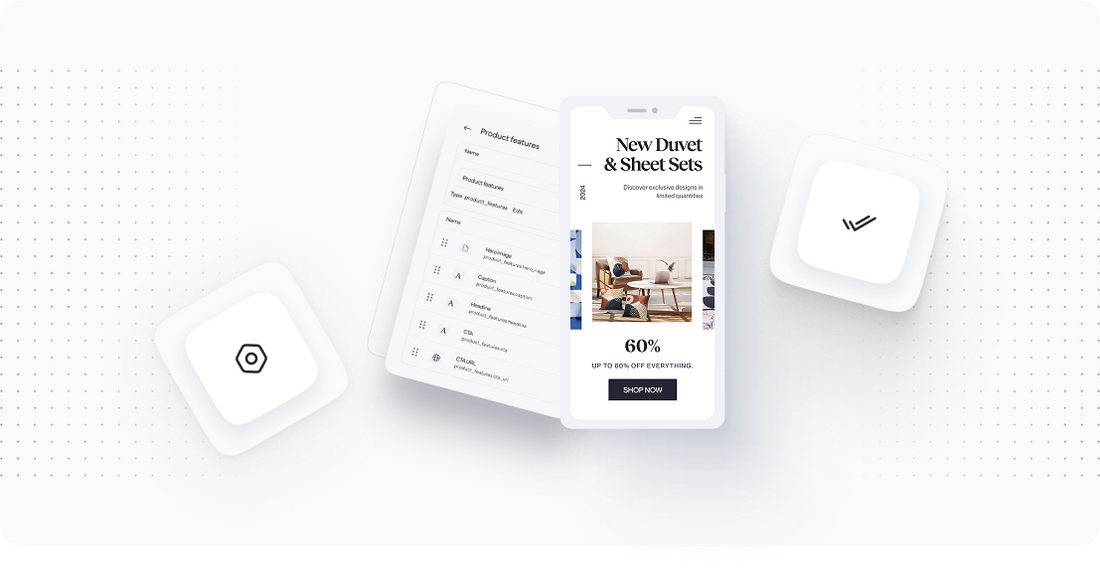
Step 4 focuses on the actual data migration from XpressEngine to Amplience. This is a critical phase where we execute the transfer of all identified data while ensuring that the integrity and relationships of data are maintained throughout the process.
The detailed migration process includes:
- Data Mapping: Create a comprehensive mapping document that outlines how data fields from XpressEngine correspond to the content models set up in Amplience. This ensures that each piece of data is correctly aligned during the migration.
- Migration Execution: Utilize migration tools or scripts to automate the data transfer. We often leverage APIs for bulk data uploads, which can significantly speed up the process. For instance, we might use the
Amplience Content Management APIto facilitate this transfer. - Verification: After the migration, we conduct a thorough verification process to check for data accuracy and completeness. This includes cross-referencing migrated data against the original database to ensure that nothing is missing or misaligned.
- Testing: Perform end-to-end testing to ensure all functionalities, such as product listing, search, and checkout processes, work flawlessly in the new Amplience environment.
This step is crucial for ensuring that the migration does not disrupt your business operations and that all necessary data is fully operational in Amplience.
Step 5: SEO Migration and URL Redirects
SEO is a vital consideration during any migration process, as it directly impacts your site's visibility and traffic. In Step 5, we ensure that all relevant SEO components are migrated to Amplience and that URL structures are preserved or properly redirected.
The SEO migration process includes:
- SEO Metadata Migration: Migrate essential SEO elements such as meta titles, descriptions, and keywords from your XpressEngine site to Amplience. This data is crucial for maintaining search engine rankings post-migration.
- URL Structure Analysis: Analyze the existing URL structure in XpressEngine and determine how they will translate to the new Amplience setup. We aim to maintain the same URL paths where possible to minimize disruption.
- Setting Up 301 Redirects: For any URLs that change, we implement 301 redirects to guide users and search engines to the new paths. This is essential for preserving link equity and preventing 404 errors.
- Testing Redirects: After setting up the redirects, we thoroughly test each one to ensure that they function correctly and lead users to the intended pages.
By focusing on SEO migration and redirects, we help protect your site's search engine visibility, ensuring a smooth transition without loss of organic traffic.
Step 6: Post-Migration Testing and Quality Assurance
After completing the migration, it is critical to perform thorough post-migration testing to ensure that everything operates as expected in the new Amplience environment. This phase is dedicated to quality assurance, identifying and resolving any issues that may have arisen during the transition.
The testing process involves the following steps:
- Functionality Testing: Verify that all site functionalities, including navigation, search, checkout processes, and payment integrations, are working seamlessly. We simulate user interactions to ensure nothing is broken.
- Data Integrity Checks: Conduct checks to compare the data in Amplience against the original XpressEngine source. This includes verifying product details, customer accounts, order histories, and any other critical information.
- Performance Testing: Assess site speed and performance metrics to ensure that the new setup is optimized for user experience. We utilize tools like Google PageSpeed Insights to evaluate and improve loading times.
- User Acceptance Testing (UAT): Involve key stakeholders in UAT to gather feedback and identify any areas for improvement before going live. This collaborative approach helps ensure that the site meets business requirements.
By conducting these rigorous tests, we ensure a high-quality migration that meets both operational and customer expectations.
Step 7: Go Live and Monitoring
The final step in our migration process involves launching your new Amplience site and closely monitoring its performance. This phase is critical to ensure that the transition from XpressEngine is successful and that users experience minimal disruption.
The go-live process includes the following actions:
- Final Review: Conduct one last review of all settings, configurations, and data to confirm everything is ready for launch. This includes double-checking SEO settings and ensuring all redirects are in place.
- Launch: Switch over DNS settings to point to the new Amplience site, making it live for all users. This step requires careful timing to minimize downtime.
- Monitoring: After launch, we actively monitor the site for any issues that may arise, such as broken links, performance slowdowns, or user feedback. Tools like Google Analytics and server logs are utilized for real-time tracking.
- Post-Launch Support: Provide ongoing support to address any immediate concerns or technical glitches that users may encounter post-launch. This ensures a smooth transition and helps build trust with your customers.
By executing a well-coordinated launch and monitoring process, we ensure that your Amplience site is not only live but also optimized for performance and user satisfaction.
Power Your Step - Get in Touch
If you are ready to take the next step in your ecommerce journey, we at PowerCommerce are here to help. Our team of experts specializes in seamless migrations from XpressEngine to Amplience, ensuring that your transition is smooth and efficient. We understand the complexities involved in migrating your ecommerce platform, and we are committed to providing you with the support you need every step of the way.
Contact us today to explore how we can assist you:
- Visit our contact page: https://powercommerce.com/contact
- Call us directly at: 800-099-9090
- Email us at: [email protected]
Let us help you empower your ecommerce business with the cutting-edge solutions that PowerCommerce offers. Don’t wait--reach out to us now!

Unlock dedicated support to shape an incredible future with solutions crafted for scale and innovation.
Let's WorkStay aligned on what's happening in the commerce world


Trusted by 1000+ innovative companies worldwide
Schedule Your Migration Today
For businesses prioritizing simplicity, scalability, and robust support, Shopify is the clear winner.
Looking to migrate without hassle? Power Commerce can handle the entire process, ensuring smooth data transfer, store setup, and post-launch success.
Marka Marulića 2, Sarajevo, 71000 BiH
[email protected]