






Drupal commerce to Shoper
Migrating your store from Drupal commerce to Shoper might seem daunting, but with proper planning and the right tools, it's a smooth process. Follow this step-by-step guide to ensure a successful transition.
Schedule a call
Step-by-Step Migration Guide: Drupal Commerce to Shoper migration guide
Step 1: Pre-Migration Assessment and Planning
In this initial step, we conduct a comprehensive assessment of your current Drupal Commerce setup to identify critical components for migration, ensuring all essential data is accounted for.
Step 2: Data Backup and Export
In this step, we ensure that all data from your Drupal Commerce site is backed up securely and exported in a format compatible with Shoper.
Step 3: Setting Up Your Shoper Account
Before migrating, we set up a new Shoper account and configure essential settings to prepare for data import.
Step 4: Data Migration
In this step, we carefully import the exported data from Drupal Commerce into your new Shoper account, ensuring data integrity and accuracy.
Step 5: Testing the New Store
Once the data migration is complete, we conduct thorough testing to ensure all functionalities work as expected.
Step 6: SEO Migration and Optimization
In this step, we focus on migrating SEO settings and optimizing the new store to maintain existing rankings and improve visibility.
Step 7: Launch and Post-Migration Support
In the final step, we launch your new Shoper store and provide ongoing support to ensure everything runs smoothly post-migration.
Power Your Step - Get in Touch
Ready to migrate to Shoper? Contact us for expert support and seamless migration solutions tailored to your business needs.
Step 1: Pre-Migration Assessment and Planning
Objective: Before starting any migration, it is crucial to assess your current ecommerce setup on Drupal Commerce. This assessment helps us identify the components that need to be migrated and plan the migration process efficiently.
We will evaluate your existing store's structure, including product categories, customer data, order history, and any custom functionalities that are critical to your operations. This phase is essential to avoid data loss and ensure a smooth transition to Shoper.
- Evaluate Current Data: Identify all data that needs to be migrated, including products, customers, orders, and any other relevant information.
- Assess Custom Features: Determine if there are any custom modules or functionalities that need to be replicated on Shoper.
- Plan Migration Timeline: Establish a timeline for migration that minimizes downtime and disruption to your business operations.
During this phase, we also address technical considerations such as compatibility issues, security measures, and the potential impact on SEO during the migration process. We recommend documenting your current configurations and settings to facilitate a smoother transition.
Best Practices:
- Conduct a full backup of your Drupal Commerce site.
- Use tools such as analytics to understand which products and categories are most important to your business.
- Engage stakeholders to gather feedback on essential features and functionalities.
With a detailed assessment and migration plan in place, we can strategically approach the next steps with confidence.
Step 2: Data Backup and Export
Objective: Safeguarding your existing data is paramount before initiating the migration. This step involves creating a comprehensive backup of your Drupal Commerce site and exporting data in a format that Shoper can accept.
We'll utilize Drupal's built-in tools to create a secure backup, ensuring that all critical data is preserved in case of any issues during migration.
- Backup Your Site: Use the backup modules available in Drupal Commerce to create a full backup of your database and files. This should include:
- Database (customer data, orders, products)
- Media files (images, videos)
- Configuration files (settings, custom modules)
- Export Data: Utilize modules such as Views Data Export or the Migrate module to export the necessary data into CSV or XML formats that Shoper supports.
- Verify Data Integrity: After exporting, check the exported files for completeness and accuracy to ensure all required data is included.
Technical Considerations:
- Ensure that you have the necessary permissions to access and export all required data from your Drupal Commerce site.
- Confirm that your CSV or XML files adhere to the structure expected by Shoper to avoid issues during import.
By taking these precautions and steps, we can minimize risk and ensure that we have reliable data for the next phase of migration.
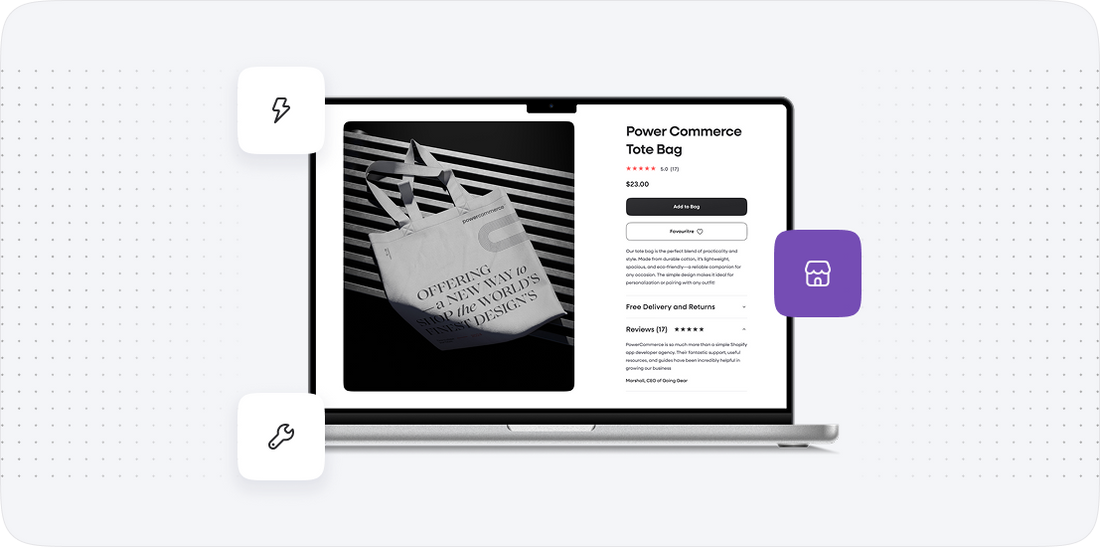
Step 3: Setting Up Your Shoper Account
Objective: To ensure a successful migration, we need to set up your Shoper account and configure essential settings tailored to your business needs.
During this phase, we will create your new Shoper account and walk through the initial configuration to align it with your business objectives.
- Create Your Shoper Account: Go to the Shoper website and sign up for an account. Choose a plan that suits your business size and anticipated growth.
- Configure Basic Settings: Set up your store's name, currency, and language preferences in the Shoper dashboard.
- Design Your Store: Utilize Shoper’s intuitive design tools to begin crafting your store layout, incorporating your branding elements such as logo, color scheme, and fonts.
- Set Up Payment and Shipping: Integrate payment gateways and shipping providers that you will use with Shoper, ensuring a smooth checkout experience for your customers.
Best Practices:
- Familiarize yourself with Shoper's dashboard and key features through their tutorials and documentation.
- Choose a responsive theme that aligns with your brand identity and enhances user experience.
- Ensure that the payment gateways selected are compatible with your business needs and customer preferences.
With your Shoper account ready, we are poised to proceed to the actual data migration.
Step 4: Data Migration
Objective: This step focuses on the actual migration process, where we import the data from the exported files into your new Shoper account.
We will use Shoper's data import tools to facilitate a seamless transfer while ensuring all data is accurately mapped to the new system.
- Prepare Data for Import: Review the exported CSV or XML files and ensure they are formatted correctly according to Shoper's import requirements.
- Utilize Shoper’s Import Tools: Access the import tool in your Shoper dashboard, and follow the prompts to upload your CSV or XML files. Ensure that:
- Product details (name, description, price, images) are correctly aligned with Shoper’s product fields.
- Customer data (name, email, address) is properly mapped to Shoper’s customer fields.
- Order history is imported accurately to retain customer purchase records.
- Run Import: Execute the import process and monitor for any errors or discrepancies during the transfer.
- Verify Imported Data: After the import is complete, check the data in Shoper to confirm that all information has been transferred correctly and is functioning as expected.
Technical Considerations:
- Be mindful of data limits imposed by Shoper on the number of products or orders that can be imported at once.
- Ensure that any custom fields from Drupal Commerce are addressed and correctly integrated within Shoper.
Following this step, we ensure that your data is accurately migrated, setting the stage for a thorough testing phase.
Step 5: Testing the New Store
Objective: After the data migration, it is crucial to test the new Shoper store to confirm that all functionalities are operational and data integrity is maintained.
This testing phase allows us to identify any potential issues before fully launching the new store.
- Functionality Testing: Test all essential functionalities, including:
- Product display and details
- Shopping cart and checkout process
- Payment processing and confirmation emails
- Data Integrity Testing: Verify that all products, customer data, and order history are accurately reflected in the new system.
- Performance Testing: Conduct tests to ensure the site loads quickly and efficiently, even under peak traffic conditions.
- User Experience Testing: Navigate the site as a customer would to identify any usability issues or obstacles.
Technical Considerations:
- Utilize automated testing tools where applicable to streamline the testing process.
- Involve team members from different departments to gain diverse feedback on the store's performance.
By thoroughly testing the new store, we can ensure that it is ready for launch and meets the expectations of both the business and its customers.
Step 6: SEO Migration and Optimization
Objective: To ensure that the new Shoper store retains its search engine rankings and is optimized for better visibility, we will carefully migrate SEO settings and implement best practices.
This step is vital to prevent loss of organic traffic and maintain customer acquisition through search engines.
- Migrate SEO URL Structures: Ensure that URL structures from your Drupal Commerce site are replicated in Shoper to preserve existing SEO rankings.
- Set Up Redirects: Implement 301 redirects from old URLs to new URLs to maintain search engine authority and user experience.
- Update Meta Tags: Review and update all meta titles, descriptions, and alt tags for images to align with SEO best practices.
- Submit Updated Sitemap: Generate a new XML sitemap in Shoper and submit it to search engines to inform them of the new structure.
Technical Considerations:
- Utilize SEO tools to analyze the performance of the new store and identify areas for improvement.
- Monitor search engine rankings and traffic after launch to address any potential drops in performance.
With a strong focus on SEO migration and optimization, we can enhance the visibility of your new store while maintaining its existing authority.
Step 7: Launch and Post-Migration Support
Objective: After thorough testing and optimization, we are ready to launch your new Shoper store, ensuring that everything is operational and ready for customers.
This final step also includes providing support to address any issues that may arise immediately after launch.
- Launch the Store: Officially launch your Shoper store, making it accessible to customers.
- Monitor Performance: Closely monitor the store's performance in the first few days post-launch, checking for any technical issues or customer feedback.
- Provide Ongoing Support: Offer support to address any challenges faced by customers or the business, ensuring a smooth transition to the new platform.
- Gather Feedback: Solicit feedback from customers and stakeholders to identify areas for further improvement and optimization.
Technical Considerations:
- Ensure that all systems are in place for order fulfillment, customer service, and other operational processes.
- Maintain open communication with the team and customers to quickly address any issues post-launch.
With the successful launch of your new Shoper store, we are committed to supporting you as you grow and adapt in the digital commerce landscape.
Power Your Step - Get in Touch
Power Your Step - Get in Touch: At PowerCommerce, we are dedicated to making your migration from Drupal Commerce to Shoper as smooth and efficient as possible. Our team of experts is equipped to handle every aspect of your migration, ensuring that you minimize downtime and maximize performance.
Don’t wait to take your ecommerce business to the next level. Contact us today!
- Visit our contact page to fill out our form.
- Call us directly at 800-099-9090 for immediate assistance.
- Email us at [email protected] to schedule a consultation.
Join the countless businesses that have successfully transitioned with our help. We care about your success!

Unlock dedicated support to shape an incredible future with solutions crafted for scale and innovation.
Let's WorkStay aligned on what's happening in the commerce world


Trusted by 1000+ innovative companies worldwide
Schedule Your Migration Today
For businesses prioritizing simplicity, scalability, and robust support, Shopify is the clear winner.
Looking to migrate without hassle? Power Commerce can handle the entire process, ensuring smooth data transfer, store setup, and post-launch success.
Marka Marulića 2, Sarajevo, 71000 BiH
[email protected]